


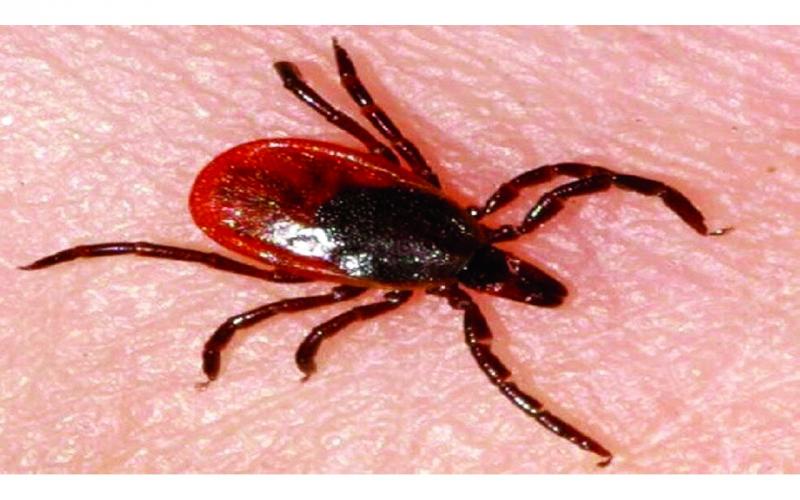
Scientists in China have identified a new tick-borne virus, previously unknown, that can cause flu-like symptoms, fatigue, and gastrointestinal issues, according to a recent study.
The discovered virus, named "Asian Longhorned Tick Nairovirus" (ALTNV), a member of the Orthonairovirus group, has been found to cause thrombocytopenia (a drop in platelet count) in addition to laboratory indicators of hepatic cell injury or inflammation.
Since 2009, Chinese researchers have been monitoring patients with unusual illnesses, including Severe Fever with Thrombocytopenia Syndrome (SFTS).
Dr. Sharon Nachman, the Chief of Pediatric Infectious Diseases at Stony Brook Children's Hospital in New York, explained: "Thrombocytopenia is a drop in platelet count, so these patients were experiencing bleeding, with a mortality rate of about 30%, which is very high. Hence, they continued to follow these patients."
Many cases were linked to the "Dabeananda virus" (DBV), also known as the virus causing severe fever with thrombocytopenia syndrome, a hemorrhagic fever transmitted by ticks. However, it was not the most prevalent virus among the patients. After extensive blood and virus fragment testing, researchers identified the new ALTNV virus, which is genetically distinct from DBV.
Researchers from the State Key Laboratory of Pathogen and Biosecurity in Beijing found the virus in 10.4% of 3,163 patients exposed to tick bites. Patients infected with both ALTNV and DBV were more prone to respiratory issues and kidney complications, with seven of them (18.4%) dying during the study.
The researchers concluded that "the coexistence of ALTNV and DBV in the same regions, coupled with their shared tick vector, underscores the necessity of enhancing differential diagnosis for infections with these viruses in areas where SFTS is endemic."
Symptoms and Treatment
ALTNV disease can initially resemble the flu, causing fever, muscle aches, fatigue, and sometimes respiratory symptoms.
While ALTNV infection can lead to a drop in platelet count, the study did not link the virus alone to severe bleeding or deaths, as the fatal cases involved patients also infected with DBV.
Due to the overlapping symptoms of tick-borne viruses with many infections, Nachman emphasized the importance of identifying the specific virus, noting that effective antivirals exist for the flu but are unavailable for many tick-borne viruses, including the newly identified one. She explained that supportive care is provided to most patients to help manage symptoms, avoiding the wrong medications, especially antibiotics that work only against bacteria, not viruses.
Preventing Tick Bites
To avoid tick bites, Nachman recommends:
- Wearing long clothing and tucking pants into socks.
- Using insect repellents on skin for adults or on clothing for young children.
- Regularly checking skin to remove any attached ticks, particularly after hiking or beach walking, as longer tick attachment increases infection risk.
The findings were published this week in the New England Journal of Medicine.