


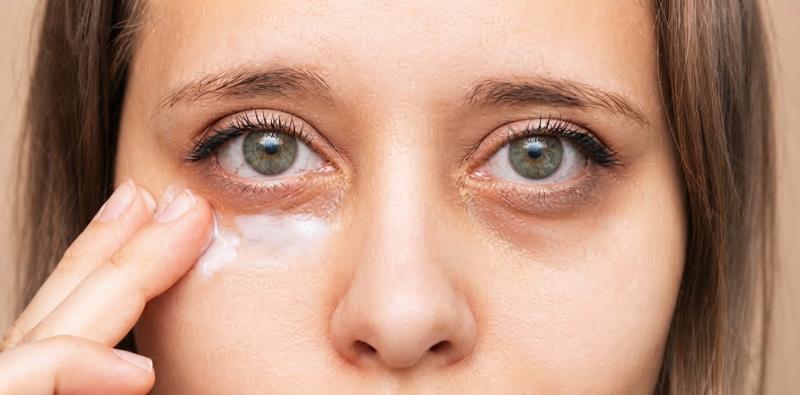
Many women seek ways to permanently eliminate dark circles, especially when they persist despite using eye creams or getting sufficient sleep. The reality is that dark circles are not a single condition with a unified treatment but can result from different factors including heredity, pigmentation, thin skin, under-eye hollows, allergies, and lifestyle elements.
Therefore, achieving a noticeable result begins with identifying the underlying cause rather than trying products at random. Additionally, some cases may require changes in daily habits and proper skin care, while others could benefit from dermatological or cosmetic procedures determined by a doctor based on the nature of the area under the eyes.
Why Do Dark Circles Appear Under the Eyes?
The area around the eyes has thin, sensitive skin, which can make blood vessels, discoloration, wrinkles, and shadows more visible than other parts of the face.
Dark circles can be linked to genetic factors making the skin more translucent or increasing pigmentation in this area. Age advancement can also lead to a loss of fat and volume under the eyes, resulting in hollows that cast shadows making the area appear darker.
Additionally, allergies, frequent eye rubbing, sun exposure, lack of sleep, and stress can make dark circles more pronounced.
How to Get Rid of Dark Circles Permanently by Their Type?
Before choosing a treatment, it is crucial to understand that the appearance and color of dark circles can give initial indications of their cause, but accurate diagnosis requires a medical evaluation if the problem persists or is severe.

1. Dark Circles from Hollows and Shadows
Sometimes the dark color is not from actual pigmentation but from a hollow under the eye or a change in fat distribution with age. Loss of volume in this area can create shadows making the circles more apparent.
In such cases, lightening creams are not the primary solution, as the issue pertains more to the structure of the area rather than skin color. A dermatologist or cosmetic surgeon can evaluate suitable options, including certain types of hyaluronic acid-based fillers for suitable cases.
Some cases may also benefit from surgical procedures like lower eyelid surgery, especially when the issue is due to fatty bulges or significant changes in eyelid shape. Such procedures should exclusively be performed by a qualified doctor due to the sensitivity of the area and its proximity to the eye.
2. Dark Circles from Pigmentation
If the color is brown or leaning towards brown, increased pigmentation might be a primary cause, potentially linked to UV exposure, frequent rubbing, or hereditary factors.
Here, care focuses on protecting the skin from the sun, reducing friction, and using suitable skin-lightening ingredients. Ingredients such as Vitamin C, retinol, and niacinamide may be included in the skincare routine. However, product choice and concentration are very important as the skin around the eyes is more sensitive than the rest of the face.
In cases that do not respond to home care, certain procedures like specific types of laser or chemical peels suitable for the area might be discussed by a doctor, considering the skin's color and pigmentation degree.
3. Blue or Purple Dark Circles
Dark circles sometimes appear blue or purple due to thin skin and visible blood vessels underneath, becoming more apparent in individuals with thin skin or with fatigue and lack of sleep.
Here, a strong lightening cream is not necessarily the best solution, as the problem is not just increased melanin pigment. Some skincare products containing caffeine may help improve puffiness or fatigue appearance temporarily, but persistent cases need specialized evaluation to determine appropriate options.
4. Dark Circles Related to Allergies
Allergies are a cause that can make the under-eye area appear darker, especially when accompanied by itching and frequent eye rubbing. Regular friction leads to skin irritation and may increase pigmentation over time.
Treating allergies, managing itching, and avoiding eye rubbing can be crucial parts of dealing with this issue. If the circles are related to nasal or eye allergies, it's better to treat the underlying cause in coordination with a doctor rather than relying solely on cosmetic products.
Best Eye Cream Ingredients for Dark Circles
There is no single ingredient that fits all types of dark circles, but options vary by the core issue.
Vitamin C
Used in skincare products to help improve pigmentation appearance and support even skin tone, Vitamin C should be used cautiously around the eye area to avoid irritation.
Retinol
Retinol can aid in improving skin appearance, supporting its renewal, and stimulating collagen with regular use, but it may cause dryness and irritation. Thus, eye-specific formulations and suitable concentrations should be used.
Niacinamide
Common in skincare products, niacinamide may help improve pigmentation appearance and support the skin barrier, often a gentler option compared to some other active ingredients.
Caffeine
Caffeine is included in many eye creams designed to address puffiness and fatigue appearance. Its cosmetic effect is often temporary, and it should not be considered a definitive treatment for all dark circle types.
Does Sleep Cure Dark Circles?
Getting enough sleep is vital for skin health and the overall appearance of the eyes. It may help reduce the tired look and puffiness that make dark circles more visible, but sleep alone cannot remove dark circles caused by heredity, pigmentation, or structural hollows.
Therefore, viewing sleep as part of the plan rather than a single remedy is better. Organizing sleep schedules and reducing stress can help improve the under-eye area's appearance in people whose circles increase with exhaustion.

Is Sunscreen Important for Treating Dark Circles?
Yes, protecting the area around the eyes from UV rays is essential, especially when pigmentation is one of the underlying issues. Frequent sun exposure can increase pigmentation and exacerbate some signs of skin aging.
Therefore, an appropriate face sunscreen should be used while avoiding direct eye contact. Sunglasses and hats can also be additional means to reduce direct sun exposure.
Daily Habits to Improve Dark Circles Appearance
Avoid Eye Rubbing
Constantly rubbing the eyes is a habit that can aggravate irritation in the sensitive area, so itching or allergies should be managed rather than rubbing the skin.
Get Regular Sleep
Regular sleep helps reduce the appearance of fatigue and puffiness, even if not capable of eliminating structural or hereditary underlying dark circles.
Maintain Skin Hydration
Dry skin can make fine lines more apparent, so using a gentle moisturizer suitable for the eye area helps maintain the skin barrier and reduce dryness.
Follow a Balanced Diet
Getting essential nutrients is vital for skin and body health overall. If other symptoms like persistent fatigue or paleness exist, discussing it with a doctor rather than taking random supplements might be beneficial.
When Do Dark Circles Need a Doctor?
If dark circles appear suddenly, are severe, or are accompanied by other symptoms, it’s best to consult a doctor to determine the cause. Medical evaluation is also advised when the problem persists despite improving sleep and skincare or is related to apparent pigmentation or changes in the under-eye area shape.
Specialist consultation becomes more important before using strong treatments or undergoing laser, peeling, or injections, given the sensitivity of the area around the eyes which requires choosing the right procedure for each case.
Can Dark Circles Be Permanently Eliminated?
The answer depends on the cause. Some types of dark circles can be significantly improved when addressing the causal factor, while those related to heredity, face shape, or volume loss are more likely to persist and need long-term management.
Moreover, multiple causes might overlap in the same person, such as slight pigmentation combined with an under-eye hollow and lack of sleep. Therefore, the best results usually come from combining appropriate daily care with targeted treatment when necessary.
In conclusion, there is no magic formula that definitively answers the question of how to permanently get rid of dark circles for everyone, as the causes and nature of dark circles vary from person to person.
The fundamental solution might be treating allergies and preventing eye rubbing, while other cases might need effective ingredients for pigmentation care or medical procedures to address hollows and shadows.
See Also
Do fewer vaginal secretions indicate a health problem?
Why do vaginal secretions increase before a menstrual cycle?