


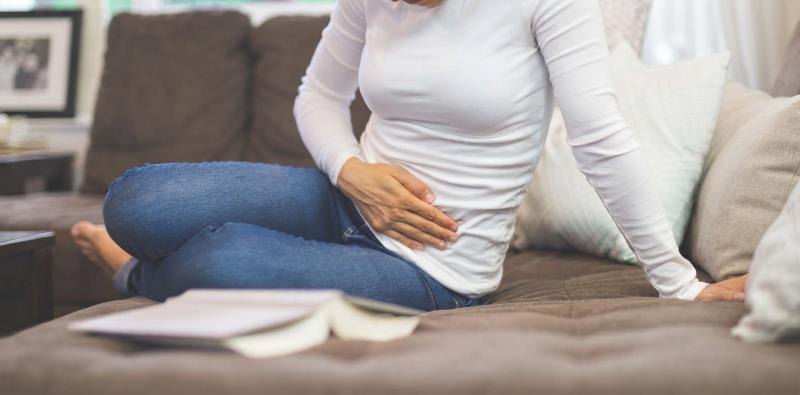
Pain after urination can vary based on the source of the problem. If the discomfort is felt within the bladder or lower abdomen, it may be related to the urinary system. Burning sensations on the skin or around the vaginal opening might indicate irritation or inflammation of external tissues.
Recognizing the location and nature of the pain aids doctors in determining appropriate tests, especially if accompanied by changes in urine or vaginal discharge.
Causes of Post-Urination Pain in Women
1. Urinary Tract Infection (UTI)
UTIs are common causes of pain and burning during or after urination in women, often due to bacteria entering the urethra and multiplying in the urinary system. Other symptoms may include frequent urination, a strong urge to urinate, small urine amounts, pressure or pain in the lower abdomen, or changes in urine odor and appearance.
Untreated, the infection could reach the kidneys, making prompt medical attention critical.

2. Vaginal Infections
Burning may also originate outside the urinary tract, as vaginal infections can irritate tissues near the urine opening, often more noticeable when urine contacts inflamed areas. Additional symptoms include itching, redness, irritation, and changes in discharge color, consistency, or odor.
3. Sexually Transmitted Diseases (STDs)
STDs such as chlamydia, gonorrhea, and trichomoniasis can cause burning or pain during or after urination, particularly affecting the urethra or cervix. Unusual vaginal discharge, painful intercourse, inter-menstrual bleeding, or pelvic pain might accompany these infections, warranting specific testing if symptoms arise post-unprotected sex.
4. Vaginal Dryness & Hormonal Changes
Lower estrogen levels can increase vaginal dryness, thinning tissues in the vagina and urethra, resulting in painful urination or a burning sensation. This is particularly evident in women post-menopause but can occur during other hormone-affected periods like postpartum or breastfeeding. Symptoms may include itching, irritation, or painful intercourse.
5. Irritation from Scented Products
Sometimes, irritants from scented soaps, douches, sprays, wipes, or sanitary products cause tissue irritation, leading to a burning sensation when urine passes over. This irritation is not necessarily due to an infection.
6. Kidney or Bladder Stones
Urinary stones moving towards the urethra can cause pain during or post-urination, with symptoms varying based on location and size. Severe pain may occur on one side, in the back, or extend to the lower abdomen, potentially with blood in urine, needing medical evaluation for stones or other issues.
Differentiating between UTI and Vaginal Infection
Some symptoms overlap, but distinct signs help differentiate the two conditions. UTI might cause frequent urination, urgency, lower abdominal pain, and urine changes, whereas external burning with itching, redness, or discharge changes suggests a vaginal cause. Sometimes, multiple issues coexist, requiring more than symptom evaluation alone.
When to See a Doctor for Post-Urination Pain?
Temporary, mild pain might resolve itself, but persistent symptoms need medical attention, notably with:
-Visible or pink/red urine.
-Fever or chills.
-Severe back pain, especially near the kidneys.
-Intensifying lower abdominal or pelvic pain.
-Persistent burning or pain over several days without improvement.
-Unusual, strong-smelling vaginal discharge.
-Painful intercourse or unexpected bleeding.
-Symptoms during pregnancy, as UTIs require careful assessment and treatment.

Diagnosing Post-Urination Pain Causes
Diagnosis relies on symptoms, medical history, and exams, possibly requiring urine analysis or culture for UTIs. Vaginal symptoms might need specific testing for infections or STDs. Suspected stones may prompt imaging tests, emphasizing accurate diagnosis over self-treatment with antibiotics or vaginal medications.
Tips for Discomfort Relief and Prevention
Simple measures can reduce irritation and maintain urinary and reproductive health:
-Drink adequate water unless medically contraindicated.
-Avoid long urination delays.
-Steer clear of internal douches and scented products in sensitive areas.
-Keep the external area dry and clean without excessive cleansing.
-Wear breathable, comfortable underwear.
-Post-intercourse urination may lower UTI risk for some women.
-Suspected STDs require suitable tests and adherence to medical guidance for treatment and sexual relations.
In conclusion, although UTIs are common causes of post-urination pain in women, they are not the sole reason. Vaginal infections, STDs, hormonal changes, chemical irritants, and urinary stones can trigger similar symptoms. Identifying pain location and accompanying symptoms helps determine the cause, but persistent pain warrants a medical evaluation instead of self-treatment. Fever, chills, visible blood in urine, or severe pain in the back or pelvis necessitate swift medical attention.
See Also
Green Vaginal Discharges: Causes and When to Visit a Doctor?