


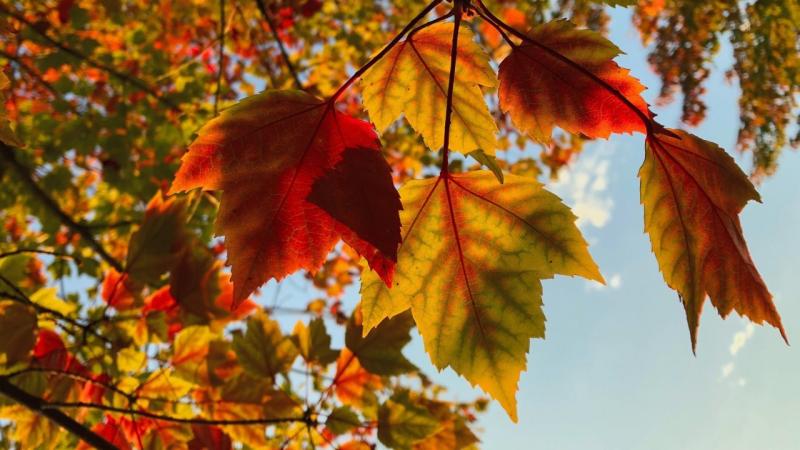
Autumn 2026 is set to start astronomically on September 23 at the fall equinox based on Universal Time. This event marks the onset of fall in the Northern Hemisphere.
In 2026, the equinox occurs at 00:05 UTC, which means that for some regions west of the Greenwich Meridian, the local date might still be September 22.
The exact date marking the beginning of fall can vary slightly each year, and the perceived local date will differ depending on the time zone. According to the meteorological calendar, autumn begins on September 1 and extends through the end of November, serving as a useful framework for weather and climate statistics.
Astronomically, fall continues until the winter solstice in December 2026, which is when winter begins in the Northern Hemisphere.
What is the Fall Equinox?
The fall equinox is an astronomical event where the sun crosses the celestial equator from the northern to the southern hemisphere.
This event is linked to Earth's orbit around the sun and its axial tilt. It is one of two equinoxes occurring annually, along with the spring equinox.
The fall equinox signifies the astronomical start of fall in the Northern Hemisphere and the beginning of spring in the Southern Hemisphere.
The term 'equinox' is derived from the equal length of day and night at this time, though they aren't perfectly equal everywhere on the equinox itself due to atmospheric and optical factors.
Why Does the Fall Equinox Occur?
The changing of seasons is linked to Earth's axial tilt as it orbits the sun. Earth's axis is not perpendicular to its orbital plane, leading to varying sunlight distribution across its hemispheres throughout the year.
When Earth reaches the fall equinox, sunlight focuses more intently on the equator. As a result, the Northern Hemisphere gradually receives less sunlight, a shift from the abundance experienced in summer.
Therefore, fall is not merely a drop in temperature but a result of a cyclic astronomical process affecting light across the planet.
How Do Day and Night Lengths Change in Fall?
One noticeable seasonal change in fall is the gradual shortening of daylight and lengthening of nighttime hours in the Northern Hemisphere.
Before the fall equinox, daytime is longer than nighttime across most northern areas. Post-equinox, nighttime hours increase while daylight diminishes, continuing until the winter solstice, which brings the year's shortest day and longest night in many northern locations.
Conversely, in the Southern Hemisphere, spring begins, and daylight hours progressively increase.

Is Day and Night Equal During the Fall Equinox?
Although the equinox implies equal day and night durations, they are not perfectly equal everywhere on the equinox day due to astronomical factors.
Refraction of sunlight in the atmosphere and the sun’s apparent size cause daylight to last slightly longer than the time the sun’s center is below the horizon.
Hence, the actual day when day and night are roughly equal might occur a few days before or after the equinox, varying by geographic location.
What Happens to Nature During Fall?
Fall serves as the transitional phase between summer and winter, inducing a series of noticeable environmental changes.
Among the most evident changes is the color transformation of tree leaves in regions with distinct seasonal shifts. As temperatures fall and trees slow down, chlorophyll—which grants leaves their green hue—breaks down, revealing pigments that produce yellow, orange, red, and brown shades.
Many areas also experience a gradual temperature drop, with mornings and evenings becoming chillier and sunsets occurring earlier than in summer.
Why Do Leaves Change Color in Fall?
During summer, leaves are chlorophyll-rich, granting them the green color necessary for photosynthesis, the energy-producing process for plants.
As fall approaches, reduced daylight and temperature cause chlorophyll production to wane and the pigment to degrade.
With most green dissipated, other pigments become visible, displaying the typical fall colors of yellow, orange, red, and brown.
The intensity of autumn colors varies by tree type and weather conditions preceding and during the season.
How Does Weather Change During Fall?
Fall is generally a transition between summer heat and winter chill, with no constant temperature throughout the season.
Initially, warm conditions might linger in many areas, followed by a gradual cooling as the season progresses.
As nights lengthen and days shorten, some regions may encounter more volatile weather as winter nears.
Weather patterns vary significantly based on geographic location, elevation, and proximity to water bodies, so the astronomical start of fall isn't a fixed sign of cooling worldwide.
When Does Fall 2026 End?
In the Northern Hemisphere, fall ends astronomically at the winter solstice in December 2026, marking the start of the astronomical winter.
For 2026, the winter solstice will occur on December 21 based on Universal Time, commencing the Northern Hemisphere's astronomical winter and the Southern Hemisphere's summer.
What's the Difference Between Astronomical and Meteorological Fall?
The primary difference lies in how the season's start is determined.
Astronomical fall begins at the fall equinox, hence its date varies slightly year-to-year, typically on September 22 or 23 in the Northern Hemisphere.
In contrast, meteorological fall starts on September 1 and concludes on November 30, following full months for simplified weather and climate study comparisons.
Multiple sources might offer different fall starting dates, but they reflect distinct seasonal definitions.
See Also:
Best Travel Destinations in Fall 2026 Around the WorldTop 10 Must-Visit Tourist Spots in LondonHow to Reach Akkar City?