


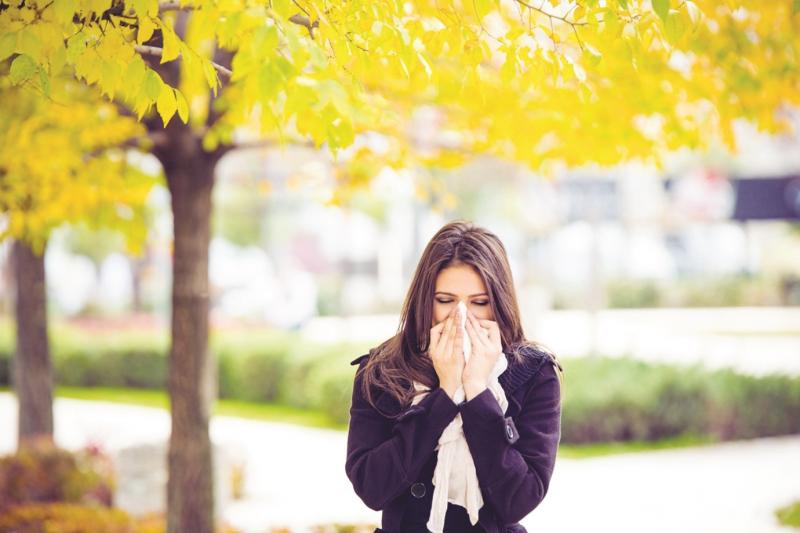
Seasonal allergies in fall are primarily linked to the exposure of the respiratory system to allergens present in the air. When someone prone to allergies inhales these allergens, their immune system perceives them as harmful entities, releasing chemicals such as histamine that trigger allergy symptoms.
Allergen sources vary based on location and climate; however, several factors are commonly associated with fall allergies.
Causes of Seasonal Allergies in Fall
Pollen
Pollen is a major cause of seasonal allergies, with certain plants continuing to release it during the fall, especially those that bloom in late summer and early fall. Ragweed is one of the most prominent fall allergy triggers, dispersing large amounts of pollen into the air. Inhaling these pollens can cause symptoms like sneezing, runny nose, and itchy eyes in sensitive individuals.
Mold
Mold becomes a significant allergen during fall, especially in areas where fallen leaves and damp vegetation collect. Fungi thriving in soil and decayed leaves release mold spores into the air, potentially causing symptoms in those allergic to mold. Spending extended periods in gardens or areas with high humidity and fallen leaves can exacerbate symptoms for some.
Weather and Humidity Changes
While weather changes don't directly cause allergies, they can affect the distribution and intensity of allergens in the environment. Humidity fosters mold growth, and wind can carry pollen and mold spores over distances. Sudden temperature changes might heighten respiratory symptoms in those already susceptible to allergies.
Dust and Dust Mites
As temperatures drop, people spend more time indoors with windows closed, increasing exposure to indoor allergens. Dust mites, found in bedding, carpets, and furniture, are a common indoor allergen, causing symptoms like sneezing and runny nose.
Why Some Experience Worse Allergies in Fall
The severity of allergies varies; this depends on individual immune sensitivities and exposure levels to certain allergens. Some might react to specific pollen or mold, while others do not. The amount of allergens in the environment and weather conditions also affect symptom severity.
Symptoms of Fall Seasonal Allergies
Common symptoms affect the nose, eyes, and upper respiratory tract, including:
- Sneezing
- Runny nose
- Nasal congestion
- Itchy nose or throat
- Itchy, watery, red eyes
- Sinus pressure or congestion
- Cough caused by postnasal drip
Asthma sufferers might experience worsened symptoms upon exposure to certain allergens.
Distinguishing Allergies from Colds
Allergy symptoms can mimic cold symptoms, including sneezing and congestion, but allergies are generally triggered by specific allergens and persist as long as exposure continues. In contrast, colds, caused by viruses, may come with sore throat, fatigue, and fever, making nasal symptoms in fall not solely indicative of allergies.
Preventing Fall Seasonal Allergies
Reducing allergen exposure through simple measures can help, especially for those aware of their specific triggers. Avoid touching the face and eyes post-outdoor exposure, shower and change clothes after spending significant time in pollen-heavy areas, and clean the home regularly to minimize dust accumulation. Keeping damp areas dry can limit mold growth.
When to See a Doctor
While allergy symptoms are annoying, they are usually manageable. Consult a healthcare provider if symptoms are severe, persistent, or affect daily activities and sleep. Breathing difficulties, wheezing, or chest tightness, particularly in asthmatics, require medical evaluation. A doctor can clarify whether symptoms indicate allergies or another condition and may recommend allergy testing.
See Also:
Best Medications for Seasonal Allergies
Why You May Feel Short of Breath: Common CausesHow to Avoid Seasonal Allergies?