


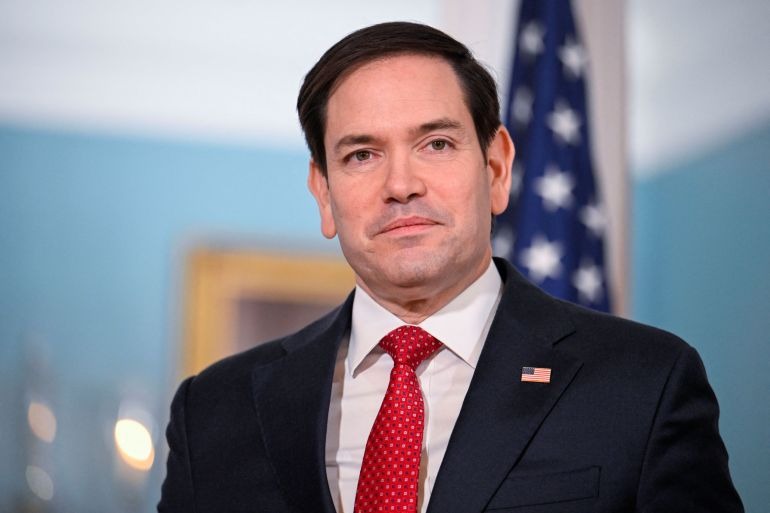
U.S. Secretary of State Marco Rubio emphasized America’s commitment to ensuring freedom of navigation through the Strait of Hormuz in a Tuesday phone call with Oman's Foreign Minister Badr al-Busaidi. The conversation addressed regional escalation and diplomatic efforts to de-escalate tensions.
The U.S. State Department reported that Rubio condemned the recent attacks attributed to Iran, which targeted nations and commercial ships in the area.
Rubio reaffirmed the U.S.'s pledge to prevent Iran from acquiring nuclear weapons amid ongoing military and political tensions in the region.
Focus on the Strait of Hormuz
Rubio highlighted the United States' dedication to maintaining navigation freedom through the Strait of Hormuz, particularly amidst disruptions affecting ship movements in this strategic maritime corridor.
This U.S. stance positions the security of the strait as a primary topic of discussion with regional partners, alongside developments related to Iran and commercial maritime activities.
Oman's Diplomatic Role
In correspondence with the U.S. messages directed at Tehran, Rubio reinforced support for strengthening Washington’s relations with Oman, which plays a diplomatic role in efforts to reduce regional escalations.
According to a statement from the U.S. State Department, the call addressed efforts to contain tensions and support diplomatic actions to resolve outstanding issues and enhance regional security and stability.
The call reflects two parallel U.S. strategies concerning the crisis: emphasizing the protection of navigation and preventing Iran from acquiring nuclear capabilities, while also bolstering diplomatic efforts to defuse tensions.
The discussions with Muscat carry significance given Oman’s traditional role in keeping communication channels open among conflicting parties in the region.