



Collagen is the most abundant protein in the human body, accounting for about a third of total body protein. It acts as the primary structural element that binds cells and tissues together, often referred to as the "natural glue" that provides strength and flexibility.
Collagen is present in several essential tissues, including skin, bones, cartilage, tendons, ligaments, and blood vessels. The body naturally produces this protein, but its production rates decrease gradually with age, affecting skin, joint, and bone health.
Benefits of Collagen for the Body

Enhancing Skin Health
Collagen supports skin elasticity and hydration, helping to reduce wrinkles and fine lines, giving the skin a more youthful and vibrant appearance.
Supporting Joint Health
Collagen is a key component of cartilage that protects joints and prevents bones from rubbing together, potentially reducing joint pain, stiffness, and improving mobility and flexibility, especially with age.
Strengthening Bones
Collagen is crucial for maintaining bone structure and strength. Its decreased production can make bones more prone to weakness and fragility.
Enhancing Hair and Nail Health
Collagen helps in strengthening hair and improving its structure, potentially reducing breakage and loss. It also supports nail growth and prevents brittleness and splitting.
Promoting Heart and Vascular Health
Collagen contributes to forming walls of arteries and blood vessels, aiding in maintaining their flexibility and efficient blood circulation throughout the body.
Why Does Collagen Production Decrease with Age?
Collagen production naturally declines with age, though some factors can accelerate this process, such as:
-Smoking.
-Excessive sun exposure.
-Poor nutrition.
-Lack of sleep.
-Chronic stress.
-Excess intake of processed sugars.
On the other hand, a healthy lifestyle can help maintain collagen levels longer.
How to Boost Collagen Production
Consume Protein-Rich Foods
The body needs amino acids to build collagen; thus, it is recommended to eat healthy protein sources like chicken, fish, eggs, and lean meats.
Increase Vitamin C Intake
Vitamin C is crucial for collagen production within the body, available from oranges, lemons, strawberries, kiwis, and bell peppers.
Consume Bone Broth
Bone broth is a popular natural dietary source that contains compounds supporting collagen production.
Use Collagen Supplements
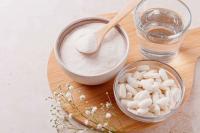
Collagen supplements are available in powder or capsule form and often contain collagen peptides that the body readily absorbs.
Are Collagen Supplements Effective?
Studies suggest that collagen supplements may help improve skin elasticity and reduce wrinkles, supporting joint health for some individuals. However, results can vary depending on age, diet, and general health.
Therefore, it is best to prioritize a balanced diet and healthy lifestyle, consulting a healthcare provider before starting any supplement.
In conclusion, collagen is a vital protein for maintaining skin, joint, bone, hair, and vascular health. But levels naturally decline with age.
Thus, focusing on a healthy diet and nutrients that support collagen production is necessary for sustaining health and vitality.
See Also