



The color of menstrual blood doesn't remain constant throughout the menstrual period. It can change daily depending on the amount of bleeding and the speed at which blood exits the body. Observing color variations during menstruation is common and generally natural.
Moreover, understanding the different colors of menstrual blood can differentiate between natural changes and signs that may require a medical consultation. Some colors simply indicate the age of the blood and its exposure to oxygen, while others may signify infections or health issues needing evaluation.
Why Does the Color of Menstrual Blood Vary?
The color mainly depends on how quickly the blood flows from the uterus. Fast bleeding results in bright red blood, while longer presence in the uterus or vagina leads to oxidation, turning the blood darker, like dark red or brown.
The shade can also be affected by factors such as the amount of blood lost, hormonal changes, the age of the blood, and its mixing with natural vaginal secretions. This is why a woman may observe multiple colors during the same cycle, which is usually not a cause for concern.
Natural Colors of Menstrual Blood

Bright Red
Bright red is among the most common natural colors during the initial days of menstruation. This color indicates fresh blood with a fast and steady flow, often seen during heavy bleeding days.
Additionally, this signifies blood exiting directly from the uterus without staying long enough to oxidize or change color.
Dark Red or Burgundy
Dark red appears when blood stays slightly longer in the uterus or vagina before exiting. It's often seen in the morning after waking up or when the flow slows compared to the start of the cycle.
This color typically doesn't indicate any health issue; it's a natural part of menstrual changes.
Brown
Brown is a very common natural color during menstruation, resulting from blood oxidation due to its longer presence in the body before exiting.
Brown blood often appears at the beginning as remnants of the previous cycle or in the last days when the flow becomes lighter and slower. Its occurrence alone is not alarming.
Black
Although it might seem concerning initially, black often represents old blood that has undergone significant oxidation. It typically appears at the end of the cycle or when blood flow slows significantly.
Moreover, brief occurrences of black without other symptoms generally don't imply a health problem.
Pink
Pink appears when blood mixes with ordinary vaginal secretions, often noticed at the start or end of the cycle when blood quantity is minimal.
It might also appear during very light bleeding or when minor hormonal changes affect blood flow intensity.
Abnormal Colors Requiring Attention
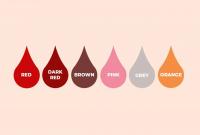
Gray
Gray is an unusual color for menstrual blood, possibly linked to bacterial infections in the vagina or infections needing diagnosis and treatment. Consulting a doctor is essential if gray appears with abnormal discharge, foul odor, or vaginal itching.
Orange
Orange may result from blood mixing with discharge from infection or inflammation in the reproductive system. While it doesn't always indicate a severe issue, persistent occurrence or accompanying bothersome symptoms warrants a medical check-up. A medical exam can identify the cause and provide appropriate treatment if needed.
Are Blood Clots During Menstruation Normal?
Some women notice clots or blood clots during menstruation, especially on heavy days. In most cases, these clots are normal if they're small and infrequent.
However, if clots are large, frequent, or associated with very heavy bleeding, consulting a doctor might be necessary to determine the cause and ensure no underlying health issues exist.
When to See a Doctor?
While color changes alone are often not worrying, accompanying symptoms might need medical evaluation.
Signs Requiring Medical Consultation
- Unusually strong or unpleasant odor.
- Vaginal itch or burning sensation.
- Large, frequent blood clots.
- Notable increase in bleeding compared to previous cycles.
- Severe or persistent pelvic pain.
- Prolonged presence of abnormal color.
Moreover, early medical attention aids in detecting and treating any gynecological infections or disorders before they escalate.
Tips for Monitoring Menstrual Health
Paying attention to menstrual patterns helps identify new changes early. Recording cycle dates, duration, bleeding intensity, and symptoms is advised.
Maintaining personal hygiene, a healthy lifestyle, and regular gynecological exams supports reproductive health and ensures everything proceeds naturally.
In conclusion, bright red, dark red, brown, black, and pink can be natural depending on the cycle phase and blood flow speed. In contrast, unusual colors like gray or orange may deserve more attention, especially if accompanied by bothersome symptoms.
Understanding menstrual blood colors aids in ensuring reproductive health and deciding on medical consultations when necessary.
See Also
Signs of Hormonal Imbalance in Women