


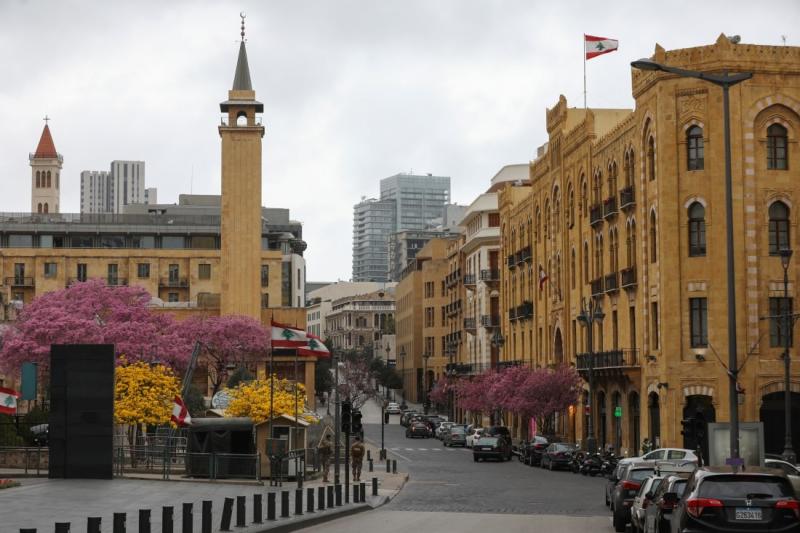
Lebanese cities serve as vital centers, forming the backbone of the country's economy, administration, and culture. Despite Lebanon’s small size compared to many Arab countries, it boasts several large cities that attract hundreds of thousands of residents and play crucial roles across various sectors.
The cities in Lebanon are distinguished by their geographical and cultural diversity, spread across the coast, mountains, and interior plains. Each city has its unique identity reflecting the region's history and socio-economic importance, making them key hubs for both residents and visitors.
How Is the Population Distributed Among Lebanese Cities?
A significant portion of Lebanon's population is concentrated in major coastal cities, particularly Beirut, Tripoli, Sidon, and Tyre, due to economic activity and the availability of jobs and essential services. Meanwhile, inland cities are experiencing population growth due to urban expansion and infrastructure development.
Furthermore, internal migration from villages and rural areas to cities has increased population density in urban centers over the past decades.
Lebanon’s Largest Cities by Population
1. Beirut
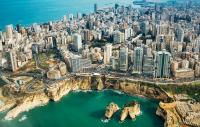
Beirut is the largest and most densely populated city in Lebanon, with its metropolitan area housing approximately 1.8 to 2.4 million people. Strategically located on the eastern coast of the Mediterranean Sea, Beirut has been a center of trade and culture for centuries.
As the political and economic capital, it houses main government institutions, financial centers, major universities, and vital ports. It is also Lebanon’s primary destination for business, tourism, and services.
2. Tripoli
Tripoli ranks as the second-largest city in Lebanon, with an estimated population between 375,000 and 500,000 within its urban scope. Located about 85 kilometers north of Beirut, it boasts a rich historical heritage with castles, markets, caravansaries, and Mamluk mosques.
Additionally, Tripoli serves as a significant economic center for northern Lebanon and a prominent Mediterranean trading port.
3. Sidon
Sidon is the third-largest Lebanese city by population, ranging from 160,000 to 230,000 inhabitants. Situated on Lebanon’s southern coast, it is known for its ancient Phoenician history spanning thousands of years.
Moreover, Sidon plays a vital economic role as a commercial hub linking southern regions to Lebanon's coast, featuring various historic landmarks and famous marketplaces.
4. Tyre
Tyre ranks fourth among Lebanon's largest cities by population, estimated between 60,000 and 135,000 depending on the geographic scope considered. Located at the southernmost end of Lebanon’s coastline, Tyre is one of the Middle East's most historically significant cities.
Famous for its unique Phoenician and Roman ruins, Tyre is a UNESCO World Heritage site, making it a prominent touristic and cultural destination.
5. Nabatieh
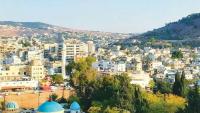
Nabatieh is the fifth-largest city in Lebanon, with a population estimated between 50,000 and 120,000, including surrounding urban clusters. Positioned in southern inland Lebanon, Nabatieh is the administrative capital of Nabatieh Governorate.
Additionally, it serves as an essential economic and service center, hosting major educational, commercial, and health institutions supporting the neighboring villages and towns.
The Importance of Major Cities in Lebanon’s Economy
Major cities play a pivotal role in supporting the national economy, dominating trade, industrial, and service activities in Lebanon. Beirut stands as the financial and banking sector's hub, whereas Tripoli, Sidon, and Tyre bolster maritime trade, tourism, and regional economic activities.
Furthermore, these cities attract both local and foreign investments due to their relative infrastructure development and services compared to rural areas.
Lebanese Cities and Tourism
The importance of major cities extends beyond the economic sphere, acting as essential pillars of Lebanon’s tourism sector. Beirut is renowned for its vibrant cultural scene, restaurants, and markets. Tripoli draws visitors with its unique Mamluk heritage.
Conversely, Sidon and Tyre appeal to history and archeology enthusiasts due to their ancient castles, ports, and Phoenician and Roman landmarks that still stand today.
Future Population Growth in Lebanese Cities
Lebanon's major cities are expected to continue attracting residents in the coming years because of concentrated job opportunities and services. However, these cities face challenges related to infrastructure, traffic congestion, and providing public services to the growing population.
Therefore, efforts are underway to develop urban projects, improve transportation networks, and enhance services to accommodate expected population growth and achieve more sustainable urban development.
In conclusion, Lebanon’s largest cities by population serve as the economic, cultural, and social heartbeats of the nation. Their geographical and historical diversity mirrors Lebanon’s rich heritage, blending modernity with a deep legacy in a limited geographic space.
See Also
Best Romantic Destinations in Lebanon for Couples