


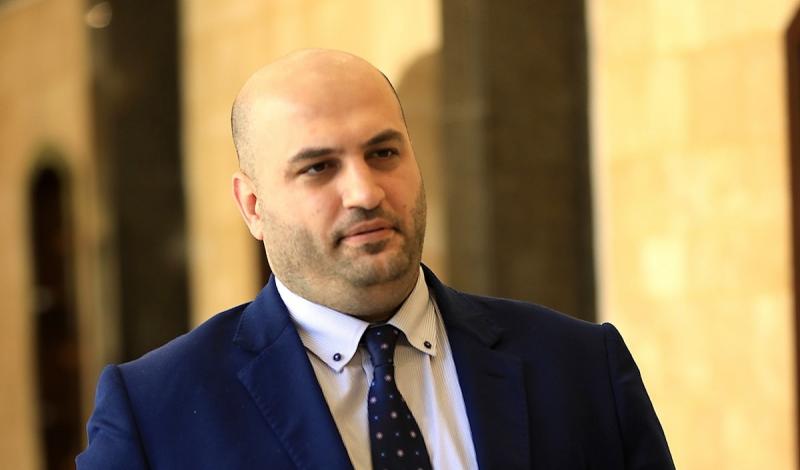
The growing number of attacks on healthcare workers, paramedics, medical facilities, and transport vehicles across various regions has become a central issue. This was highlighted in a recently published correspondence in The Lancet by Dr. Rakan Nasser Al-Din, Minister of Public Health, and Dr. Samar Al-Hajj, a researcher at the American University of Beirut and Director of the MENA PAIR program, titled "When health-care workers become the target in Lebanon."
The correspondence emphasized the severe disruption to Lebanon's healthcare system due to these recurrent assaults, sparking urgent concerns about protecting healthcare under international humanitarian law during armed conflicts.
Patterns of assaults recorded during the 2024 war on Lebanon resurfaced during the 2026 conflict, signaling a distressing ongoing attack on the healthcare system in the country. The negative impacts are not limited to healthcare workers or medical facilities alone but extend across the entire care pathway, including pre-hospital emergency responses, in-hospital treatments, referral systems, rehabilitation, and long-term outpatient care.
As of June 14, 2026, reported incidents included 172 attacks on emergency services, resulting in the deaths of 133 healthcare workers and injuries to 402 others. Additionally, 173 ambulances and 38 health facilities were damaged, reflecting the human cost of conflict and the structural damage inflicted on emergency and life-saving medical care systems.
Minister Nasser Al-Din: Documenting Attacks and Necessity for Protection
Minister Nasser Al-Din confirmed that "protecting healthcare during armed conflicts is a fundamental obligation under international humanitarian law and a public health necessity," stressing the need for "comprehensive documentation of these attacks, ensuring accountability, protecting health personnel and infrastructure, and restoring care continuity throughout Lebanon." He remarked, "Protecting healthcare is essential to minimizing preventable injuries and deaths, and sustaining life and dignity during and after conflicts."
The correspondence also reminded readers of the debate on the implications of these assaults on international policy levels when Minister Nasser Al-Din presented a resolution at the World Health Assembly on March 20. The resolution highlighted severe disruptions to emergency services and injury care, the closure of primary health centers and hospitals, and shortages of essential medicines and medical supplies. The adopted resolution acknowledged that assaults on healthcare affect not only specific facilities and individuals but also the overall performance of the healthcare system, impacting patients' access to urgent care, routine treatment, referral services, and the continuity of care.
Dr. Al-Hajj stated, "Healthcare workers in war zones are often the first and last line of defense for the wounded. When paramedics, nurses, doctors, ambulances, and hospitals are targeted, the repercussions extend beyond direct loss of life. Each assault weakens the healthcare system's ability to rescue the injured, stabilize critical conditions, ensure the continuity of care, and support the healing process. Therefore, protecting healthcare workers is not only a legal and humanitarian obligation but a prerequisite for sustaining life, dignity, and access to care during conflicts."
The escalating targeting and damage to Lebanon’s healthcare infrastructure threaten the public's access to essential services. Vulnerable groups, including children, the elderly, persons with disabilities, and those with chronic diseases or displacements, face the harshest consequences due to additional barriers in accessing care. Simultaneously, healthcare workers endure considerable psychological, operational, and ethical burdens while working in challenging and deteriorating security environments.