


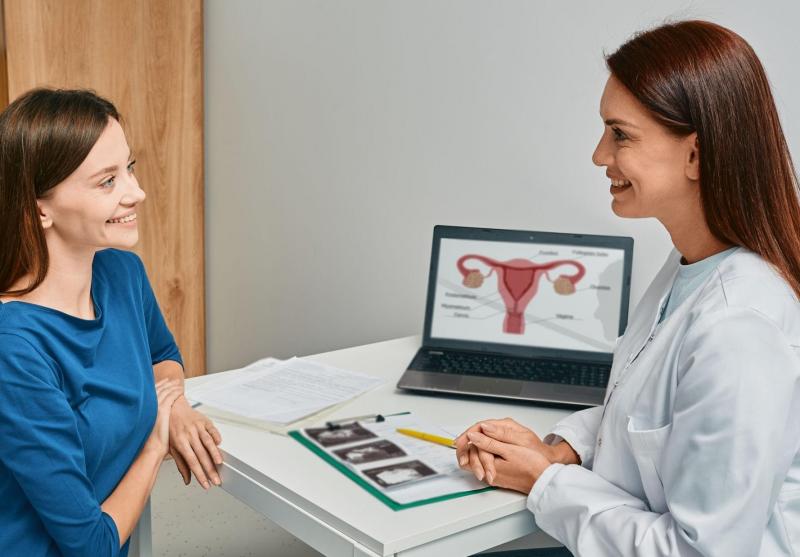
Women often become concerned when they notice spotting outside of their regular menstrual cycle schedule—especially if it happens for the first time. Known as intermenstrual bleeding, this occurrence can sometimes be attributed to natural physiological changes like ovulation or minor hormonal imbalances. However, in some cases, it might indicate health issues that require attention.
The reasons behind spotting can vary from woman to woman; it might be linked to contraceptive use, early pregnancy, or uterine issues such as endometrial problems. Understanding the nature, timing, and accompanying symptoms of the bleeding can help in identifying its cause and taking the necessary actions for women's health.
Spotting between menstrual periods is termed intermenstrual bleeding or irregular vaginal bleeding, a common occurrence for women at various life stages.
In many instances, the bleeding is mild and resolves on its own. Yet, knowing its cause can provide peace of mind and help detect any health issues early on.
Common Natural Causes of Spotting
1- Ovulation Bleeding
Ovulation bleeding is a prevalent reason for light spotting mid-cycle.
Due to:- A slight drop in estrogen levels during egg release.
- Natural changes in the uterine lining.
- Very light.
- Lasts for hours or up to two days.
- Pink or light brown in color.
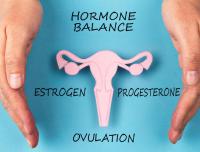
2- Hormonal Changes
Hormones play a pivotal role in regulating menstruation. Any imbalance may lead to off-schedule bleeding.
Causes of hormonal imbalance:- Stress and psychological pressure.
- Rapid weight changes.
- Thyroid gland disorders.
- Polycystic ovary syndrome (PCOS).
3- Contraceptive Use
Spotting might occur when starting new contraceptive methods, especially in the initial months.
Including:- Birth control pills.
- Hormonal or copper IUDs.
- Hormonal injections or implants.
This happens as the body adjusts to new hormonal changes.
Pregnancy-Related Causes
4- Implantation Bleeding
Light spotting might be an early sign of pregnancy.
Occurs as the fertilized egg attaches to the uterine wall, usually characterized by:
- Small blood volume.
- Pink or brown color.
- Occurs before the expected cycle date.
Any bleeding during pregnancy requires medical evaluation, especially if accompanied by pain or increased blood flow.
Health-Related Causes of Intermenstrual Bleeding
5- Vaginal or Cervical Infections
Infections can cause light bleeding, especially post-intercourse.
Accompanied by symptoms:- Itching.
- Abnormal discharge.
- Pain or burning sensation.
6- Uterine Polyps
Benign uterine conditions like polyps or fibroids may cause irregular bleeding.
Accompanied by:- Heavy menstrual flow.
- Extended bleeding duration.
- Pelvic pain.
7- Endometrial Issues
Endometrial disorders can disrupt the menstrual cycle, leading to spotting.
May be linked to hormonal imbalances or conditions requiring medical attention.
When to be Concerned About Spotting?
Medical consultation is advised if:
- Spotting is recurrent and persistent.
- Blood volume increases, resembling menstruation.
- Severe pelvic pain occurs.
- Bleeding occurs after menopause.
- Pregnancy is a possibility.
- Dizziness or weakness due to blood loss is noticed.
Diagnosing Causes of Spotting
Doctors may use several steps, including:
- Understanding menstrual history.
- Conducting a pregnancy test if needed.
- Pelvic examination.
- Hormonal tests.
- Ultrasound imaging.
Treatment varies with the cause; some cases may require no intervention, while others might need medication or specialized follow-up.
Tips for Monitoring Menstrual Health
- Track cycle dates and bleeding days.
- Observe blood color and quantity.
- Monitor any accompanying symptoms.
- Avoid undue worry over single instances of spotting; watch for recurrence.
Ultimately, the reasons for spotting between periods range from simple and natural causes like ovulation and hormonal changes to others that require medical evaluation. Monitoring bleeding patterns and associated symptoms helps determine when to seek medical advice, ensuring women's health is maintained.
See Also
Reasons for Early Menstrual Periods
Causes of Menstrual Cycle Disorders Causes of Low Menstrual Blood