


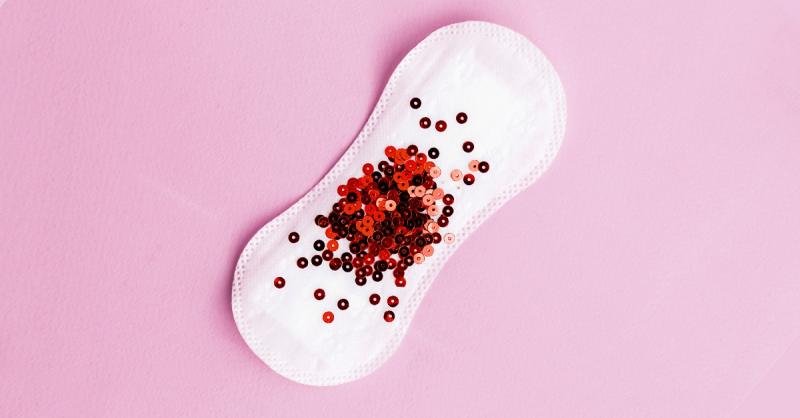
The causes of a light menstrual flow is a topic that often piques the curiosity of women, especially when there is a sudden change in the usual blood flow during their period. Typically, a light period can be normal due to age, lifestyle, or temporary hormonal changes. However, it can sometimes be linked to health issues affecting ovulation or the uterine lining.
Menstrual flow naturally varies among women and can change throughout different stages of life. Understanding the potential reasons for a lighter period can help distinguish between normal conditions and those that may require medical consultation.
What is Meant by a Light Menstrual Flow?
A light menstrual flow is characterized by a noticeable decrease in bleeding compared to the usual or a significantly shorter duration of menstruation. Some women might experience only a few drops of blood or require fewer sanitary products. This condition can occur temporarily or recurrently, aiding doctors in identifying potential causes.
Causes of Light Menstrual Flow

First: Natural Factors and Age-Related Stages
Often, a lighter period is a result of natural changes the body experiences during certain life stages.
Age and Hormonal Changes
In the early years post-puberty, the hormonal system may not be fully stabilized, resulting in irregular or light periods. Conversely, as menopause approaches, estrogen levels gradually decline, reducing menstrual blood flow and altering cycle regularity.
Pregnancy
Some women may mistakenly perceive spotting as a light period, which can be an early sign of pregnancy. Known as implantation bleeding, it occurs when a fertilized egg attaches to the uterine lining and is typically much lighter than a regular period.
Breastfeeding
During breastfeeding, prolactin levels rise, affecting ovulation and leading to either absent or light and irregular periods.
Second: Lifestyle and Physical Factors
Daily habits play a significant role in menstrual regulation and hormonal balance.
Sudden Weight Changes
Rapid weight loss, extreme thinness, or sudden weight gain can affect hormone levels that regulate the menstrual cycle. Additionally, low body fat can decrease estrogen production, influencing menstrual flow.
Stress and Anxiety
Chronic stress can affect the hypothalamus, a key part of the brain responsible for regulating reproductive hormones, potentially leading to ovulation disturbances and lighter periods.
Intense Exercise
While exercise is generally beneficial, extremely intense workouts can disrupt hormonal balance. Lower body fat in athletes might also result in reduced menstrual blood flow or amenorrhea.
Third: Birth Control and Medications
Contraceptives often contribute to changes in menstrual nature.
Hormonal Contraceptives
Birth control pills, injections, and hormonal IUDs reduce uterine lining thickness, leading to lighter periods or minimal spotting.
Certain Medications
Some medications can alter hormonal balance or menstrual nature, including antidepressants and hormonal treatments, warranting medical advice if persistent changes occur post-medication initiation.
Fourth: Hormonal and Medical Disorders

Polycystic Ovary Syndrome (PCOS)
PCOS is a prevalent cause of menstrual irregularities, leading to hormonal imbalance and uneven ovulation, producing light or spaced-out periods.
Thyroid Disorders
The thyroid plays a vital role in metabolism and hormones; thus, dysfunction can impact menstrual flow and regularity.
High Prolactin Levels
Elevated prolactin can occur even in non-pregnant or non-breastfeeding women, affecting ovulation and reducing menstrual flow.
Is Light Menstrual Flow Dangerous?
Usually, a light menstrual flow is not alarming, especially if linked to pregnancy, breastfeeding, contraceptive use, or age-related changes. However, medical advice may be needed if it occurs suddenly, continues persistently without explanation, or is accompanied by other symptoms.
When to Consult a Doctor?
Medical attention is recommended if:
- Light periods persist for several consecutive months.
- There is frequent cycle interruption.
- Difficulty conceiving arises.
- Thyroid disorder symptoms emerge.
- Increased hair growth or acne due to PCOS appears.
- Extreme fatigue or noticeable hormonal changes occur.
A doctor may suggest hormonal tests or ultrasound imaging to precisely identify the cause.
Tips for Maintaining Regular Menstrual Cycles
Adopting a healthy lifestyle supports hormonal balance and improves menstrual regularity. This includes a balanced diet, maintaining a healthy weight, ample sleep, stress reduction, and moderate physical activity.
In conclusion, the causes of light menstrual flow range from natural age-related factors, pregnancy, and breastfeeding, to lifestyle influences and hormonal disorders like PCOS and thyroid diseases.
While most cases are not concerning, persistent issues or accompanying symptoms warrant a medical consultation to determine the cause and receive appropriate treatment. Maintaining overall health and hormonal balance remains critical to preserving regular and healthy menstrual cycles.
See Also
Symptoms of Approaching Menstrual Cycle