


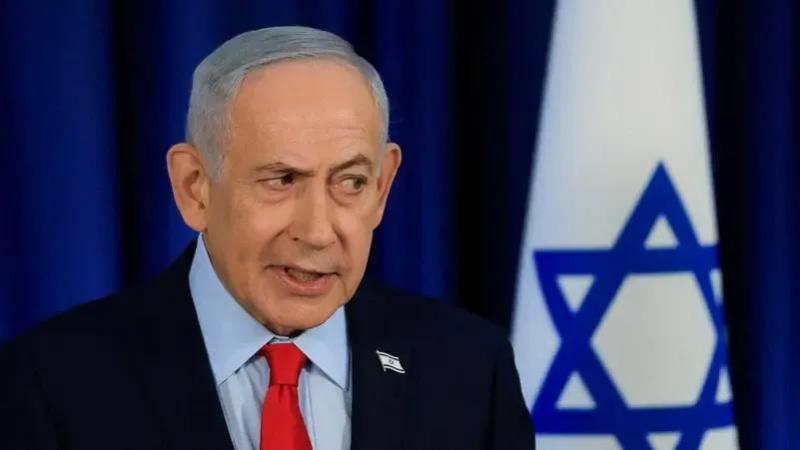
Israeli Prime Minister Benjamin Netanyahu has declared that Israeli forces will not withdraw from southern Lebanon, even after the signing of a memorandum of understanding between Iran and the United States to cease fighting across all fronts, including Lebanon. This revelation comes amid heightened international negotiations and tensions.
Netanyahu stated on Thursday, as reported by Israeli media, that the withdrawal would not occur as long as Israel's security needs demanded a presence in the region. He further vowed that under his leadership, Iran would never acquire nuclear weapons.
Meanwhile, the Israeli Ambassador to the U.S., Yehiel Leiter, emphasized the necessity to prevent Hezbollah from continuing its attacks and expressed hope that Iran would not be allowed to dictate Lebanon’s future. He also highlighted the importance of addressing Iranian missiles in the upcoming 60-day negotiations set to start in Switzerland between the U.S. and Iran.
“He needs to be more rational,”
In a parallel development, U.S. President Donald Trump advised Netanyahu to exercise more rationality, suggesting a potential endorsement in the next election cycle, depending on other candidates. Despite this, Trump reiterated his good relationship with the Israeli Prime Minister and continued to advocate for measured actions.
“Security Zones”
Netanyahu’s comments come after the Israeli military confirmed its operations within what it termed a security zone in southern Lebanon, extending approximately 10 kilometers, encompassing numerous border towns and villages south of the Litani River.
This stance aligns with earlier statements by Israeli officials revealing ongoing discussions with the United States regarding the continued deployment of Israeli forces in the region. An unnamed senior Israeli official described the negotiations with Washington as “stubborn,” insisting that Israel is committed to maintaining its forces south of the Litani River.
Another Israeli official noted that the outcome of these talks would depend on President Trump’s insistence and potential threats of serious repercussions if Israel fails to adhere to the interim agreement terms with Iran.
The expansion of Israeli military operations in the south followed Hezbollah's rocket and drone attacks on northern Israel on March 2, in response to the assassination of Iranian Supreme Leader Ali Khamenei. Since then, Israel has launched a devastating air and ground campaign in Lebanon aimed at dismantling Hezbollah.
However, the recent agreement between Iran and the U.S. has increased pressure on Netanyahu. Reports from Israeli and American sources indicate Trump's dissatisfaction with Israel’s ongoing bombardment of Lebanese territories, which jeopardized the U.S.-Iran accord.