


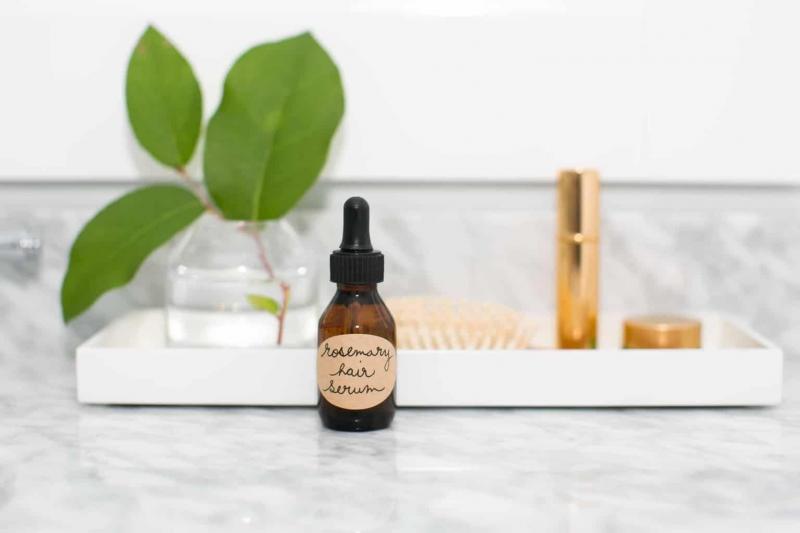
Many women are in search of hair-strengthening oils to reduce hair loss, stimulate growth, and restore the natural shine and vitality of their hair. Despite the plethora of products available on the market, natural oils remain a popular and effective option for hair care and strengthening the roots when used properly and regularly.
The effectiveness of natural oils is attributed to their rich composition of essential nutrients such as fatty acids, vitamins, and antioxidants that nourish the scalp and improve hair health from root to tip. Consequently, they can become an integral part of any care routine aimed at achieving stronger and thicker hair.
Why Do Natural Oils Help in Strengthening Hair?
Hair is daily exposed to several factors that affect its strength and health, such as heat styling, dyes, pollution, stress, and poor nutrition. Over time, these contribute to hair follicle weakening, leading to split ends and decreased density.
Moreover, certain natural oils enhance blood circulation in the scalp and deliver essential nutrients for healthy hair growth, which helps in reducing hair loss and improving overall hair appearance.
Best Essential Oils for Hair Growth Stimulation

Rosemary Oil
Rosemary oil is well-known for supporting hair growth and stimulating follicles. It activates blood circulation in the scalp, ensuring oxygen and nutrients reach the hair roots.
Hair care experts often recommend rosemary oil to improve hair density and reduce the appearance of sparse areas with continued use.
Peppermint Oil
Peppermint oil is recognized for its refreshing effect on the scalp, providing a cooling sensation and increasing blood flow to the follicles. It aids in promoting new hair growth in weak areas, making it a key ingredient in many hair-thickening formulas.
Lavender Oil
Lavender oil is noted for its soothing antibacterial properties, making it an excellent choice for maintaining a healthy scalp. Moreover, many have found that regular use can improve the conditions favorable for hair growth and cellular renewal.
Top Carrier Oils for Nourishing and Strengthening Hair
Carrier oils are often used to dilute essential oils and have substantial hair benefits.
Castor Oil
Castor oil is one of the most prominent oils in hair care. Rich in fatty acids, it nourishes the roots and strengthens hair, reducing breakage and enhancing thickness when included in a weekly routine.
Argan Oil
Known as "liquid gold," argan oil is rich in vitamin E and antioxidants. It repairs damaged hair, reduces frizz, and imparts a natural softness and shine without adding weight or excess oiliness.
Coconut Oil
Coconut oil is adept at penetrating hair fibers deeply, thereby minimizing protein loss and offering protection against damage from styling and external factors.
Jojoba Oil
Jojoba oil mimics the natural oils produced by the scalp, balancing sebum production, hydrating the scalp without clogging pores or increasing hair oiliness.
Proper Usage of Oils for Hair Strengthening

Weekly Oil Treatment
Weekly oil treatments deeply nourish the hair and improve scalp health.
Application Steps
Mix a tablespoon of a carrier oil like coconut or jojoba oil with three or four drops of rosemary or peppermint oil. Warm the mixture slightly to a lukewarm temperature.
Apply the oil to the scalp and hair, massaging gently in circular motions for five minutes to boost blood circulation. Additionally, you can cover the hair with a plastic cap, leaving the oil on for 30 to 60 minutes.
Finally, wash the hair with a gentle, sulfate-free shampoo for the best results, ideally repeating this process once or twice weekly.
Daily Hair Serum Method
For easy maintenance of hair smoothness and shine, use a tiny amount of argan or sweet almond oil. Rub just two drops between your palms and apply to the ends of damp or dry hair. This method reduces frizz and protects ends from splitting without weighing the hair down.
Benefits of Massage with Natural Oils
The benefits of oils extend beyond their nutritional components; regular scalp massages enhance blood flow to the follicles. Besides, massage helps reduce stress, a factor linked to hair loss in some individuals.
Common Mistakes in Using Hair Oils
Some women make errors impacting desired results, including:
-Using essential oils directly, undiluted.
-Leaving heavy oils on the scalp for excessively long periods.
-Overusing large quantities of oil.
-Failing to rinse hair thoroughly after an oil treatment.
-Ceasing use before seeing results.
Moderation and commitment to a correct routine remain key factors for achieving healthy, strong hair.
Important Precautions Before Using Oils
Before applying a new oil to your scalp, a simple patch test on a small skin area is recommended, waiting 24 hours to ensure no irritation or redness occurs. Consulting a dermatologist is suggested for persistent issues like severe loss or chronic scalp inflammation.
When to Expect Results from Hair Oils?
Results vary by individual due to hair type, issue reasons, and routine adherence. Initial improvements in hair softness and shine may appear within weeks, while density enhancement and reduced loss typically show after four to six weeks of consistent use. More visible results in hair growth and thickness increases may require two to three months of persistence.
In Conclusion, natural oils are among the most effective solutions for enhancing hair health and follicle strength when used correctly. With a regular routine and fitting oils, noticeable results can be achieved, giving hair a stronger, more lively, and shinier appearance over time.
See Also