


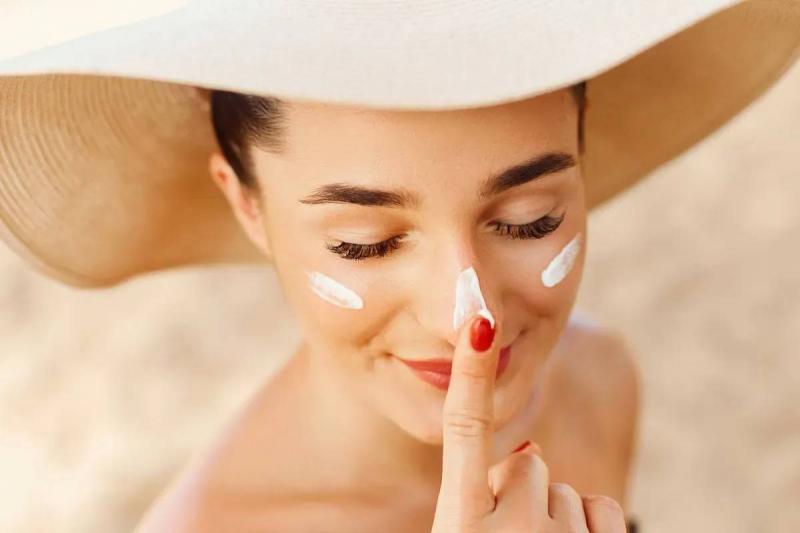
The use of sunscreen is one of the most crucial steps in skincare. Its benefits go beyond just preventing skin burns; it also protects against pigmentation, dark spots, and signs of aging resulting from continuous sun exposure.
With numerous different products in the market, many feel confused about choosing the right one. There are significant differences in protection factors, formulations, ingredients, and usage purposes. Understanding the basics of choosing sunscreen helps in obtaining the best possible protection and maintaining skin health in the long term.
Why is Sunscreen Essential?
The skin is exposed daily to UV rays, even on cloudy days or when inside a car or near windows. Over time, these rays cause cumulative damage, including loss of skin elasticity and early wrinkles.
Furthermore, regular usage of sunscreen reduces the risk of skin issues associated with chronic sun exposure, making it a vital skincare product.

Understanding SPF
SPF, or Sun Protection Factor, refers to a product's ability to protect the skin from UVB rays, primarily responsible for sunburns. The higher the number, the greater the protection, although the difference between high ratings isn't as substantial as some might think.
SPF 30
SPF 30 is one of the most recommended options for daily use, as it helps block about 97% of UV rays that cause burns.
SPF 50
Offers slightly higher protection and is preferred for those spending extended periods under the sun or with very sensitive skin.
Is SPF 100 Always Better?
A higher number doesn't mean double protection; even products with high SPF do not provide complete protection. Regular reapplication remains crucial.
Importance of Broad-Spectrum Sunscreen
Focusing on SPF alone isn't enough when buying sunscreen. Ensure the packaging indicates "Broad-Spectrum," as this type provides protection from two types of UV rays.
UVA Rays
These rays penetrate deep into the skin layers and are primary causes of wrinkles and premature aging.
UVB Rays
Primarily affect the upper skin layers, causing redness and sunburns. Comprehensive protection requires countering both ray types simultaneously.
When Do You Need Water Resistance?
If you exercise outdoors or spend time on the beach or near pools, it's best to choose a water-resistant sunscreen. Protection typically lasts between 40 to 80 minutes, depending on the product, but reapplying after swimming or heavy sweating is vital for continuous protection.
Choosing Sunscreen Based on Skin Type
Skin type is a critical factor in determining the right product, as an incorrect formulation can cause additional issues such as shine, dryness, or clogged pores.
Oily, Acne-Prone Skin
Oily skin needs lightweight products that don't increase oil production. Look for sunscreens labeled:
-Oil-free.
-Non-comedogenic.
-Lightweight or gel formula.
-Fast-absorbing.
These types protect the skin without leaving an unpleasant greasy layer or increasing the chance of breakouts.
Dry Skin
Dry skin requires products that combine protection with moisturizing elements. Opt for sunscreens with ingredients like:
-Hyaluronic acid.
-Ceramides.
-Glycerin.
These components help maintain moisture and reduce dryness throughout the day.
Sensitive Skin
Sensitive skin needs special care to avoid irritation and redness. Prefer mineral-based products with zinc oxide or titanium dioxide as they are less likely to cause allergic reactions compared to some chemical components.
Differences Between Chemical and Physical Sunscreens

Physical or Mineral Sunscreens
These work as a barrier, reflecting UV rays away from the skin's surface and are:
-Suitable for sensitive skin.
-Effective immediately upon application.
-Appropriate for children.
-Less likely to cause irritation.
However, they may leave a slight white film on the skin.
Chemical Sunscreens
These absorb UV rays and convert them into harmless heat, featuring:
-Lightweight on the skin.
-No white residue.
-Ideal for daily use under makeup.
It usually requires waiting 15 to 20 minutes before sun exposure for full protection.
Common Sunscreen Application Mistakes
Many people make mistakes that reduce a product's effectiveness, regardless of its quality. Common errors include:
-Applying too little of the product.
-Not reapplying during the day.
-Using it only when going to the beach.
-Ignoring areas like the neck, ears, and hands.
-Relying solely on makeup with SPF.
Thus, proper application is as important as choosing the right product.
Best Practices for Maximum Protection
For optimal results, apply sunscreen at least 15 to 20 minutes before going out if it's chemical-based. Additionally, reapply every two hours when directly exposed to the sun or after swimming and sweating. Also, wearing sunglasses, hats, and protective clothing is recommended for additional skin protection.
How to Know Your Sunscreen is Right for Your Skin?
If the product provides the needed protection without causing breakouts, redness, dryness, or excessive shine, it indicates suitability for your skin. Some skin types may require testing multiple products to find the perfect match that offers comfort and effective protection.
In conclusion, sunscreen serves as the first line of defense against UV damage, pigmentation, and early aging signs. With regular and proper use, sunscreen plays a crucial role in maintaining youthful, healthy skin for years.
See Also