


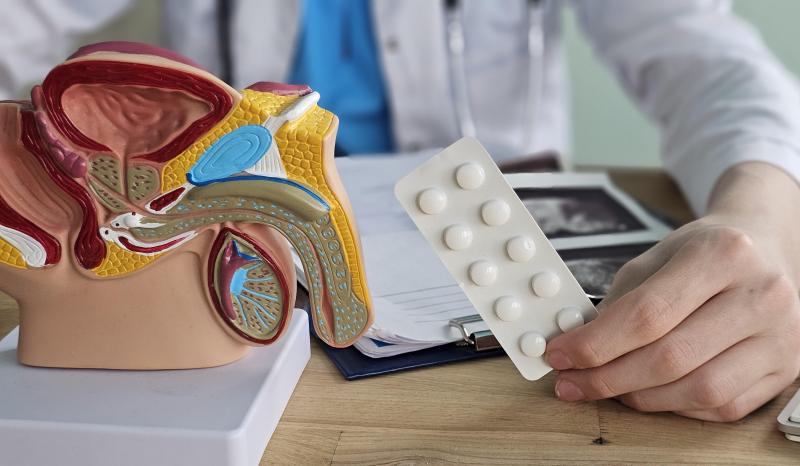
Erectile dysfunction (ED) medications are among the most commonly prescribed treatments for enhancing male sexual performance. These medications work by boosting blood flow to the penis when sexual stimulation occurs. The mechanism relies on a series of precise biological interactions that originate from the nervous system and culminate in the relaxation of blood vessels.
Understanding how these treatments work is essential, as the issue isn't always a lack of sexual desire. Often, it relates to insufficient blood supply or disrupted nerve signals. Hence, ED medications support the body's natural processes rather than directly inducing an erection.
How Does a Natural Erection Occur?
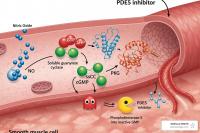
An erection begins with the brain dispatching nerve signals in response to sexual arousal, releasing a chemical known as Nitric Oxide (NO). This stimulates an enzyme within the blood vessels to produce a compound called cyclic GMP (cGMP), which:
- Relaxes smooth muscle fibers in the blood vessels.
- Widens the arteries supplying the penis.
- Increases blood flow into the erectile tissues.
- Creates blood engorgement responsible for erection.
Post-stimulation, an enzyme named PDE5 breaks down cGMP, restoring the blood vessels to their default state.
How Do ED Medications Operate Within the Body?
Most contemporary ED drugs function by inhibiting the PDE5 enzyme, known as PDE5 inhibitors. When ingested, they:
- Prevent PDE5 from breaking down cGMP too quickly.
- Maintain the relaxation of blood vessels for extended durations.
- Enhance blood flow to the penis, making it easier to achieve and sustain an erection during sexual arousal.
However, these medications do not spontaneously trigger erections; sexual stimulation is necessary for them to be effective.
Popular ED Drugs and How They Work
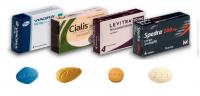
Sildenafil (Viagra)
Sildenafil is a well-known drug that enhances the effect of cGMP, improving blood flow. Its effects usually start within 30 to 60 minutes and can be delayed by a heavy meal.
Tadalafil (Cialis)
Tadalafil is recognized for its prolonged effectiveness, lasting up to 36 hours for some men. It is sometimes taken in low daily doses, providing flexibility without the necessity for pre-planning.
Vardenafil (Levitra)
Working similarly to inhibit PDE5, Vardenafil is effective for many men, and its effectiveness is less impacted by food compared to other drugs.
Avanafil
Avanafil is a modern option, known for a rapid onset of action compared to conventional treatments.
What Happens to Blood Vessels After Taking the Medication?
Once the active ingredient reaches the bloodstream, it principally targets the penile blood vessels, assisting in:
- Expanding arteries.
- Improving blood intake into erectile tissues.
- Reducing the rate of blood drainage from the penis during erection.
These medications do not increase testosterone or directly enhance sexual desire; they improve the body's natural physical response.
Are These Drugs Effective for All Men?
Individual responses vary based on the underlying cause of ED. Effectiveness may be reduced in cases such as:
- Uncontrolled diabetes.
- Cardiovascular diseases.
- Nerve damage.
- Low testosterone levels.
- Other medications impacting sexual function.
Choosing the appropriate treatment requires a comprehensive health evaluation.
Warnings and Potential Side Effects
These drugs may cause side effects like:
- Headache.
- Facial flushing.
- Nasal congestion.
- Indigestion.
- Dizziness.
Their use with nitrate medications for certain heart conditions is contraindicated due to potential significant blood pressure drops.
Tips for Enhancing Treatment Effectiveness
- Maintain healthy blood sugar levels.
- Exercise regularly.
- Reduce smoking and alcohol consumption.
- Treat blood pressure and cholesterol issues.
- Consult a doctor before selecting a drug or dosage.
Conclusion
Erectile dysfunction medications function by supporting the body's natural mechanisms, enhancing blood flow, and prolonging the effects of substances responsible for vasodilation. Despite their effectiveness for many men, the best treatment depends on individual health and the underlying cause of the issue.
Understanding how these drugs work aids in their safer and more effective use, particularly for heart patients and those with diabetes.
Related Articles