


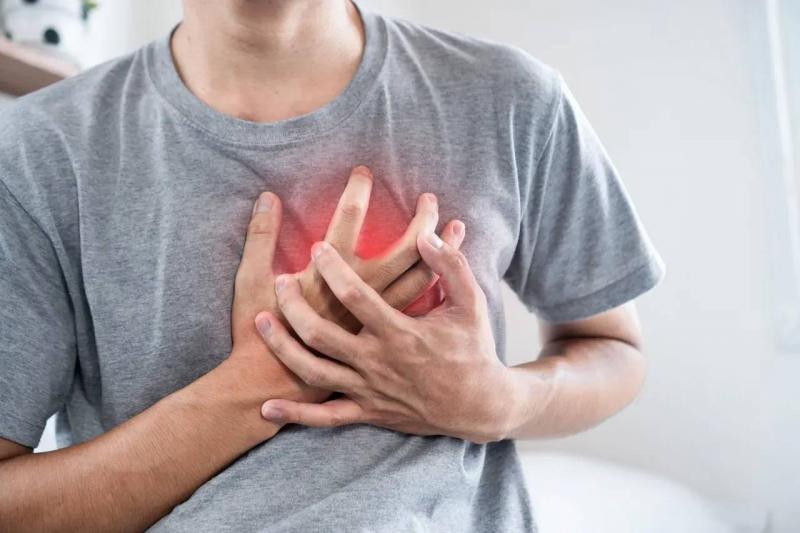
Iron deficiency is a concern for many, especially when heart palpitations are accompanied by severe fatigue, shortness of breath, or frequent dizziness. This condition is closely linked to the crucial role iron plays in producing hemoglobin within red blood cells, the protein responsible for transporting oxygen from the lungs to different body parts.
With low iron levels, the body's efficiency in producing hemoglobin decreases, reducing oxygen delivery to tissues, muscles, and the brain. The heart compensates by pumping blood more quickly and forcefully to meet this deficiency, leading to palpitations or noticeable rapid heartbeat, especially when climbing stairs, walking quickly, or exerting minimal effort.
Why Does Iron Deficiency Cause Rapid Heartbeats?
The primary reason is that iron is vital for hemoglobin production, enabling red blood cells to carry oxygen. A decrease in iron can lead to iron deficiency anemia, resulting in reduced oxygen reaching body organs.
The body attempts to manage this shortage through a compensatory mechanism led by the heart. Instead of increasing the oxygen amount per blood cell, the heart pumps more blood in less time to supply tissues with needed oxygen. This additional effort translates into palpitations or a rapid heartbeat, sometimes resulting in an irregular pulse sensation.
This sensation often heightens with physical exertion, as muscle and organ oxygen demands rise. Hence, palpitations may occur during walking, climbing stairs, or even rising from bed quickly.
How Does Iron Deficiency Palpitation Feel?
Iron deficiency palpitations vary among individuals but generally manifest as:
- Noticeable rapid heartbeats
- A fluttering or strong pulse sensation in the chest
- A feeling of the heart racing after mild exertion
- Chest discomfort accompanied by shortness of breath or sudden fatigue
In many cases, palpitations aren't the sole symptom, often appearing alongside other signs of iron deficiency or anemia.
Other Symptoms Accompanying Iron Deficiency
Along with rapid heartbeats, common symptoms occur due to reduced oxygen delivery. As the deficit increases or becomes prolonged, these symptoms become more evident and troublesome.
Key Iron Deficiency Symptoms
- Persistent fatigue and exhaustion from minor exertion
- Shortness of breath, especially during activity
- Pale skin, lips, and inner eyelids
- Frequent dizziness or headaches
- Cold hands and feet
- Poor concentration or confusion
- General weakness and reduced ability to exert effort
In some cases, symptoms like brittle nails, hair loss, or cravings for non-food items such as ice may emerge, linked to chronic iron deficiency.
When Is Iron Deficiency Dangerous for the Heart?
In mild stages, iron deficiency may only cause fatigue and intermittent palpitations. The issue arises when the deficit persists untreated, placing a continuous burden on the heart.
Medical references indicate severe anemia from iron deficiency can lead to rapid or irregular heartbeats. Unaddressed, it may increase the risk of heart muscle enlargement or weakness, especially in patients with pre-existing heart conditions.
Therefore, palpitations shouldn't be ignored if accompanied by shortness of breath, chest pain, severe dizziness, or fatigue that disrupts daily life.
How Is Iron Deficiency Diagnosed?
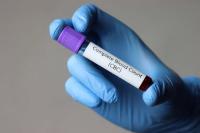
Essential Tests Required
-Complete Blood Count (CBC): To identify anemia and its impact on hemoglobin and red blood cells
-Ferritin Test: To measure iron storage in the body
-Serum Iron and Total Iron Binding Capacity: To evaluate the condition more accurately when necessary
The physician may also investigate the underlying cause of the deficiency, such as heavy menstrual bleeding, poor diet, gastrointestinal bleeding, or absorption issues.
Treatment of Iron Deficiency and Rapid Heartbeats
Treatment depends on severity and cause. Early-detected, simple causes might require just iron supplements and dietary adjustments. Severe deficiencies or those involving absorption problems or ongoing bleeding may necessitate a broader treatment plan determined by a physician.
Basic Treatment Steps
- Taking prescribed iron supplements
- Treating the underlying cause of iron deficiency
- Focusing on iron-rich foods like red meats, liver, poultry, lentils, and spinach
- Consuming Vitamin C with meals or iron supplements to improve absorption
- Monitoring tests periodically to ensure improved hemoglobin and iron storage levels
Typically, palpitations improve gradually with treatment of the cause and rising iron levels, but this may take several weeks depending on deficiency severity.
In Conclusion, iron deficiency and rapid heartbeats are interconnected, as inadequate iron prevents sufficient hemoglobin production, reducing oxygen transport to tissues. The heart compensates by working harder, leading to palpitations and rapid pulse, often accompanied by fatigue, breathlessness, and dizziness.
See Also
Does Vitamin B12 Deficiency Cause Dizziness and Chronic Fatigue?
Normal Iron Levels in Blood and When Deficiency Becomes Dangerous