


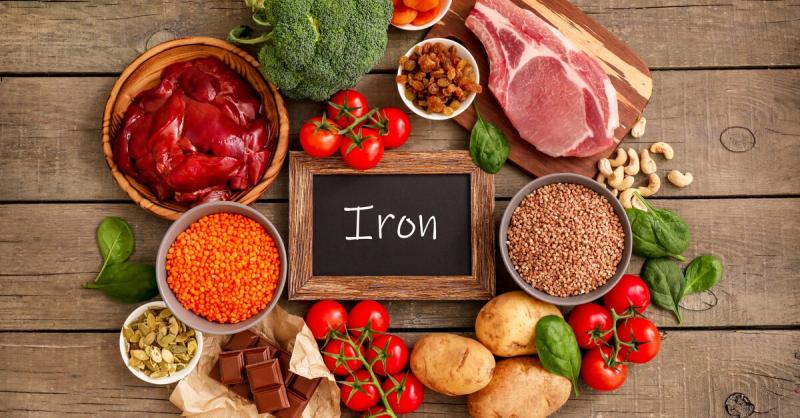
Sudden iron deficiency doesn't mean the body's iron was lost in a single day. It can indicate a significant drop in iron stores or hemoglobin levels over a relatively short period. Symptoms such as extreme fatigue, dizziness, pale skin, rapid heartbeat, and shortness of breath start to appear noticeably.
Many people mistakenly believe that poor nutrition is the only cause. However, iron deficiency can sometimes signal a deeper issue such as slow internal bleeding, iron absorption disorders, or a sudden increase in the body’s iron needs.
What Causes Sudden Iron Deficiency?

Firstly: Sudden or Chronic Blood Loss
Blood loss is one of the primary and well-known causes of sudden iron deficiency, as iron is found in red blood cells. Any bleeding results in a direct loss of this iron.
Heavy Menstrual Bleeding in Women
Women experiencing heavy menstrual periods are more susceptible to iron deficiency, especially if the heavy bleeding persists over several months. The Mayo Clinic notes that heavy menstruation is a common cause of iron deficiency anemia in women.
Hidden Internal Bleeding
Sometimes, bleeding is not visible but occurs slowly within the digestive tract without the patient’s notice. Potential causes include stomach ulcers, polyps, colon and rectal cancer, or bleeding due to chronic use of medications like aspirin and anti-inflammatories. This is risky because iron deficiency might be the first sign prompting the discovery of the underlying cause.
Injuries, Surgeries, and Frequent Blood Donation
Iron deficiency can also occur after deep wounds, major surgeries, or frequent blood donations without adequate dietary compensation. Frequent donors are more prone to decreased iron stores over time.
Secondly: Increased Body Demand for Iron
At times, the cause isn't blood loss, but a rapid increase in the body’s requirement for iron, depleting the stores.
Pregnancy and Lactation
Pregnancy significantly raises iron demand because the mother's body needs to support increased blood volume and simultaneously supply the growing fetus. Pregnant women are more at risk of iron deficiency if they do not consume sufficient iron through diet or supplements. This need may persist during lactation, especially if the initial iron stores were low.
Growth Spurts in Children and Adolescents
Children and adolescents, particularly during rapid growth phases, require more iron to support blood, tissue, and muscle formation. Iron deficiency may be more noticeable if their diet is inadequate.
Intensive Exercise
While exercise alone isn't always a direct cause, intense and frequent workouts can increase nutritional needs altogether. For some athletes, this might lead to iron depletion, especially if combined with excessive sweating or insufficient nutrition or recurrent microscopic bleeding in endurance sports.
Thirdly: Issues Preventing Iron Absorption
Even with a good diet, the body might not benefit from the iron if there's an absorption problem in the small intestine.
Intestinal and Stomach Diseases
Conditions like celiac disease, Crohn’s disease, ulcerative colitis, and certain chronic digestive disorders can impair natural iron absorption, leading to deficiency even if someone consumes good iron sources.
Bariatric Surgery or Resection of Digestive Parts
Those who undergo gastric bypass or surgeries impacting absorption parts of the intestines may be at higher risk for iron deficiency. Absorbing iron depends not just on intake but also on the healthy function of digestive parts responsible for absorption.

Fourthly: Iron-Poor Diet
Another cause of sudden iron deficiency is switching to a very restrictive diet without proper planning. Reduced intake of meat, legumes, or iron-fortified foods for a period causes the stores to diminish gradually, manifesting faster if the initial store was already low, as seen in women post-pregnancy or those with heavy menstrual bleeding.
Strict vegetarian diets lacking rich iron alternatives or without being paired with vitamin C sources can heighten deficiency risk over time since the absorption of plant-based iron is weaker than that in animal sources.
Fifthly: Habits Hindering Iron Absorption
The issue isn't always iron amounts, but how it’s consumed. Drinking tea or coffee right after meals can reduce iron absorption, particularly if the meal is the primary source. Also, consuming iron with large amounts of calcium or some antacids can hinder its absorption. It is recommended to leave an appropriate time gap between iron intake and tea or coffee to enhance absorption.
When is Sudden Iron Deficiency Worrisome?
Iron deficiency should not be ignored if accompanied by symptoms like:
- Unusual severe fatigue
- Dizziness or frequent headaches
- Visible pallor in face and lips
- Palpitations or shortness of breath
- Decline in physical or mental performance
It’s especially crucial if the deficiency arises suddenly without apparent reason, or if the person is a postmenopausal woman or a man, as these demographics often require investigating internal bleeding or underlying health issues rather than self-prescribing iron supplements.
In conclusion, if you experience recurring symptoms or tests show a notable drop in iron or ferritin levels, consult a doctor for a CBC, ferritin test, and possibly additional analyses based on the situation. Effective treatment involves not just raising numbers in tests but addressing the root cause of iron deficiency.
See Also