


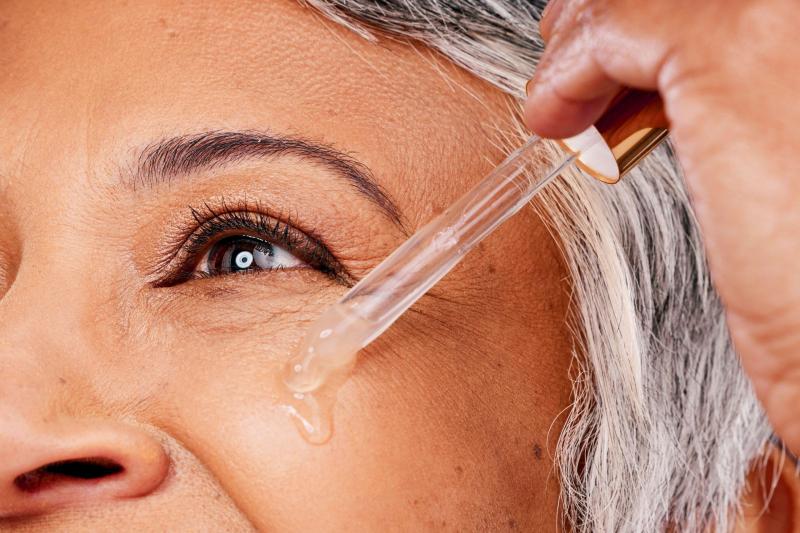
Collagen is one of the most important proteins in the human body, significantly responsible for providing the skin with strength, elasticity, and a plump appearance. As we age, the natural production of collagen in the body decreases, which may lead to signs like wrinkles, loss of elasticity, and dry skin.
Thus, collagen has become a popular ingredient in skincare products and dietary supplements for supporting skin health and improving appearance. The results of its use vary depending on skin type, age, and lifestyle.
What is Collagen?
Collagen is a natural protein that is a crucial part of skin structure and connective tissues, helping maintain skin cohesion and elasticity. The body produces collagen naturally, but its production begins to decline gradually with age, compounded by factors such as excessive sun exposure, smoking, lack of sleep, poor nutrition, and continuous stress.
The Benefits of Collagen for Skin: How It Helps Maintain Radiance
1. Enhancing Skin Elasticity
Collagen supports skin structure and helps maintain its elasticity, giving skin a firmer and fresher appearance. With reduced collagen levels, the skin may become more prone to sagging and losing vitality.
2. Reducing the Appearance of Wrinkles and Fine Lines
Collagen is used in skincare routines to help improve the appearance of fine lines associated with aging by supporting skin hydration and elasticity.
3. Increasing Skin Hydration
Collagen can enhance the skin's ability to retain moisture, making it look softer and plumper, especially in people with dry skin.
4. Improving Skin Radiance
Maintaining good collagen levels supports healthy skin appearance and may help provide a brighter and more vibrant look when combined with a suitable skincare routine.
5. Supporting Skin Cell Renewal
Collagen plays an important role in skin structure and helps the body in the process of tissue repair and renewal, making it crucial for maintaining skin health.
Natural Sources That Help Produce Collagen
Collagen production in the body can be supported by consuming foods rich in necessary components such as fish, chicken, eggs, meats, citrus fruits rich in Vitamin C, nuts and seeds, and leafy vegetables. Vitamin C is an essential element needed by the body to produce collagen naturally.
Do Collagen Creams Benefit the Skin?
Many skin creams contain collagen, but they often work primarily to moisturize the skin's surface and improve its texture since large collagen molecules may not easily penetrate the deeper layers of the skin. Collagen supplements are being studied to understand their effects on skin elasticity and hydration, with results varying among individuals.
When Do Collagen Results Start to Show?
The duration for results to appear varies depending on the method of use and the body's nature. Some individuals may notice a gradual improvement in skin hydration and elasticity after consistent use over a suitable period. Results also depend on diet, daily skincare, sun protection, age, and general health.
Tips for Maintaining Collagen in Skin
To maintain skin health and reduce collagen loss, it is advised to use sunscreen daily, eat a balanced diet rich in proteins and vitamins, drink adequate water, avoid smoking, get enough sleep, and use products suitable for skin type.
Risks of Excessive Collagen Supplement Intake
Collagen supplements are generally safe for many people, but some may experience symptoms such as stomach disturbances, bloating, and unusual taste in the mouth. Consulting a healthcare professional before using any dietary supplement is recommended, especially for individuals with certain health conditions or allergies to some collagen sources.
In conclusion, collagen benefits the skin by supporting elasticity, improving hydration, and helping maintain a more radiant and youthful appearance. While collagen is vital for skin health, the best results come from combining healthy nutrition, sun protection, and a suitable skincare routine.