


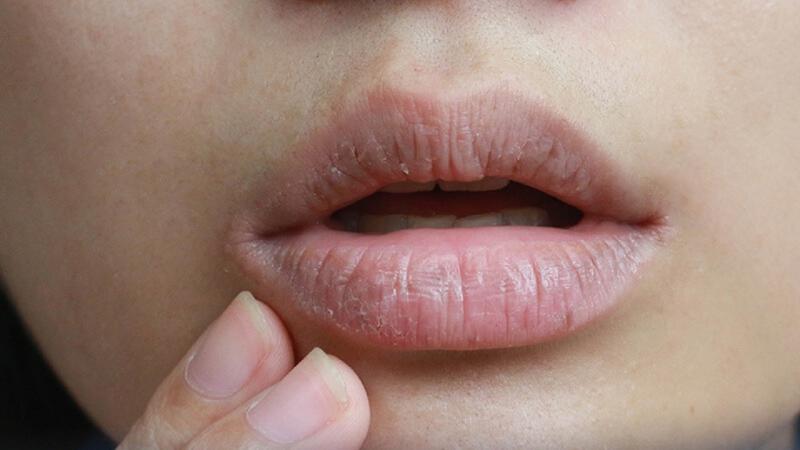
Dehydration is a common health condition that arises when there is a significant loss of body fluids without adequate replacement, affecting vital body functions. Both children and adults can suffer from dehydration, but it is particularly dangerous for children and the elderly due to their sensitivity to fluid changes.
Causes of dehydration range from insufficient water intake, diarrhea, vomiting, high temperatures, or intense physical activity without replenishing fluids. Recognizing early symptoms and knowing treatment options is crucial to prevent complications.
Understanding Dehydration
Dehydration occurs when the body loses more water and fluids than it takes in, leading to an imbalance of salts and minerals. This can disrupt brain function, kidney performance, and circulation.
Dehydration Symptoms in Children and Adults: A Comprehensive Guide to Prevent Fluid Loss
In children, dehydration can be evident and progress quickly. Key symptoms include:
- Dry mouth and tongue.
- Infrequent urination or no wet diapers for long periods.
- Crying without tears.
- Lethargy or unusual fatigue.
- Sunken eyes.
- Persistent irritability or crying.
- Loss of appetite.
In severe cases, rapid heartbeat or a drop in consciousness can occur, requiring immediate medical intervention.
Symptoms of Dehydration in Adults
In adults, symptoms may initially be less noticeable but can include:
- Intense thirst.
- Dry mouth and lips.
- Dizziness or headache.
- General fatigue and weakness.
- Decreased urination or dark-colored urine.
- Dry skin.
- In severe cases, low blood pressure.
Causes of Dehydration
Several factors can lead to dehydration, including:
- Not drinking enough water.
- Frequent diarrhea or vomiting.
- Excessive sweating due to heat or exercise.
- High fever.
- Chronic illnesses like diabetes.
- Use of diuretics.
How to Treat Dehydration
Treatment relies on the severity of the condition, with methods including:
Fluid IntakeFor mild cases, dehydration can be managed by:
- Drinking sufficient water.
- Consuming natural juices.
- Using oral rehydration solutions (ORS).
Medical TreatmentModerate to severe cases may require:
- Intravenous fluids in a hospital setting.
- Replenishing lost salts and minerals.
- Addressing underlying causes such as diarrhea or vomiting.
Treating Dehydration in Children
For children, recommendations include:
- Providing oral rehydration solution frequently.
- Continuing breastfeeding for infants.
- Avoiding sugary or carbonated drinks.
- Consulting a doctor immediately if severe symptoms appear.
Preventing Dehydration
Dehydration can be prevented by:
- Ensuring adequate daily water intake.
- Increasing fluid consumption in hot weather.
- Monitoring children and the elderly closely.
- Eating water-rich foods like fruits and vegetables.
- Replenishing fluids after sweating or illness.
When is Dehydration Serious?
Dehydration is serious when signs like loss of consciousness, confusion, severe low blood pressure, prolonged lack of urination, or extreme dryness in the mouth and eyes appear, necessitating immediate emergency care.
ConclusionDehydration is preventable and treatable if detected early, but neglect can lead to serious complications, especially in children and the elderly. Regular fluid intake and attention to unusual symptoms are essential.