


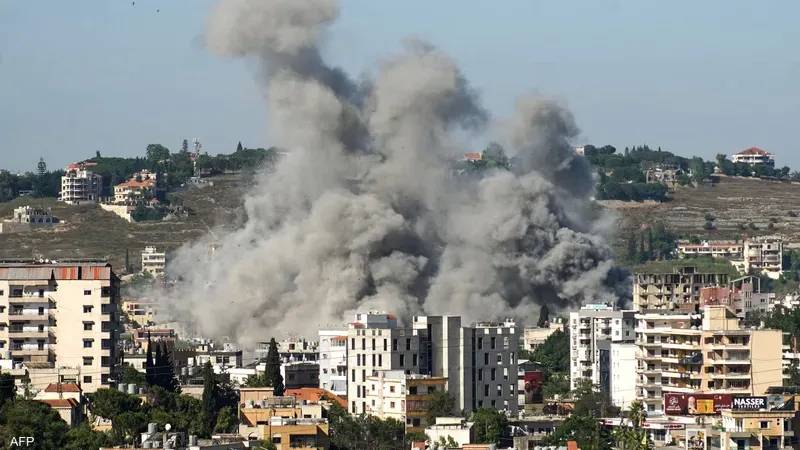
A well-informed official revealed to the "Times of Israel" on Sunday that the framework agreement signed last week between Israel and Lebanon explicitly maintains Israel's full military freedom to act against threats within the Southern Lebanon security zone.
According to the official, the secret security appendix agreed upon in Washington states there will be no automatic withdrawal of Israeli forces, although Israel remains concerned that Iranian pressure through negotiations with the United States could impede the agreement’s implementation.
The official confirmed a Channel 12 Israeli report that the security appendix alluded to in the public agreement text was classified secret at the request of the Lebanese government.
Article four in the appendix grants the Israeli army freedom to act against emerging threats within the security zone, a priority for Israel amid fears that Washington-Tehran negotiations might limit its response capabilities against Hezbollah threats.
The same article delineates a clear commitment from both Israel and Lebanon to refrain from automatic or scheduled withdrawals, with redeployment decisions based on field developments instead.
The main agreement states that withdrawal will be "performance-based."
Details also specify that the two trial withdrawal areas announced on Saturday will remain the only ones for now, with no immediate expansion planned.
Israeli estimates suggest the pilot project, under which Lebanese forces will assume control after training and security checks, will take weeks to execute as the Lebanese army prepares to take over.
Israel is concerned that Iran might undermine this understanding through parallel talks with Washington by urging the U.S. to demand a full Israeli withdrawal from Southern Lebanon as part of a broader agreement, as confirmed by the Channel 12 report.
The framework agreement between Israel and Lebanon is aimed at paving the way toward a potential peace treaty between the long-time adversaries in the Middle East.
The agreement includes a pilot project where the Lebanese army will control small areas previously under Israeli military presence, and a path aiming to disarm Hezbollah, which immediately rejected the agreement, with Israel affirming continued action against the Iranian-backed organization.
Israeli Chief of Staff Lt. Gen. Aviv Kohavi described the agreement with Lebanon on Sunday as "historic and significant," noting that military achievements "created the necessary conditions for it."
Kohavi stated, "We will adhere to the agreement and work to ensure its success. The test now is of action by both parties, and the upcoming phase will determine the future."
Kohavi visited the Northern Command to approve future operational plans in Lebanon as the army prepares for a partial withdrawal per the agreement.
Conversely, Hezbollah MP Hassan Fadlallah warned of an "internal conflict" in Lebanon due to the agreement, predicting it might not be implemented.