


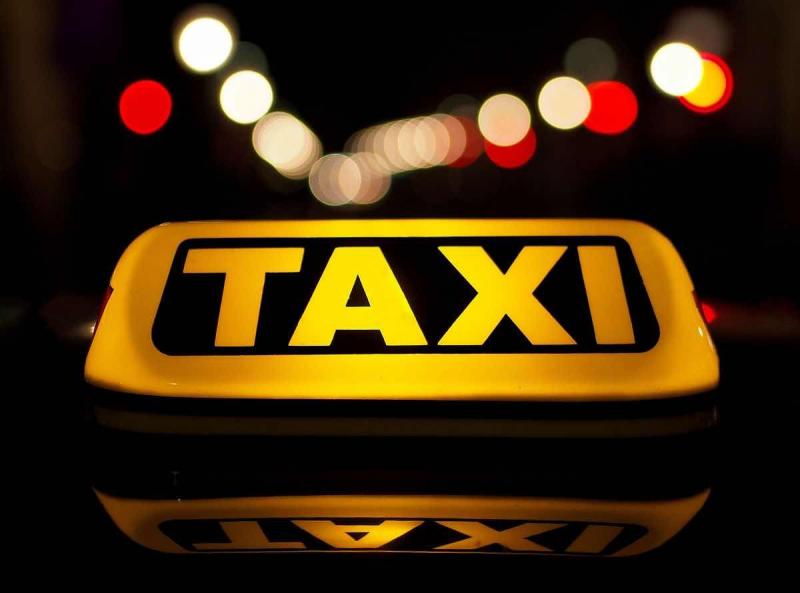
Transportation costs in Lebanon have become a major concern for citizens, residents, and tourists. The recent economic changes in the country have had a direct impact on both public and private transportation expenses.
Despite the existence of official rates for some modes of transport, reality may differ due to the rising costs of fuel and maintenance, along with price variations across regions and demand levels.
How Have Transportation Costs Evolved in Lebanon?
The Lebanese transport sector has witnessed significant changes in recent years due to increased fuel prices, currency devaluation, and higher vehicle operating costs.
As a result, many drivers have adjusted their fares to align with daily expenses, leading to discrepancies between official rates and actual prices in certain areas.
Transportation Prices in Lebanon

Service Taxis within Beirut
Shared service taxis are among the most used transportation means in the capital, offering a cost-effective and speedy option compared to private taxis. The official fare per passenger within Beirut's administrative area is 250,000 Lebanese pounds.
However, many passengers report that actual fares may range from 250,000 to 300,000 Lebanese pounds, depending on distance, traffic, and driver discretion. Additionally, fares may vary during peak hours or due to road detours or heavy traffic.
Private Taxi Prices
Some passengers prefer private taxis for comfort and privacy, with official fares starting at around one million Lebanese pounds per ride within Beirut. Costs may increase depending on the distance and time spent on the road.
Alternatively, some drivers prefer agreeing on a fare with the passenger before the ride begins, and it is advisable to confirm the price beforehand to avoid disputes.
Public and Private Bus Fares
Public and private buses remain the most affordable transport option, with prices varying according to the route length. Key rates include:
Short Routes
Such as the Mar Mikael – Hadath route, with fares around 100,000 Lebanese pounds.
Medium Routes
Such as the Martyrs’ Square – Khaldeh route, with fares approximately 200,000 Lebanese pounds.
These buses offer an economical choice for students, employees, and daily commuters.
Inter-Governorate Transport Prices
Transport costs rise with distance, and road conditions and security situations in some areas influence fare prices.
Beirut – Tripoli
One of the most frequented routes between the capital and North Lebanon, with approximate fares:
Bus: 150,000 Lebanese pounds.
Service Taxi: About 750,000 Lebanese pounds.
Private Taxi: Could reach about 8.6 million Lebanese pounds.
Many travelers prefer buses due to their lower cost compared to taxis.
Beirut – Sidon
This route sees heavy daily traffic between the capital and the south, with approximate fares:
Bus: 200,000 Lebanese pounds.
Service Taxi: About 600,000 Lebanese pounds.
Private Taxi: Around 4.4 million Lebanese pounds.
Prices may also vary during periods of congestion or official events.
Beirut – Tyre and Nabatiyeh
Trips to southern Lebanon are costlier, especially given security conditions affecting transport movement. In many cases, private taxi fares start from around $50 USD and may increase depending on the final destination and road conditions.
Beirut – Chtaura
This route is popular among travelers heading to the Bekaa region. Bus fares on the Adlieh – Chtaura line are approximately 200,000 Lebanese pounds, making it a widely used route in the area.
Smart Transportation Apps in Lebanon
Smart transportation apps have gained widespread popularity recently, becoming a preferred choice for many users. These apps offer:
- Fare estimation before confirming the ride.
- Reduced need to negotiate with drivers.
- Multiple payment options in some services.
- Ride tracking via mobile phone.
However, fares depend on factors such as distance, time, and demand levels, leading to possible price hikes during peak hours.
Factors Influencing Transportation Costs
Transportation costs are not solely dependent on distance. Several factors impact fares, including:
- Fuel prices.
- Vehicle maintenance costs.
- Traffic congestion.
- Road conditions.
- Security circumstances.
- Number of passengers.
- Trip timing.
Due to these factors, prices may vary from day to day or between regions.
How to Save on Transportation Costs in Lebanon
If you rely on transportation daily, there are ways to reduce expenses, such as:
- Using buses for long trips.
- Sharing service taxis when possible.
- Comparing transport app prices before booking.
- Avoiding travel during peak hours when feasible.
- Agreeing on taxi fares in advance for private trips.
It is also advisable to keep cash in Lebanese pounds on hand, as some transport means do not offer electronic payment methods.
Do Prices Vary Between Regions?
The answer is yes, particularly in major cities like Beirut, where transportation options are more diverse. Prices tend to be higher in remote areas due to fewer vehicles or longer distances, and some mountainous or border regions may experience fare changes based on road conditions and local circumstances.
Advice for Travelers and Tourists
If you're visiting Lebanon for the first time, it's best to:
- Inquire about fares before starting your trip.
- Use reputable transport apps when possible.
- Choose buses for economical travel.
- Carry small cash denominations for convenience.
- Stay updated on any official transport fare announcements.
Following these tips can help avoid overpaying beyond the usual fare rates.
In Conclusion, transportation costs in Lebanon continue to fluctuate due to economic conditions and operating expenses. Nonetheless, various transportation options remain available to suit different budgets.
Planning your trip in advance and being aware of common fare rates are excellent ways to minimize transport expenses and avoid surprises, especially when traveling between governorates or during busy periods.
See Also
Where Can You Find a Cable Car in Beirut?