


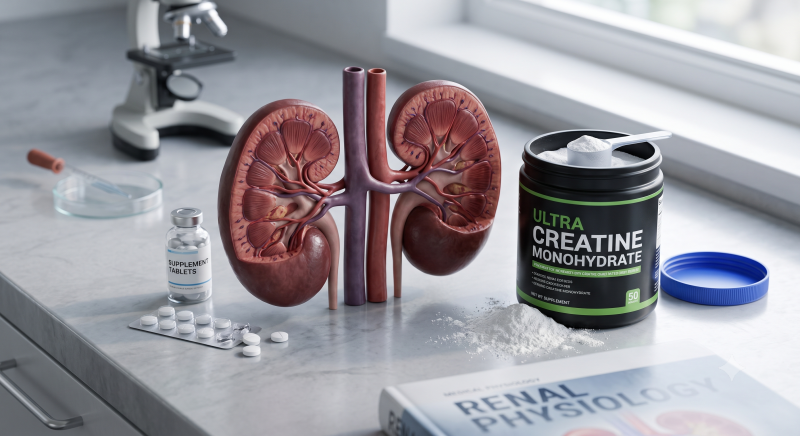
Creatine, a widely-used supplement among athletes, especially bodybuilders and those who engage in strength training, is known for enhancing physical performance and increasing muscle strength. However, its widespread use has sparked concerns about its potential impact on kidney health, raising questions about its safety and the possibility of leading to kidney damage or failure.
Despite these concerns, modern scientific research indicates that creatine does not harm the kidneys in healthy individuals when used in recommended doses. Nevertheless, some situations necessitate caution or a doctor's consultation before use.
Does Creatine Harm the Kidneys?
Most studies suggest that consuming creatine in recommended doses, typically ranging from 3 to 5 grams daily after the loading phase, does not impair kidney function in healthy adults. Creatine use may elevate blood levels of creatinine, a natural byproduct of creatine metabolism, which could alarm some individuals. However, this rise does not necessarily indicate kidney damage or dysfunction.
When Could Creatine Be Risky for the Kidneys?
The risk of complications might increase in the following scenarios:
Kidney Disease
For individuals with chronic kidney disease or decreased kidney function, creatine use may not be appropriate, as it can add strain to the kidneys or complicate test results.
High Dosage Over Extended Periods
Consuming higher doses than necessary without medical or athletic need could heighten the chance of side effects, though evidence linking high doses directly to kidney issues remains limited.
Dehydration
Inadequate hydration while taking creatine, particularly during intense exercise or in hot weather, could increase dehydration risk, negatively impacting kidney function.
Concurrent Supplement or Drug Use
Using creatine in conjunction with other medications or supplements affecting kidney function could add strain to the kidneys. It's vital to inform healthcare providers about all products being used.
Does Creatine Cause Kidney Failure?
No strong scientific evidence suggests that properly used creatine causes kidney failure in healthy individuals. Most reports correlating creatine with kidney failure are isolated cases involving other factors, such as pre-existing kidney disease, excessive dosages, or kidney-affecting medications.
How to Use Creatine Safely
To ensure safe usage, consider the following:
- Stick to the dosage advised by a healthcare professional.
- Stay well-hydrated daily.
- Purchase supplements from reputable brands.
- Avoid unnecessary high doses.
- Undergo regular check-ups if using for extended periods.
Who Should Avoid Creatine?
Consult a doctor before using creatine if you:
- Have kidney disease.
- Have a history of kidney stones or reduced kidney function.
- Are taking kidney-affecting medications.
- Suffer from chronic conditions requiring medical monitoring.
Other Side Effects of Creatine
Aside from potential impacts in specific cases, creatine might cause:
- Water retention in muscles.
- Slight weight gain.
- Mild stomach disturbances.
- Bloating or digestive discomfort.
These symptoms are typically temporary and improve with correct dosing.
Conclusion
Current scientific evidence does not suggest that creatine harms the kidneys in healthy individuals when taken in recommended amounts. However, those with kidney disease or taking medications affecting kidney function should consult their doctor before use. Following dosage guidelines, maintaining adequate hydration, and selecting trustworthy supplements ensure safe creatine use.
Also Read:
Can You Take Creatine Without Exercising?