


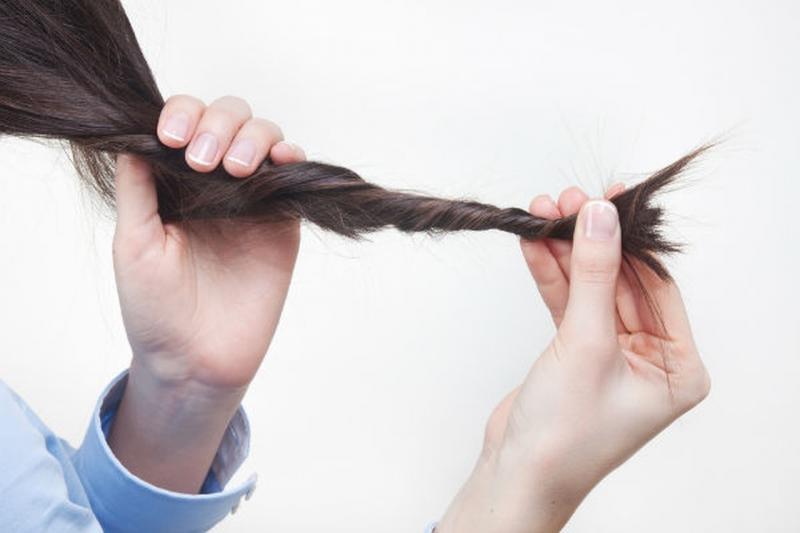
Split ends are a significant factor contributing to the weakening of hair strands, causing loss of softness and shine over time. While genetic factors and environmental conditions can affect hair health, daily bad habits are the most influential in causing split ends and breakage.
Split ends occur when the protective outer layer of hair fibers is damaged, making them more prone to dryness and splitting. Recognizing and avoiding these mistakes can help maintain strong, healthy hair and reduce the need for frequent trims.
Why Does Hair Get Split Ends?
Hair is made of keratin protein, surrounded by an outer layer that protects it from external factors. When exposed to heat, chemicals, or constant friction, this outer layer begins to lose its moisture and flexibility, resulting in split ends and breakage.
Additionally, poor hair care or using unsuitable products can intensify the problem and delay hair recovery.
Mistakes that Lead to Split Ends
1. Combing Wet Hair Aggressively
Hair is at its weakest when it is wet. Aggressively combing it increases the chance of breakage and split ends. It is advised to use a wide-tooth comb, starting from the ends and working towards the roots gently.
2. Washing Hair with Hot Water
Hot water strips away the natural oils that keep the scalp and hair moisturized, leading to dryness and increased split ends. Using lukewarm or relatively cool water is a better option for maintaining hair health.
3. Vigorously Rubbing Hair with a Towel
Many people dry hair by vigorously rubbing it, but this friction damages the hair's outer layer and increases breakage. It's better to use a microfiber towel or a soft cotton shirt, applying light pressure to absorb the water.
4. Overwashing Hair
Washing hair daily can remove the natural oils that provide moisture and protection, especially for dry or curly hair. The suitable frequency of washing depends on hair type and oil secretion levels.
5. Excessive Use of Heat Styling Tools
Frequent use of hair dryers, straighteners, or curling irons at high temperatures weakens hair fibers and damages keratin protein. It is advisable to use heat protectants and reduce the frequency of heat exposure.
6. Tight Hairstyles
Hairstyles like tight ponytails or buns put continuous pressure on hair strands, increasing breakage and hair loss over time. Opting for more flexible hairstyles and avoiding pulling hair tightly is recommended.
7. Neglecting to Trim Split Ends
Failing to trim split ends allows damage to extend upwards, making hair appear drier and weaker. Regularly trimming the ends every few weeks or months, depending on hair condition, is one of the best ways to maintain its health.
8. Overuse of Chemical Treatments
Frequent use of hair dyes, bleaching, or some chemical straightening treatments can weaken the hair structure and increase susceptibility to split ends. Instead, it's best to leave intervals between these procedures and rely on products specifically for treated hair.
9. Using Low-Quality Tools
Rough brushes, unsuitable combs, or dull scissors can tear hair ends rather than cut them cleanly. Choosing high-quality tools helps minimize damage and maintain hair appearance.
Tips to Prevent Split Ends
Reducing the likelihood of hair split ends involves following a balanced care routine, which includes using shampoo and conditioner suited to your hair type and regularly moisturizing with natural oils or nourishing masks.
Additionally, maintaining a balanced diet rich in protein, iron, zinc, and vitamins is essential since hair health begins internally. Drinking enough water also helps keep hair and scalp hydrated.
When to Consult a Doctor?
If severe hair split persists despite following a suitable care routine, or is accompanied by noticeable hair loss, itching, or scalp inflammation, it’s best to consult a dermatologist to determine the cause and receive appropriate treatment.
In conclusion, split ends are not just a cosmetic issue; they may indicate stress on hair due to wrong daily habits. By avoiding harmful practices, reducing heat use, and focusing on hydration and nutrition, hair can stay stronger and shinier, reducing split ends over time.