


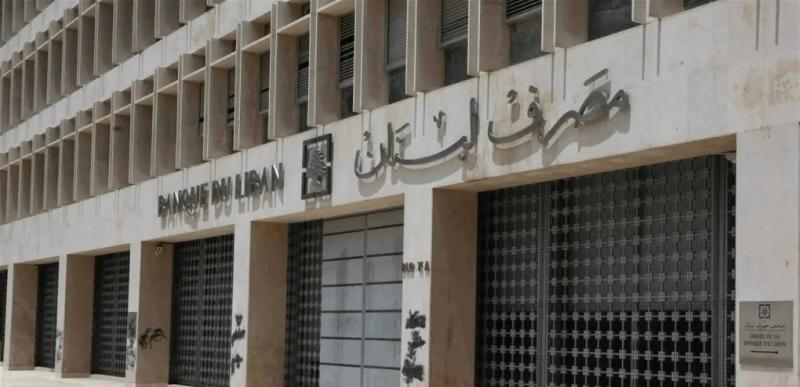
Lebanon's Central Bank has announced the launch of two new criminal lawsuits aimed at a former bank official and several ex-bank executives, as it seeks to protect the bank's assets and combat corruption. The lawsuits, filed in Lebanese courts, also include an individual who presented himself as an investor in the banking sector.
The Central Bank clarified that these actions are part of its ongoing strategy to recover misappropriated funds through all available legal means, both domestically and internationally, to restore funds to rightful owners, primarily depositors.
According to the lawsuits, the accused exploited their positions within the Central Bank or significant roles in prestigious financial institutions to orchestrate a premeditated scheme. The scheme involved diverting Central Bank funds for purposes unrelated to the bank's legal role, resulting in significant financial losses and harm to the bank's reputation and public interest.
If proven, these actions constitute fraud, breach of duty, illicit enrichment, embezzlement, and bribery, involving a coordinated criminal organization with collaborators both in and outside Lebanon aiding in the planning or concealment of these acts.
The main objective is not imposing criminal penalties, but achieving financial justice by recovering stolen funds and obtaining maximum compensation for damages sustained.
The lawsuits specifically target the individuals responsible for these acts and do not involve any commercial banks they were affiliated with.
The Central Bank reaffirms its trust in the current management of commercial banks where some defendants were employed, viewing them as key partners in banking sector reform and enhancing regulatory compliance.
The Bank concludes by reiterating its commitment to pursuing any individuals implicated in misappropriating its funds or abusing their positions for unlawful gain.
Lebanon's Central Bank Pursues Corruption in Financial Sector
Share