


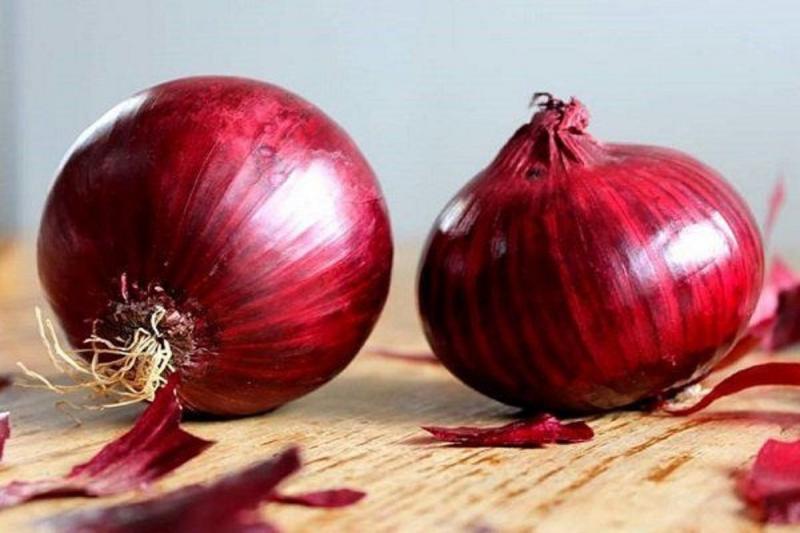
Onion-producing countries are pivotal in the global agricultural sector. Onions are widely used in kitchens around the world, contributing to thousands of dishes and food industries due to their nutritional value and ease of storage and transportation compared to other crops.
As the global population grows and demand for agricultural products rises, major countries compete to expand their production and improve crop quality. In addition, modern agricultural techniques and advanced irrigation systems have boosted onion productivity in numerous countries, enhancing global competition by 2026.
Why Are Onions Crucial Agricultural Crops?
Onions hold significant economic and nutritional importance as they are staple ingredients in most global cuisines, used fresh, dried, or in various food industries. Their relatively long shelf life facilitates international exports.
Successful onion cultivation depends on various factors, including soil quality, water availability, and suitable climate conditions. This explains why only a few countries dominate global production volumes.
The Top 10 Onion Producing Countries in 2026
1. India
India leads the world in onion production, yielding around 30.2 million tons annually. This dominance stems from large agricultural areas and multiple growing seasons, as onions are cultivated year-round in various regions. Onions are crucial for satisfying the enormous domestic market demand alongside exports.
2. China
China ranks second globally, producing about 24.5 million tons annually. The country boasts a developed agricultural infrastructure with vast areas dedicated to vegetable cultivation, employing modern technologies to enhance productivity and crop quality.
3. Egypt
Egypt stands third with nearly 3.8 million tons produced annually. Egyptian onions are known for their high quality and are in demand in global markets, particularly in Europe and Arab countries. They are a key export crop contributing to increased agricultural revenues in Egypt.
4. United States
The United States ranks fourth, producing 3.3 million tons annually. Onion farming is concentrated in climate-friendly states, where farms rely on modern techniques and mechanization to achieve high yields.
5. Turkey
Turkey ranks fifth globally with a production of about 2.6 million tons annually. Turkish onions are renowned for their quality and variety, meeting local demand and achieving a growing presence in export markets.
6. Bangladesh
Bangladesh produces approximately 2.5 million tons annually. Onions are a staple crop within the local agricultural sector. The government is working to increase production to reduce import dependency and meet growing demand.
7. Iran
Iran maintains an advanced position with a production of around 2.1 million tons annually. Farmers benefit from diverse climates across regions, allowing the cultivation of various onion varieties to meet local and regional market needs.
8. Indonesia
Indonesia produces about 2 million tons of onions annually. Onions are a fundamental ingredient in Indonesian cuisine, and the government aims to improve productivity with enhanced varieties and modern agricultural techniques.
9. Pakistan
Pakistan is ninth, yielding around 1.8 million tons annually. A significant portion of production focuses on the high-quality red onion, which is an important income source for thousands of farmers across provinces.
10. Algeria
Algeria rounds out the top 10 onion producers, with a production of about 1.8 million tons annually. Recent expansions in vegetable farming have boosted Algeria's agricultural sector, enhancing self-sufficiency and increasing output.
The Importance of Onion Production in the Global Economy
Onions are one of the most traded crops in global agricultural markets, vital to food industries, restaurants, and consumer markets daily. They also represent a primary income source for millions of farmers worldwide, supporting food security due to their easy production and storage.
The rising global demand for agricultural products motivates many countries to invest in developing production chains, storage, and transportation, ensuring reduced losses and improved crop quality.
Main Challenges Facing Onion Production
Despite continuous production growth, the onion sector faces several challenges, including climate change, high temperatures, and water shortages in some agricultural areas. Additionally, agricultural pests and plant diseases impact the quality and quantity of crops.
However, modern agricultural technologies, smart irrigation, and the use of improved seeds help mitigate these challenges and increase productivity, which major countries rely on to maintain their global market position.
The Future of Global Onion Production
Projections suggest onion production will continue to grow in the coming years, driven by increased global demand and rising consumption in emerging markets. Producing countries are also focusing on enhancing agricultural sustainability and improving water and energy use efficiency to ensure long-term food supply stability.
Moreover, digital technologies and smart agriculture are expected to play a larger role in improving farm management and production quality, enhancing the competitiveness of producing countries in global markets.
Finally, the list of top onion-producing countries in 2026 shows India and China's continued dominance in global production, with Egypt maintaining its position among top producers thanks to the quality of its crop and strong exports.
Amid rising global vegetable demand, onions will remain one of the essential agricultural crops playing a pivotal role in global food security and the agricultural economy.
See also
Top Cocoa Producing Countries