


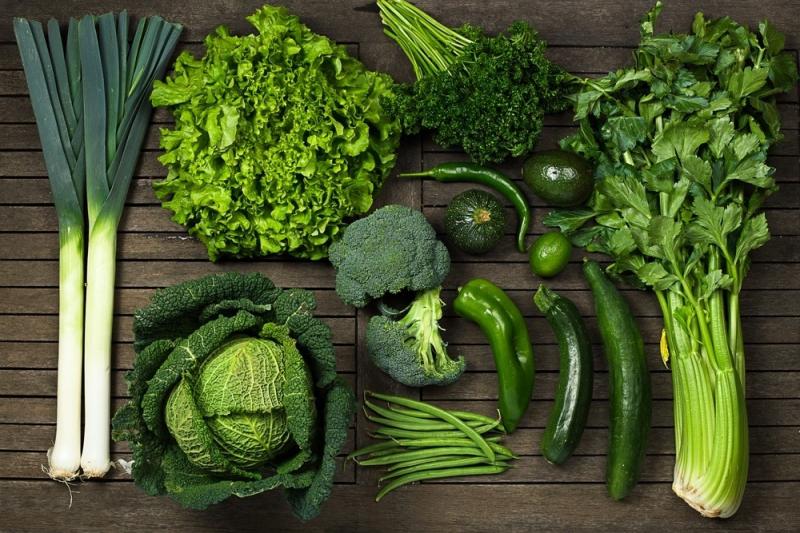
Vegetables are a perfect choice for those aiming to increase their calcium intake, whether following a plant-based diet or diversifying their calcium sources away from dairy products. Calcium is essential for maintaining strong bones and teeth, aids in muscle contractions, regulates heartbeat, and helps in nerve signal transmission.
The body's ability to absorb calcium is as important as the calcium content in foods, as factors like oxalate compounds can hinder calcium absorption.
Why Does Calcium Absorption Vary Among Vegetables?
Some leafy greens are high in oxalates, which bind to calcium in the digestive system and reduce its absorption.
Top 10 Calcium-Rich Vegetables
1. Kale
Kale is one of the best plant-based calcium sources, offering around 180 mg per cooked cup. Low in oxalates, it allows great calcium absorption, also supporting bone health due to its Vitamin K and C content.
2. Bok Choy
Cooked bok choy provides approximately 160 mg of easily absorbable calcium per cup due to its low oxalate content, alongside antioxidants and fiber.
3. Okra
Cooked okra contains about 120 mg of calcium per cup, plus fiber and Vitamin C, supporting bone and digestive health.
4. Broccoli
A cup of cooked broccoli provides roughly 60 mg of calcium and is rich in Vitamin C, bolstering immune function and collagen production for healthy bones and joints.
5. Arugula
Chopped arugula offers about 40 mg of calcium per cup, along with Vitamin K and antioxidants that support heart and bone health.
6. Green Beans
Green beans contribute to daily calcium intake and are rich in essential vitamins and minerals, fitting easily into diverse meals.
7. Spinach
Spinach is known for its high calcium content, but its high oxalate levels can limit calcium absorption, yet it's still an excellent source of iron and folic acid.
8. Swiss Chard
Swiss chard is mineral-rich, including calcium, but also high in oxalates; cooking can help lower its oxalate content slightly.
9. Collard Greens
Collard greens offer a good amount of calcium with relatively low oxalate content, providing Vitamin A, K, and dietary fiber.

10. Turnip Greens
Turnip greens are rich in absorbable calcium, containing antioxidants and nutrients that support bone and immune health, suitable for a plant-based diet.
Low Oxalate vs. High Oxalate Vegetables
Low Oxalate Vegetables
Include kale, bok choy, broccoli, arugula, and collard greens. They are the best options for calcium because they allow better absorption.
High Oxalate Vegetables
Like spinach and Swiss chard, these have higher calcium levels, yet lower absorption due to oxalate binding.
Benefits of Calcium-Rich Vegetables
Regular consumption of calcium-rich vegetables offers health benefits like:
- Supporting bone and dental health.
- Reducing osteoporosis risk.
- Facilitating natural muscle contractions.
- Aiding nerve functions.
- Maintaining heart rhythm regularity.
- Providing crucial antioxidants, fiber, and vitamins.
How to Enhance Calcium Absorption from Vegetables
Improve calcium uptake by:
- Adequate Vitamin D intake.
- Regularly consuming low oxalate greens.
- Diversifying calcium sources.
- Maintaining a balanced diet with protein and magnesium.
- Avoiding excessive sodium to reduce calcium loss through urine.
If calcium deficiency or supplementation is suspected, consulting a doctor is advisable.
In conclusion, calcium-rich vegetables are crucial for a healthy diet, especially for those with limited dairy intake. Achieving balanced nutrition with ample Vitamin D can enhance bone health and reduce long-term calcium deficiency risks.
See Also
What is the Most Dangerous Symptom of Calcium Deficiency?