


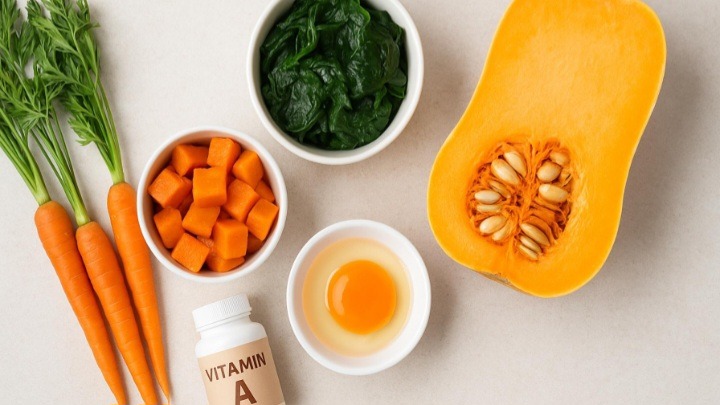
Vitamin A, a fat-soluble vitamin, is vital for many bodily functions including maintaining good vision, supporting the immune system, and contributing to skin health. It is found in both animal and plant sources, making it accessible through a balanced diet for most people.
This article explores the top 10 benefits of Vitamin A, its primary dietary sources, deficiency symptoms, and tips for healthy consumption.
Top 10 Benefits of Vitamin A: Why It's Essential for Body Health
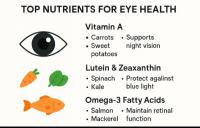
1. Supports Eye Health and Vision
Vitamin A plays a crucial role in eye health, contributing to the formation of visual pigments necessary for vision, particularly in low light. It also helps maintain a healthy cornea.
2. Boosts the Immune System
Vitamin A supports the immune system and the health of mucous membranes, the first defense line against various pathogens.
3. Maintains Skin Health
Vitamin A is essential for skin cell growth and renewal, making it a common ingredient in skincare products. It also helps keep the skin looking healthy.
4. Promotes Cell Growth
It is crucial for cell division and growth, necessary for body growth and tissue regeneration.
5. Enhances Hair Health
Vitamin A supports scalp health and natural oil production, keeping hair moisturized. However, excessive intake can have adverse effects.
6. Contributes to Bone Health
It is involved in bone growth and development. Moderate intake is recommended to maintain nutritional balance.
7. Supports Reproductive Health
Vitamin A is involved in reproductive processes for both men and women and fetal development during pregnancy within recommended needs.
8. Maintains Mucous Membrane Health
It helps maintain the respiratory, digestive, and urinary tracts' lining, supporting their normal functions.
9. Assists in Child Growth
Vitamin A is vital for children's normal growth, assisting in cell and bone development, and the function of various body systems.
10. Protects Against Oxidative Stress
Certain forms of Vitamin A, like beta-carotene, have antioxidant properties that protect cells from free radical damage.
Best Natural Sources of Vitamin A

Vitamin A can be obtained from various foods, including:
- Liver
- Carrots
- Sweet potatoes
- Spinach
- Pumpkin
- Red peppers
- Egg yolks
- Dairy products
- Apricots
- Mangoes
Vitamin A Deficiency Symptoms

Vitamin A deficiency can lead to various symptoms, including:
- Poor night vision
- Dry eyes
- Dry skin
- Frequent infections
- Slow wound healing
- Delayed growth in children
Is Excessive Vitamin A Intake Harmful?
Yes, high doses from supplements over extended periods can cause side effects and health complications. Therefore, supplements should only be used on medical advice, especially during pregnancy, as high doses can harm the fetus.
Tips for Healthy Vitamin A Consumption
To make the most of Vitamin A:
- Regularly consume colorful fruits and vegetables.
- Diversify food sources.
- Eat foods with healthy fats to enhance vitamin absorption.
- Do not use supplements without consulting a doctor.
- Adhere to recommended daily needs.
Conclusion
The top 10 benefits of Vitamin A illustrate its importance in eye, skin, immune health, and overall growth. While easily accessible through a balanced diet, moderation is key to avoiding health issues. A varied diet rich in natural Vitamin A sources is the best way to maintain body health.
See Also
Best Foods to Address Vitamin A Deficiency