


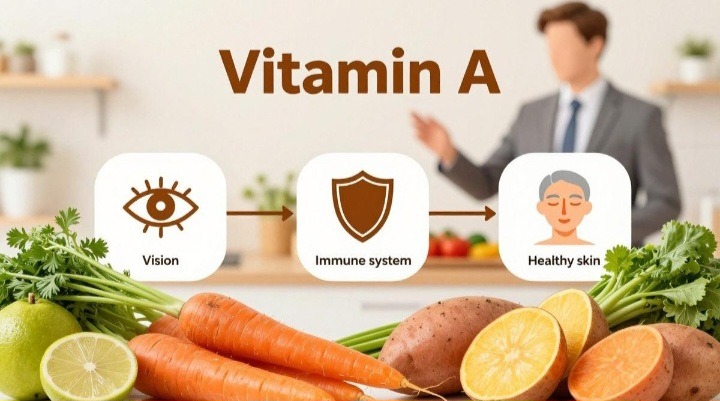
Vitamin A, a fat-soluble vitamin, plays a crucial role in numerous body functions, from supporting vision to maintaining healthy skin and immune system functionality. Consuming adequate amounts daily is necessary for normal growth and the efficient performance of various bodily systems.
Its significance lies in cell growth, tissue integrity maintenance, and supporting many vital processes that improve overall health.
The Greatest Benefits of Vitamin A
1. Maintaining Eye Health
Vitamin A is essential for normal vision as it helps form light-sensitive pigments in the retina and maintain corneal health, reducing dry eye risk due to deficiency.
2. Strengthening the Immune System
By maintaining the integrity of mucous membranes in respiratory and digestive systems, Vitamin A acts as the first line of defense against pathogens.
3. Improving Skin Health
Vitamin A aids in skin cell renewal and elasticity, frequently found in skincare products to enhance skin appearance.
4. Supporting Cell Growth
Vital for cell division and growth, Vitamin A is crucial for body development and natural tissue regeneration.
5. Enhancing Hair Health
Vitamin A helps maintain scalp health and produce natural oils that keep hair moisturized and shiny, though excessive intake should be avoided.
6. Contributing to Bone Health
It participates in bone growth and development, forming part of a balanced diet that supports the skeletal system.
7. Supporting Reproductive Health
Vitamin A plays a role in reproductive functions and fetal development during pregnancy, within recommended amounts.
8. Maintaining Mucous Membrane Health
This vitamin helps maintain the lining of respiratory, digestive, and urinary systems, supporting their normal functions.
9. Supporting Children's Normal Growth
Essential for proper growth and the development of tissues and bones in children, along with supporting their immune system.
10. Antioxidant Properties
Beta-carotene, a plant-based form of Vitamin A, provides antioxidant properties that protect cells against free radical damage.
Best Sources of Vitamin A
You can obtain Vitamin A by consuming:
- Carrots
- Sweet potatoes
- Spinach
- Liver
- Egg yolk
- Milk and dairy products
- Red peppers
- Mango
- Apricots
- Pumpkin
Symptoms of Vitamin A Deficiency
Lack of Vitamin A may lead to symptoms such as:
- Night vision impairment
- Dry eyes
- Dry skin
- Weak immunity
- Slow wound healing
- Stunted growth in children
Is Excessive Vitamin A Intake Harmful?
Despite its importance, excessive Vitamin A supplements can cause health issues. It is advised not to exceed recommended doses and to consult a physician before use, especially during pregnancy.
Tips for Getting Vitamin A
To obtain the appropriate amount of Vitamin A:
- Regularly eat colorful fruits and vegetables
- Maintain a balanced diet
- Consume healthy fat sources to aid absorption
- Use supplements only when necessary and under medical supervision
- Keep a diverse food source
Conclusion
The benefits of Vitamin A highlight its importance in maintaining eye health, supporting the immune system, and enhancing skin and bone health. Additionally, it plays a role in cell growth and preventing nutritional deficiencies. Most individuals can meet their daily needs through a balanced diet rich in vegetables, fruits, and natural foods, avoiding excess supplements unless medically indicated.
Also See
Best Foods to Treat Vitamin A Deficiency