


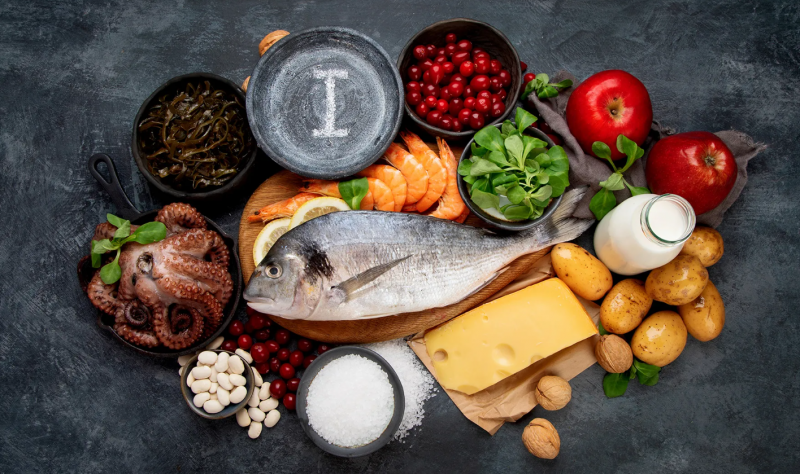
Iodine is an essential mineral required by the body in small quantities, yet it plays a significant role in the production of thyroid hormones responsible for regulating metabolism, supporting growth, and maintaining brain and nerve functions. Therefore, maintaining normal iodine levels is crucial for both children and adults, especially pregnant and nursing women.
If iodine levels drop, thyroid functions may suffer, leading to symptoms like fatigue, weight gain, feeling cold, and dry skin. Fortunately, iodine levels can often be increased by adjusting the diet or using supplements under medical supervision.
How to Increase Iodine Levels in the Body?

1. Use Iodized Salt
Iodized salt is one of the easiest and most important sources to meet daily iodine needs. However, it should be used in moderation as excessive salt intake may increase the risk of high blood pressure and heart disease.
2. Eat Fish and Seafood
Sea fish are rich natural sources of iodine, including cod, tuna, salmon, and sardines. Some shellfish and shrimp also contain significant iodine levels.
3. Consume Dairy Products
Dairy products provide suitable amounts of iodine, including milk, yogurt, and cheese, with iodine content varying by product type and production method.
4. Eat Eggs
Eggs are a good source of iodine, especially yolks, in addition to providing protein and many vitamins and minerals.
5. Consume Seaweed with Caution
Seaweeds like nori, wakame, and kombu are among the richest natural sources of iodine. However, they should not be consumed excessively as some types contain very high iodine levels, potentially affecting thyroid function.
6. Follow a Balanced Diet
Diversifying food sources helps in obtaining sufficient iodine and other nutrients that support thyroid health.
Symptoms of Iodine Deficiency
Symptoms can vary depending on the severity of the deficiency, including:
- Fatigue and exhaustion.
- Unexplained weight gain.
- Constant feeling of cold.
- Dry skin.
- Hair loss.
- Slow heart rate.
- Difficulty concentrating.
- Swollen neck due to thyroid enlargement in some cases.
Who is at Higher Risk of Iodine Deficiency?

The risk of iodine deficiency increases for:
- People who do not use iodized salt.
- Pregnant and nursing women.
- Individuals avoiding fish and dairy products.
- Those living in areas with iodine-deficient soil.
- Those with certain thyroid disorders or diseases affecting nutrient absorption.
Are Iodine Supplements Necessary?
Most people don’t need iodine supplements if they obtain necessary amounts from their diet. However, in cases of confirmed deficiency or increased needs, a doctor may recommend iodine supplements in specific doses, as excessive intake can be harmful and may lead to thyroid dysfunction.
Tips for Maintaining Normal Iodine Levels
- Use iodized salt in moderation.
- Regularly consume sea fish.
- Incorporate milk, yogurt, and eggs into your diet if no health restrictions apply.
- Avoid taking iodine supplements without consulting a doctor.
- Consult a doctor if symptoms indicating thyroid disorders appear.
See Also:
What are the Symptoms of Iodine Deficiency?
Thyroid Disorder Symptoms in WomenSigns of Vitamin Deficiency from Face and Body Appearance