


Political sources converge on the consensus that the Lebanon-Israel 'framework agreement' urgently requires a U.S.-backed boost to guide it through the current impasse and towards implementation. The agreement aims to secure Israel’s commitment to facilitate the Lebanese Army's deployment in strategic areas, some of which are beyond the yellow line.
Sources indicate the necessity of revising some clauses of the agreement, ensuring this is part of a phased implementation overseen by U.S. mediation. This process is currently treated as a discussion agenda.
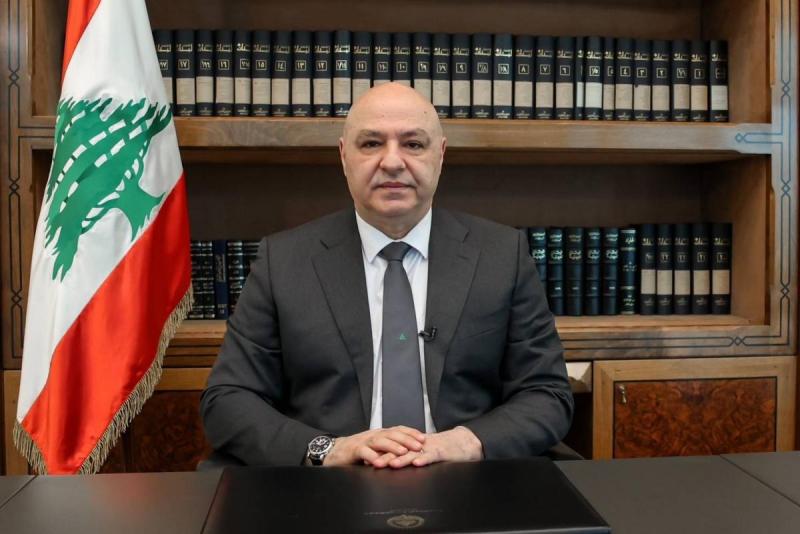
Reported by 'Asharq Al-Awsat', key political insiders suggest that Lebanese President Michel Aoun’s forthcoming meeting with U.S. President Donald Trump could serve as a crucial juncture for securing necessary American pressure on Israel. The goal is not just to mitigate tensions but also to aid the Lebanese military’s strategic deployment.
Anticipated Sixth Round
The upcoming sixth round of Lebanon-Israel negotiations, scheduled for July 15-16 in Rome, is critical. Following notification from U.S. officials, Aoun confirmed Lebanese participation to Lebanon's Ambassador to the U.S., Neda Hamadeh Ma’awad, raising questions about whether military deployment can precede this round.
Sources urge Washington to compel Israel towards swift action in declared trial regions to reinforce U.S. credibility. This recommendation is founded on discussions held by U.S. Central Command's Admiral Brad Cooper with Israeli officials, focusing on minimizing military tensions to enable army deployment.
Cooper, upon his return to Beirut, was informed by General Joseph Cleerfield and Army Commander General Rudolph Haikal about Lebanon's readiness, emphasizing the urgency for the U.S.’s assistance.
Concerns Over Iran
Despite the focus on Lebanon-Israel matters, Trump's declaration of the end of the 'memorandum of understanding' with Iran raises unease about potential escalations and their implications for Lebanon.
This separation of Lebanese and Iranian agendas demands proactive U.S. involvement to fortify Aoun against domestic political challenges, ensuring Israel retreats from contested southern regions, which may weaken the leverage of the 'Shiite duo' reliant on an Islamabad solution.
Calls for diplomatic reparations between former Progressive Socialist leader Walid Jumblatt, Aoun, and Prime Minister Nawaf Salam also surface amid rare interaction between the latter two.
Implementation of the Framework
Sources supporting direct Lebanese-Israeli negotiations recognize the need for pragmatic application of the 'framework agreement' alongside U.S.-endorsed adjustments. The aim is to decouple it from the overarching U.S.-Iran dialogue, especially after Trump's abrogation, aligning this with Lebanese interests for true bidirectional progress.
U.S. pledges—received by Aoun through Trump and Secretary Marco Rubio—demand translation into action, potentially challenging the 'Shiite duo'. This move could kickstart talks between Aoun and Nabih Berri, considering the memorandum is now in a near-defunct state unless unforeseen Iranian concessions occur.
Jumblatt Observations
Concerns echo Jumblatt's critique of the 'framework agreement' for omitting the 1949 armistice agreement and phased Israeli withdrawal. Despite common ground with Berri, Jumblatt maintains his distance from the 'duo', advocating the isolation of Lebanese decisions from Iran’s influence and supporting Hezbollah's disarmament.
In summary, Lebanon faces crucial developments in the coming weeks, with the outcome of the sixth negotiation round preceding the imminent U.S. visit by Lebanese officials. The strategic direction here may redefine U.S.-Lebanon relations amidst Hezbollah’s anticipated response to Trump’s Iran memoranda termination.
Lebanon-Israel Framework Agreement Needs U.S. Intervention As President Aoun Prepares to Meet Trump
Share