


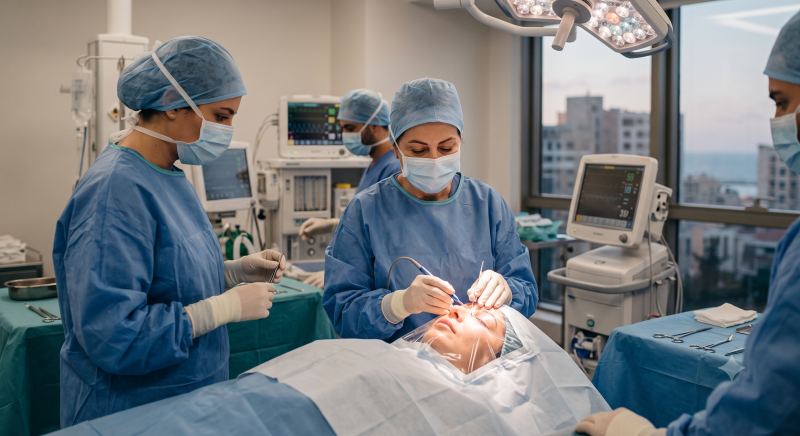
Lebanon has gained a significant reputation in the field of cosmetic medicine over the past decades, becoming a destination for many seeking surgical or non-surgical aesthetic procedures. This is attributed to the presence of experienced specialists and modern techniques in hospitals and medical centers that align with global medical standards.
However, when it comes to the question, "Are cosmetic surgeries in Lebanon safe?" the answer is not absolute. The level of safety varies from one case to another, depending on the surgeon's expertise, hospital facilities, and the patient’s health condition, as well as adherence to medical instructions before and after surgery.
Generally, cosmetic procedures in Lebanon can be safe when performed by a qualified and licensed cosmetic surgeon in an accredited hospital or medical center that follows safety and infection control standards. Lebanon hosts a number of renowned regional cosmetic surgeons, and some medical centers even receive patients from abroad for various operations, reflecting the development of this sector.
Nonetheless, any surgical procedure, regardless of its simplicity, involves potential risks, and results cannot be guaranteed 100%.
What Makes Cosmetic Surgeries Safe?
Selecting a Qualified Cosmetic Surgeon
Choosing the right physician is crucial to the operation’s success. It is advised to ensure the surgeon has official licensing, specialization in cosmetic surgery, and documented experience in the required procedure type.
Conducting the Procedure at an Accredited Hospital or Center
Accredited hospitals and medical centers apply clear safety and sterilization protocols and provide medical teams and equipment to handle any emergency complications, thereby increasing safety compared to procedures conducted in unqualified places.
Pre-Operative Medical Evaluation
This includes reviewing medical history, conducting necessary lab tests, evaluating overall health, and ensuring no medical contraindications increase surgical risks.
Adherence to Post-Operative Instructions
The recovery phase significantly impacts the operation's success, requiring regular doctor visits, medication adherence, and avoiding strenuous activities to minimize complications.
Popular Cosmetic Surgeries in Lebanon
The cosmetic sector in Lebanon sees a wide range of procedures, such as Rhinoplasty, Face and Eyelid Lifts, Breast Augmentation or Reduction, Liposuction and Body Contouring, and Non-Surgical Procedures like Botulinum and Filler Injections, Laser Treatments. These are popular due to shorter recovery periods compared to surgical interventions.
What Are the Potential Risks?
As with any surgical intervention, cosmetic surgeries carry potential complications including bleeding, infection, swelling and bruising, delayed wound healing, dissatisfaction with the final result, and the necessity for corrective surgery in some cases. The likelihood of these complications depends on the operation type, the patient’s health, and compliance with medical instructions.
How to Choose the Right Doctor?
Prior to making a decision, it is advised to:
- Ensure the doctor is licensed and specialized in cosmetic surgery.
- Review the doctor’s experience with the specific procedure.
- Discuss potential benefits, risks, and expected outcomes clearly.
- Inquire about the procedure location and its facilities.
- Avoid making a decision based solely on cost.
Does Low Cost Imply Lower Quality?
Not necessarily, though unusually low prices warrant further verification of the doctor’s experience, the medical center’s equipment, and material quality, especially in non-surgical procedures.
Is Lebanon a Destination for Medical Tourism?
Lebanon has attracted patients from the Arab region for cosmetic surgeries owing to the expertise of its doctors and the variety of medical services. However, selecting the appropriate doctor and verifying medical credentials is of utmost importance over the choice of the country.
See Also: