



Irritable Bowel Syndrome (IBS) is a prevalent disorder affecting the digestive system, presenting with episodes of varying severity and duration. In certain cases, the symptoms can impact diet, sleep, and daily activities.
IBS is not limited to abdominal pain alone. It may also involve changes in bowel movements and a range of other digestive symptoms. So, what are the key signs indicating IBS?
IBS Symptoms:
1. Abdominal Pain and Cramps
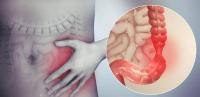
Abdominal pain is a common symptom of IBS, which may manifest as cramps or varying intensities of discomfort.
The pain is often related to bowel movements, potentially improving after defecation for some individuals while worsening at other times.
The location and intensity of the pain can differ from person to person, with symptoms changing over time.
2. Changes in Bowel Habits
IBS can lead to noticeable changes in bowel habits, including constipation, diarrhea, or alternating between the two.
Individuals may notice alterations in the nature or frequency of their bowel movements, persisting regularly for some.
As a result, IBS is sometimes classified according to the predominant symptom pattern, such as constipation-predominant or diarrhea-predominant IBS.
3. Bloating
Bloating is a frequent symptom among IBS sufferers, who may feel fullness or pressure in the abdomen, especially after eating certain foods.
The foods causing bloating vary per individual, so keeping a food and symptom diary can help identify problem foods.
4. Increased Gas
IBS may involve an increase in gas production or a heightened need to release it.
This issue may be linked to changes in digestive movement or heightened gut sensitivity, with some foods and drinks exacerbating gas production in certain individuals.
5. Incomplete Bowel Movements
Some may feel like their bowel movements are incomplete even after using the restroom.
This feeling is evident in certain IBS patients, particularly with constipation-predominant IBS.

Do IBS Symptoms Vary Between Individuals?
Yes, symptoms vary from one person to another and can change over time for the same individual.
Symptoms might be mild sometimes then intensify at other times, with exacerbation possibly linked to stress, certain foods, or lifestyle changes.
Therefore, no single diet suits all IBS patients, as triggers differ per case.
Symptoms That Shouldn't Be Ignored
While IBS is common, not all symptoms should be assumed to be due to it, especially if they are new, severe, or persistent.
Signs warranting medical consultation include:
- Presence of blood in stool.
- Unexplained weight loss.
- Fever.
- Frequent vomiting.
- Severe or increasing abdominal pain.
- Anemia.
- New symptoms in older age.
- Family history of digestive diseases.
These signs need medical evaluation as they might indicate issues different from IBS.
How is IBS Diagnosed?
IBS diagnosis does not rely on a single test; doctors consider the nature, duration, and pattern of symptoms, conducting tests if needed to rule out other conditions.
Diagnosis should not rely solely on abdominal pain or bloating, especially with atypical symptoms.
How to Relieve IBS Symptoms?
Certain lifestyle changes can alleviate symptoms for many individuals.
Regulating Meals
Eating at regular intervals and avoiding overeating can help reduce some digestive symptoms for certain individuals.
Identifying Trigger Foods
Some foods can exacerbate bloating, pain, or diarrhea for some individuals. Keeping a food and symptom diary can help identify personal triggers.
Appropriate Fiber Intake
Fiber can help improve constipation for some, but a sudden increase may worsen gas and bloating, so gradual introduction is advised.
Engaging in Physical Activity
Regular physical activity supports digestive movement and overall health.
Managing Stress
Stress can worsen IBS symptoms for some. Relaxation techniques, regular sleep, and physical activity may help control symptoms.
See Also:
What Causes Persistent Abdominal Bloating?
Causes of Lower Abdominal Pain in Women?
Why Does Weight Increase in the Abdominal Area Only?