


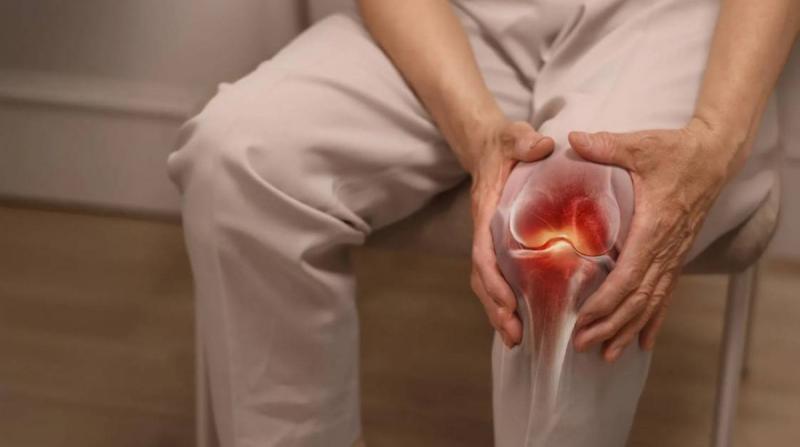
The knee, a joint that endures a large share of body weight, plays a crucial role in activities such as walking, running, climbing stairs, and engaging in daily activities. As a result, it is one of the most prone joints to stress and injury.
Knee pain can be temporary, alleviated by rest, or it may signal a health issue requiring medical evaluation and appropriate treatment.
Knee pain is not exclusive to the elderly; it can affect young people, athletes, and children as well, due to injuries, overuse, or certain inflammatory conditions. Identifying the exact cause of the pain aids in selecting the proper treatment and avoiding complications.
Common Causes of Knee Pain
Knee pain arises from various causes, and these may vary depending on age, lifestyle, and health condition. Key causes include:

Osteoarthritis of the Knee
Osteoarthritis or degenerative joint disease is a common cause of knee pain, particularly in older adults, occurring due to the wear and tear of cartilage covering bone ends, leading to pain, stiffness, and difficulty moving.
Ligament Injuries
Injuries such as ACL tears or lateral ligament injuries can cause severe pain and joint instability, often seen in athletes or from accidents and falls.
Meniscal Tear
The meniscus absorbs shock within the knee and can tear from sudden twists, violent motions, or aging, resulting in pain, swelling, and difficulty bending the knee.
Tendonitis
Over-exercising or repetitive motion can inflame the tendons around the knee, especially the patellar tendon, causing pain that increases with movement or climbing stairs.
Bursitis
The knee contains fluid-filled sacs, known as bursae, that reduce tissue friction. Inflammation from repeated pressure or injury leads to pain and swelling.
Rheumatoid Arthritis
An autoimmune disorder that can affect the knees, causing pain, swelling, and stiffness, particularly in the morning.
Gout
Accumulation of uric acid crystals within a joint can lead to gout, causing severe, sudden pain with redness and swelling in the knee or other joints.
Fractures and Direct Injuries
Falls, accidents, or strong impacts can fracture knee bones or the patella, causing sharp pain and requiring urgent medical evaluation.
Weight Gain
Excess weight increases pressure on the knee joint, raising the risk of developing osteoarthritis and joint inflammation over time.
Symptoms of Knee Pain

Pain
Pain can range from mild to severe, occurring during movement or even at rest, depending on the cause.
Swelling
Knee swelling is a common symptom, especially in cases of inflammation or injury.
Stiffness
The knee may feel difficult to move, particularly after waking or sitting for long periods.
Redness and Heat
Red skin or heat in the knee may indicate inflammation needing medical assessment.
Difficulty Walking
Severe pain or joint instability can hinder walking or standing for long periods.
When to See a Doctor?
Medical attention should be sought if any of the following occurs:
Severe Pain After Injury
This could indicate a fracture or ligament or cartilage tear.
Inability to Bear Weight
If standing or walking becomes impossible due to pain, consulting a doctor is necessary.
Severe Swelling or Knee Deformity
These may suggest a major injury or acute inflammation.
Fever with Knee Pain
A combination of fever and knee pain might signal a joint infection needing prompt treatment.
Persistent Pain
Continuous or recurring pain despite rest warrants a medical evaluation.
Diagnosing Knee Pain
Diagnosis relies on medical history, a clinical exam, and possibly additional tests like:
X-rays
Useful in identifying fractures or joint degeneration.
MRI
Assesses ligaments, cartilage, tendons, and soft tissues.
Blood Tests
Conducted if inflammatory or autoimmune diseases or gout are suspected.
Also see: Benefits of Collagen for Joints
Best Abdominal Tightening Exercises Causes of Sudden Joint Pain in Youth