


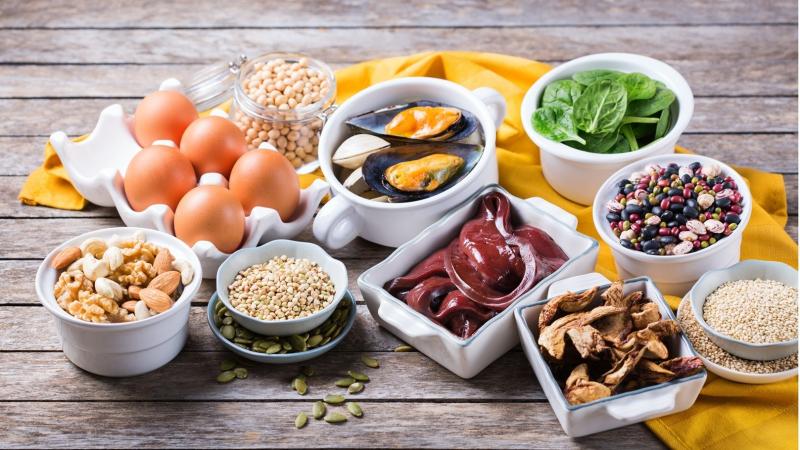
Iron plays a pivotal role in various bodily functions, contributing to the formation of red blood cells, supporting the immune system, and aiding in energy production.
A deficiency in iron can lead to iron-deficiency anemia, one of the most common types of anemia globally. While iron supplements may be necessary in certain cases, diet remains the first line of defense for maintaining iron levels, especially in individuals who do not have severe deficiencies. It's always advisable to consult with a physician before taking supplements, as excess iron can be harmful.
Top Foods to Boost Iron
Liver
Liver, particularly beef and chicken liver, is one of the richest sources of iron. It also contains vitamin B12 and folic acid, which are essential for red blood cell formation. However, it should be consumed in moderation, especially by pregnant women or those who need to reduce vitamin A intake.
Red Meat
Lean red meat is an excellent source of heme iron, which is absorbed more efficiently by the body compared to the iron found in plant sources. It also provides protein, zinc, and vitamin B12, making it a well-rounded dietary choice.
Shellfish and Seafood
Shellfish and certain types of seafood, such as mussels and sardines, offer good amounts of iron, along with omega-3 fatty acids and other minerals.
Poultry
Chicken and turkey provide moderate amounts of iron, especially in dark meat, and can be a suitable choice in a balanced diet.
Spinach
Spinach is a well-known vegetable rich in iron, along with vitamin C, antioxidants, and folic acid. Although its iron is non-heme, consuming it alongside vitamin C sources can enhance absorption.
Lentils
Lentils are an excellent plant-based source of iron and are rich in plant protein and fiber, making them a suitable option for vegetarians.
Chickpeas and Beans
Legumes such as chickpeas, beans, and lentils hold significant iron content and can easily be incorporated into various daily meals.
Pumpkin Seeds
Pumpkin seeds offer a good amount of iron, along with magnesium, zinc, and healthy fats.
Sesame Seeds and Tahini
Sesame seeds and tahini are good plant-based sources of iron and can be added to salads, sandwiches, or a variety of dishes.
Nuts
Almonds, cashews, and pistachios contain moderate amounts of iron, in addition to healthy fats, protein, and fiber.
Iron-Fortified Cereals
Some breakfast cereals, oatmeal, and grain products are fortified with iron, helping to increase daily intake, particularly for children and other groups.
Dried Fruits
Raisins, dried apricots, and prunes contain good amounts of iron and can be consumed as a snack within a balanced diet.
How to Enhance Iron Absorption from Food
Include Vitamin C with Meals
Vitamin C helps improve the absorption of non-heme iron found in plant sources. Excellent sources include:
- Oranges
- Lemons
- Kiwi
- Strawberries
- Guava
- Bell peppers
- Tomatoes
Combine Animal and Plant Sources
Consuming meat or poultry with legumes or iron-rich vegetables can enhance iron absorption from the meal.
Cooking in Iron Utensils
In some instances, cooking with iron cookware can increase the iron content of food, particularly acidic foods like tomato sauce.
Is Food Alone Enough to Treat Iron Deficiency?
This depends on the severity of the deficiency. In mild cases, a diet rich in iron may gradually improve levels. However, in cases of iron-deficiency anemia or severe deficiency, a doctor may recommend iron supplements or appropriate treatment while also investigating the underlying cause of the deficiency.
See also: