


Commercial ships are fundamental to the global economy. Over 80% of international trade volume relies on maritime transport. Hence, major nations continually develop their commercial fleets to ensure swift goods transportation, reduce costs, and enhance their competitiveness in global markets.
By 2026, the ranking of countries owning commercial ships isn't based solely on ship numbers. It also considers fleet financial value, total tonnage, and specialized ship types like oil tankers, container ships, and LNG carriers. Therefore, some nations top the list due to their fleet size, while others excel in investment value and global impact.
Why Do Some Countries Have Huge Commercial Fleets?
Maritime transport plays a crucial role in global economic movement. Industrial and trade countries invest billions in building and purchasing modern ships. Some rely on geographical advantages or engage in international ship registration, gaining large numbers of ships under their flags.
Furthermore, owning a vast commercial fleet offers strategic advantages: securing supply chains, reducing reliance on foreign companies, and increasing revenues from maritime services.
Top 10 Countries with the Largest Commercial Fleets
1. Indonesia
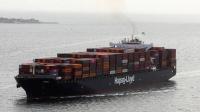
Indonesia leads by the total number of commercial ships, boasting around 11,422 vessels, due to its geography with over 17,000 islands, making maritime transport essential for connecting cities and islands.
The Indonesian economy heavily depends on domestic shipping and transporting raw materials and goods between islands, forming one of the largest commercial fleets globally.
2. China
China ranks second with about 8,314 ships but tops globally in the fleet's economic value, exceeding $255 billion. China's dominance isn't only in numbers; it holds the largest fleets of oil tankers and bulk cargo and container ships, reflecting its status as the world's top exporter.
3. Panama
Panama, with approximately 8,174 ships, thanks to its famous "flag of convenience" system, allows international companies to register their ships under the Panamanian flag with flexible procedures, becoming a major registry for commercial ships despite most being foreign-owned.
4. Japan
Japan is fourth with around 5,229 ships and one of the highest valued fleets globally. Japanese firms excel by investing in specialized ships like LNG carriers and car carriers, maintaining a strong position in international maritime trade.
5. Liberia
With about 4,821 ships, Liberia is a top destination for foreign ship registrations due to its flexible system and competitive fees, attracting thousands of ships from around the world, making it one of the largest registries by ship count.
6. Greece
Though not as numerous as others, Greece is a major maritime power by fleet tonnage, owning the largest share of major oil tankers and investing heavily in gas and bulk cargo vessels, granting significant global influence.
7. Singapore
Singapore maintains its maritime status due to its strategic position at one of the world's busiest sea routes and highly active ports, encouraging shipping companies to register their vessels there, benefiting from advanced logistics and infrastructure.
8. Hong Kong
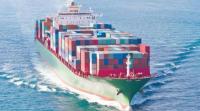
Hong Kong has one of Asia's largest commercial ship registries, benefiting from its role as a global financial and logistics hub, with numerous international shipping companies opting to register and manage their operations there, boosting its fleet size.
9. South Korea
Known as one of the world's top shipbuilders, South Korea has a modern, advanced fleet and relies on maritime transport for exporting cars, electronics, steel, and industrial products, crucial for its growing commercial fleet.
10. Norway
Ending the list, Norway boasts advanced fleets with specialized ships for oil and gas transport and marine energy services, heavily investing in smart, low-emission vessels, making them leaders in sustainable maritime transport.
The Importance of Commercial Fleets for the Global Economy
Commercial fleets are the backbone of international trade, transporting raw materials, industrial products, food, and energy across continents, stabilizing global supply chains, reducing shipping costs, and spurring economic growth.
Simultaneously, investing in modern, eco-friendly ships has become a key competitive factor among countries, especially with tightening international regulations on carbon emissions.
How Might Countries' Rankings Change in the Future?
Forecasts suggest China will continue to enhance its standing as the top maritime power economically, while Indonesia will maintain its numerical lead due to vast domestic needs.
In contrast, Greece, Japan, and South Korea are expected to continue investing in high-value specialized ships, with countries like Singapore and the UAE potentially seeing increased growth due to port expansions and logistics projects.
In conclusion, the 2026 ranking of the world's largest ship-owning countries shows that maritime power is no longer measured just by ship numbers but also investment value, tonnage, fleet type, and technology used.
With ongoing international trade growth, maritime transport remains one of the main indicators reflecting economic power and competitiveness in global markets.
Also see:
Countries Leading in Potash Production