


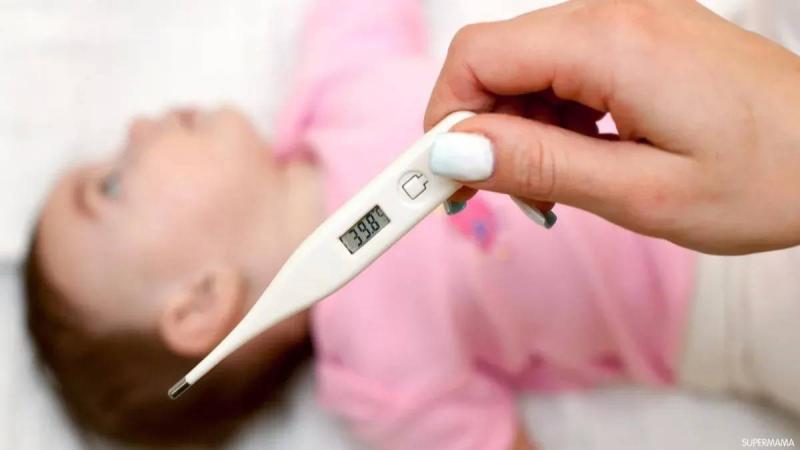
The causes of fever in children are topics that frequently concern parents, especially when their child's temperature rises unexpectedly. Fever, in reality, is not a disease itself, but rather a sign that the immune system is actively fighting an infection, inflammation, or another internal stimulus.
In most cases, fevers are temporary and improve with treatment of the underlying cause. However, some situations require medical attention, particularly if the fever is very high, persists for several days, or is accompanied by alarming symptoms.
When is a Child Considered to Have a Fever?
A child is considered to have a fever when their body temperature reaches 38 degrees Celsius or more when measured accurately, such as using a digital thermometer rectally for infants or orally, aurally, or under the arm for older children.
Additionally, attention should be given to the child's overall condition, as their activity and behavior may be more important than the temperature reading on its own.
Main Causes of Fever in Children

1. Viral Infections
Viral infections are the most common cause of fever in children. These include:
- The common cold.
- Influenza.
- Viral gastroenteritis.
- Certain seasonal respiratory viruses.
Generally, fevers caused by most viral infections subside within a few days with rest, hydration, and supportive care.
2. Bacterial Infections
Fever can also indicate bacterial infections that require antibiotic treatment after medical evaluation. Common cases include:
- Bacterial sore throat and tonsillitis.
- Middle ear infection.
- Urinary tract infection.
- Certain types of pneumonia.
If the fever persists or worsens, a doctor may conduct tests to determine the infection's cause.
3. Common Childhood Illnesses
Some viral diseases affecting children are associated with fever, such as:
- Chickenpox.
- Roseola (rose rash).
- Hand, foot, and mouth disease.
These usually accompany other symptoms, including rashes, sore throat, or loss of appetite.
4. Post-Vaccination Fever
Fever may slightly increase after certain vaccinations, a normal immune response to developing antibodies. This fever often resolves within a day or two without special treatment.
5. Teething
Many parents assume teething causes fever, but studies show it may lead to only a very slight increase in temperature, not a high fever above 38 degrees Celsius. If there is a high fever during teething, other causes should be explored.
6. Heat Stroke and Heat Exhaustion
Prolonged exposure to sunlight or extreme heat can elevate body temperature. The risk of heat exhaustion increases without sufficient fluid intake or with physical activity in hot environments.
7. Overdressing
Wearing too many clothes or covering a child with too many blankets can hinder normal heat loss, especially among infants. Hence, children should be dressed appropriately for the weather and not overly warmed.
8. Autoimmune Disorders
Less commonly, persistent or recurrent fevers may be linked to autoimmune or inflammatory disorders, usually accompanied by other symptoms that require specialized medical evaluation.

Accompanying Symptoms of Fever
Fever may be accompanied by a range of symptoms, including:
- Chills.
- Sweating.
- Loss of appetite.
- Fatigue and lethargy.
- Headache.
- Muscle aches.
- Rapid breathing or increased heart rate in some cases.
The severity of these symptoms varies according to the fever's cause and the child's age.
How to Reduce a Child's Fever
Several simple steps can help alleviate fever, including:
- Encouraging fluid intake to prevent dehydration.
- Dressing the child in light, comfortable clothing.
- Maintaining a moderate room temperature.
- Using appropriate fever reducers like paracetamol or ibuprofen as directed by a doctor or pharmacist according to the child's age and dosage.
- Avoiding very cold compresses or ice water, as they can cause shivering that raises body temperature.
When to See a Doctor Immediately?
Medical consultation should not be delayed in these situations:
- If the infant is under three months old with a body temperature reaching 38 degrees Celsius or more.
- If the fever lasts over three days without improvement.
- If the temperature exceeds 39 to 40 degrees Celsius, or continues to rise.
- If there is difficulty breathing.
- If the child is extremely lethargic or difficult to wake up.
- With seizure occurrence related to fever.
- If an unusual rash appears.
- For signs of dehydration, such as decreased urination, dry mouth, or tearsless crying.
Does Every Fever Require Antibiotics?
The answer is no. Most fever cases in children result from viral infections, which antibiotics do not treat. Therefore, an antibiotic should not be given without a doctor's diagnosis confirming a bacterial infection that necessitates such treatment.
In conclusion, the causes of fever in children range from viral and bacterial infections to vaccinations and some environmental factors. In most cases, fever indicates the immune system's response, not an illness.
Nevertheless, if the fever persists or serious symptoms like difficulty breathing, extreme lethargy, or seizures emerge, medical consultation should be sought without delay. Ensuring the child is well-hydrated, accurately measuring their temperature, and monitoring their overall condition are crucial steps in maintaining their health.
See also:
When Does a Child Start Talking?