


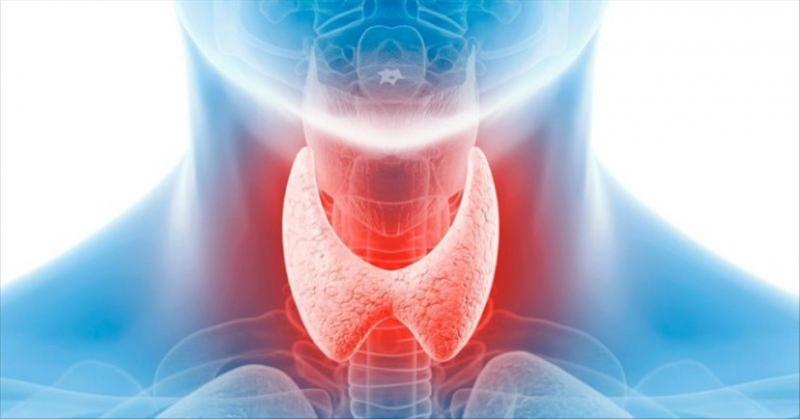
The thyroid gland plays a crucial role in regulating body functions. Situated in the front of the neck, this small gland produces hormones that help control metabolic rate, energy production, body temperature, and the functioning of various organs.
When the thyroid gland fails to produce sufficient hormones, it leads to a condition known as hypothyroidism. This condition can develop gradually, so symptoms may go unnoticed in the early stages, with severity varying depending on hormone deficiency levels and duration.
What is Hypothyroidism?
Hypothyroidism is a disorder where the thyroid gland cannot produce enough of its key hormones, thyroxine (T4) and triiodothyronine (T3).
These hormones regulate how quickly the body uses energy, so a deficiency often results in slowing down vital functions like metabolism, heart activity, and the nervous system.
Hypothyroidism is more common among women and increases with age but can affect any age group.
Symptoms of Hypothyroidism

Symptoms usually appear gradually and can resemble other health issues, requiring lab tests for diagnosis.
Fatigue and Exhaustion
Persistent fatigue is a common symptom, leading to decreased energy and difficulty with daily activities.
Weight Gain
The slowed metabolism due to low thyroid activity can result in weight gain without significant dietary changes.
Sensitivity to Cold
People with hypothyroidism may feel colder than usual due to reduced energy and heat production.
Dry Skin and Hair Loss
Hypothyroidism can affect skin and hair health, leading to dryness and hair thinning or loss.
Slow Heart Rate
Low thyroid hormone levels can slow the heart rate in some individuals.
Mood and Concentration Issues
Hypothyroidism can be associated with lethargy or concentration problems and mood changes.
Constipation
Reduced thyroid activity may slow digestive tract movements, leading to constipation.
Menstrual Disturbances
In women, hypothyroidism can cause menstrual irregularities or increased flow.
Causes of Hypothyroidism

Hashimoto's Disease
Hashimoto's disease is a common cause of hypothyroidism, where an autoimmune reaction attacks thyroid cells, impairing hormone production.
Iodine Deficiency
Iodine is essential for thyroid hormone production. Its deficiency can disrupt thyroid function, though iodine deficiency is less common due to iodized salt use.
Hyperthyroidism Treatment
Treatments for hyperthyroidism, such as radioactive iodine, may lead to reduced thyroid activity.
Certain Medications
Some medications can affect thyroid function; therefore, disclose all medications to a doctor.
Thyroidectomy
Removal of part or all of the thyroid due to specific diseases might necessitate hormone replacement therapy.
See Also:
Does Iodine Deficiency Cause Cancer?