



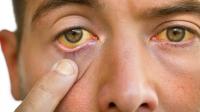
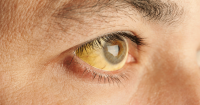
Yellowing of the eyes, commonly known as jaundice, is a health issue that warrants attention. This change in the white part of the eyes to yellow usually indicates an elevated level of bilirubin in the blood, a yellow substance produced from breaking down old red blood cells.
While this yellowing can sometimes be temporary, it often signifies a health concern needing medical evaluation, especially if accompanied by symptoms like abdominal pain, fever, or changes in urine and stool color.
What is Jaundice?
Jaundice refers to the yellow discoloration of the skin and the whites of the eyes due to increased bilirubin levels in the blood. Jaundice can vary in intensity, starting as a mild yellowing in the eyes and extending to the skin if bilirubin levels rise further.
Main Causes of Eye Yellowing
1. Liver Diseases
The liver plays a crucial role in eliminating bilirubin. Thus, any liver dysfunction can lead to eye yellowing. Common liver-related causes include:
Viral Hepatitis
Hepatitis A, B, and C viruses can cause liver inflammation, reducing its ability to eliminate bilirubin and leading to jaundice.
Liver Cirrhosis
Cirrhosis results from chronic liver tissue damage, due to chronic liver diseases, excessive alcohol consumption, or other reasons, and is a significant cause of eye yellowing.
Alcohol-Related Liver Diseases
Excessive long-term alcohol consumption may lead to alcoholic hepatitis or cirrhosis, disrupting liver function and elevating bilirubin levels.
Liver Cancer
Tumors in the liver may obstruct bile flow or impair liver function, causing jaundice.
2. Gallbladder and Bile Duct Diseases
Bile ducts transport bile from the liver to the intestines; any blockage can cause bilirubin accumulation in the blood.
Notable causes include:
Gallstones
Gallstones may move into and block bile ducts, leading to eye and skin yellowing and severe upper-right abdominal pain.
Bile Duct Tumors
Tumors inside or around the bile ducts can block them, preventing normal bile drainage.
3. Blood Disorders
Eye yellowing can result from increased red blood cell breakdown, producing more bilirubin than the liver can eliminate.
Notable conditions include:
Hemolytic Anemia
This condition causes rapid red blood cell destruction, raising bilirubin levels.
Sickle Cell Anemia
A genetic disorder causing frequent red blood cell breakdowns, potentially leading to jaundice.
Malaria
Malaria destroys large numbers of red blood cells, possibly leading to eye yellowing, especially in severe cases.
4. Pancreatic Diseases
Pancreatitis or pancreatic tumors may press on the common bile duct, obstructing bile flow and causing bilirubin accumulation and jaundice.
5. Temporary or Less Common Causes
In some cases, a slight yellow tint in skin or eyes may result from non-severe causes. For example, consuming foods high in beta carotene, like carrots, sweet potatoes, and squash, may slightly change skin color to a yellow-orange hue, but doesn’t usually cause true eye yellowing. Fatigue, lack of sleep, and poor nutrition may make eyes appear dull or tired but are not direct causes of true jaundice.
Symptoms Accompanying Eye Yellowing
Eye yellowing can occur with various other symptoms, depending on the underlying cause. These may include:
- Yellow skin.
- Dark urine.
- Pale stools.
- Upper right abdominal pain.
- Nausea or vomiting.
- Fever.
- Loss of appetite.
- Itchy skin.
- Fatigue.
When to See a Doctor?
Seek medical attention promptly if eye yellowing is noticed, especially if accompanied by:
- Severe abdominal pain.
- High fever.
- Frequent vomiting.
- Unexplained weight loss.
- Confusion.
- Unexpected bleeding or bruising.
- Noticeable changes in urine or stool color.
Jaundice in adults requires medical evaluation, often indicating a problem needing diagnosis and treatment.
How is Eye Yellowing Diagnosed?
Doctors rely on medical history and physical examination, often ordering tests such as:
- Liver function tests.
- Bilirubin level measurement.
- Complete blood count.
- Viral hepatitis tests.
- Ultrasound of liver and gallbladder.
- CT or MRI scans, if necessary.
Can Eye Yellowing be Prevented?
Prevention depends on the cause, but risks can be reduced by:
- Getting recommended hepatitis vaccines.
- Avoiding excessive alcohol consumption.
- Maintaining a balanced diet.
- Treating gallstones when needed.
- Following prevention guidelines when traveling to malaria-prone areas.
- Consulting a doctor for unusual symptoms.
In conclusion, causes of eye yellowing vary from liver diseases to gallbladder disorders, blood issues, and pancreatic problems. Jaundice is a sign that should not be ignored. Although some cases can be mild or temporary, pronounced eye yellowing, particularly with other symptoms, requires a doctor’s evaluation to determine the cause and initiate appropriate treatment, as early diagnosis can prevent complications and improve recovery chances.
Also Read:
When is High Blood Pressure Dangerous?