


The world's least populous countries are a captivating subject for those interested in geography and demography. These independent sovereign nations have populations ranging from just a few hundred to several tens of thousands.
These countries exhibit clear differences in natural and historical circumstances. Geographic space, location, economic factors, and migration play key roles in determining population size. Additionally, some of these countries rely on tourism, financial services, or international aid as primary sources of income, which enables them to thrive despite their limited populations.
Why Are There Countries with Small Populations?
Before listing these nations, it is important to understand why some countries have extremely low populations. Low population size isn't solely linked to limited space; various factors contribute to this phenomenon.
Key reasons include:
- Limited geographic area.
- Geographic isolation, particularly in oceans.
- Limited natural resources.
- Low birth rates.
- Emigration.
- Residency and citizenship policies.
- Historical and political conditions.
Moreover, some countries impose strict limits on granting citizenship or permanent residency, which restricts population growth in the long term.
Top 10 Least Populous Countries in 2026

1. Vatican City
Vatican City tops the list of the world's least populous countries, with a population estimated between 500 and 800. Situated within Rome, it is the smallest independent state globally in terms of both area and population.
The low population is attributed to the nature of the state, with residents limited to the pope, clergy, Swiss Guard, and a small number of employees. In contrast, it welcomes millions of visitors annually due to its religious and historical significance.
2. Nauru
Nauru ranks second with a population around 11,000. This small Pacific nation is the third smallest country in the world by area. Nauru's economy once heavily depended on phosphate mining but now relies on government services and limited economic activities.
3. Tuvalu
Tuvalu's population stands at about 11,500. It comprises nine small atolls in the Pacific and faces significant challenges from climate change and rising sea levels, making it among the most environmentally vulnerable nations.
4. Palau
With approximately 18,000 residents, Palau is located in the western Pacific and consists of hundreds of small islands. It is renowned for its stunning beaches and clear waters, attracting eco-tourism and diving enthusiasts, which are major income sources.
5. San Marino
San Marino has a population of about 34,000 and is one of the world's oldest republics, situated within Italy. It boasts a relatively strong economy based on tourism, services, and light industries, with a high standard of living.
6. Liechtenstein
About 39,000 people live in Liechtenstein, nestled between Switzerland and Austria. The country is known for its advanced financial sector and precision industries, boasting high income levels and low unemployment rates.
7. Monaco
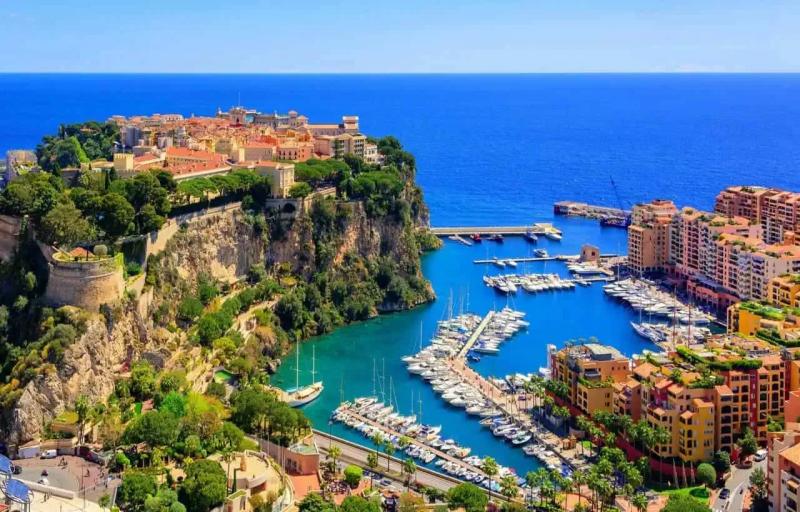
Monaco's population is around 39,000, making it one of the world's most densely populated countries due to its small area. It is famous for being a global hub for luxury business and tourism, hosting renowned events like the Monaco Grand Prix.
8. Saint Kitts and Nevis
This Caribbean nation has about 48,000 inhabitants, relying primarily on tourism and financial services. Its citizenship-by-investment program has bolstered its economy in recent years.
9. Marshall Islands
With a population of around 42,000, the Marshall Islands are located in the Pacific. The nation has close ties with the United States and depends on foreign aid, fishing, and some tourism activities.
10. Dominica
Rounding out the list, Dominica's population nears 66,000. Known for its rainforests and lush landscapes, eco-tourism is a key economic driver, alongside agriculture and investment programs.
Does Low Population Mean a Weak Economy?
Many assume that fewer people equate to a weaker economy, but this is not always the case. Countries like Monaco, Liechtenstein, and San Marino maintain strong economies and high incomes, thanks to financial services, tourism, and foreign investments.
Meanwhile, some small island nations face challenges like limited natural resources, high transportation costs, and the impacts of climate change, making them more reliant on foreign trade or aid.
Difference Between Least Populous and Least Densely Populated Countries
There's often confusion between these terms. Least populous countries have the lowest number of residents regardless of their area. In contrast, least densely populated countries, like Mongolia, Australia, and Namibia, have few people compared to their large territories, despite having millions of residents.
Interesting Facts About the World's Smallest Nations
The world's least populous countries are unique in many ways:
- Some have the highest average incomes per capita globally.
- Several depend heavily on tourism as a primary income source.
- Some lack regular armies.
- Many enjoy low crime rates.
- Most are located on small oceanic islands.
- Some face threats from sea level rise due to climate change.
In conclusion, the list of the world's least populous countries in 2026 reveals significant diversity in the geographical, economic, and political circumstances influencing population sizes. Population numbers alone aren't indicators of national strength or quality of life. Good governance, resource management, economy, and stability are crucial in achieving sustainable development.
See also
Most Film-Producing Countries