


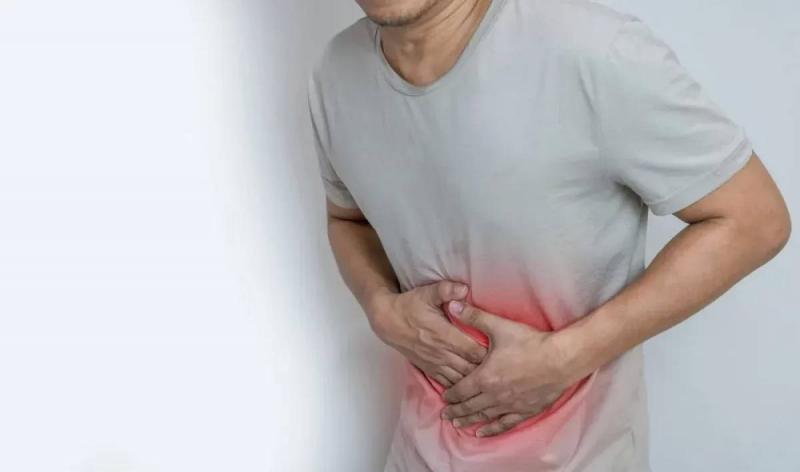
The digestive system is closely linked to the nervous system, making it possible for disorders like irritable bowel syndrome (IBS) to cause symptoms beyond the abdomen, including sensations of bloating or pressure that may extend to other areas like the chest.
IBS does not typically cause direct heart or chest muscle pain. However, it can lead to uncomfortable symptoms that sometimes mimic heart conditions, particularly when gas accumulates or intestinal cramps occur.
Does IBS Cause Chest Pain?
Yes, IBS can lead to feelings of pain or discomfort in the chest area for some individuals. This is not usually due to cardiac issues but rather linked to digestive effects such as bloating, gas, and intestinal cramping.
The pain may feel like pressure, tingling, or tightness in the chest area and may sometimes extend to the upper abdomen or the left side of the body.
How Does IBS Cause Chest Pain?
Gas Buildup
Gas buildup is one of the primary reasons IBS is associated with chest pain.
Accompanying Symptoms
Individuals may experience bloating, fullness in the abdomen, burping, and pain that improves after passing gas or having a bowel movement.
Colon Cramps
Irregular colon contractions in some IBS sufferers can lead to pain that radiates to nearby areas, including the abdomen and chest.
Accompanying symptoms may include abdominal cramps, changes in bowel habits like constipation or diarrhea, and discomfort after eating.
Gastroesophageal Reflux
For some people, IBS coincides with other digestive disorders like acid reflux, causing a burning sensation or chest pain.
Accompanying symptoms include heartburn, a sour taste in the mouth, and increased symptoms when lying down after eating.
Stress and Anxiety
Mental health plays a significant role in IBS, where stress may increase digestive contractions and manifest as physical symptoms like chest pain or discomfort.
Characteristics of Chest Pain Due to IBS
Chest pain related to IBS is often distinguished by:
- Occurring with bloating or gas.
- Changing with body movement or after eating.
- Improving after gas is passed or bowel movement occurs.
- Being intermittent rather than constant.
These characteristics alone are not enough to diagnose the cause; any unusual chest pain should be evaluated.
See Also:
Symptoms of Vitamin D Deficiency in Women