


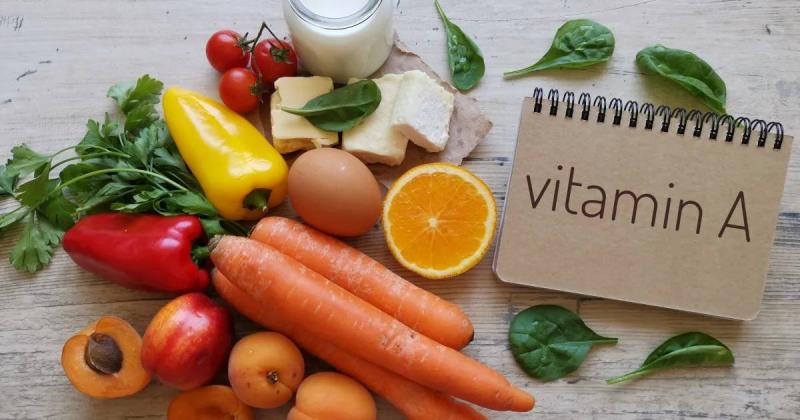
Vitamin A plays a crucial role in maintaining the efficiency of the immune system, but it is not a direct cure for diseases nor does it provide instant immunity. Its significance lies in supporting the natural functions of the immune system and helping the body effectively combat infections.
Research indicates that obtaining the recommended amounts of this vitamin helps maintain healthy mucous membranes and boosts the function of immune cells. Its deficiency may lead to increased susceptibility to certain infections.
How Does Vitamin A Support the Immune System?
Vitamin A is involved in numerous vital functions that assist the body in resisting diseases, making it an essential nutrient for maintaining an accurate immune response.
Supports the Body's First Lines of Defense
Vitamin A helps maintain the integrity of the mucous membranes lining the eyes, respiratory tract, intestines, and urinary tract. These membranes act as a natural barrier preventing bacteria and viruses from entering the body, reducing the likelihood of infections.
Contributes to White Blood Cell Production
The vitamin is vital in the formation and development of white blood cells—cells responsible for identifying and attacking pathogens. Additionally, it helps regulate immune responses, ensuring the immune system operates harmoniously.
Acts as an Antioxidant
Vitamin A and its compounds, especially carotenoids found in plant sources, protect body cells from damage due to free radicals. This aids in preserving the health of immune cells, enhancing their efficiency in performing their functions.
May Reduce Complications from Certain Diseases
Medical studies have shown that providing Vitamin A supplements to children with deficiencies can reduce complications from viral diseases like measles. As a result, many health organizations have adopted specific therapeutic protocols in certain situations.
However, this does not mean Vitamin A supplements benefit everyone. It depends on age, health condition, and the presence of a deficiency.
The Best Natural Sources of Vitamin A

Animal Sources
These foods are rich in Vitamin A in its ready-to-use form easily absorbed by the body, including:
-Liver.
-Kidneys.
-Egg yolk.
-Milk.
-Cheese.
-Butter.
Plant Sources
Colorful vegetables and fruits contain beta-carotene, which the body converts into Vitamin A as needed, such as:
-Carrots.
-Sweet potatoes.
-Pumpkin.
-Spinach.
-Mango.
-Apricot.
Additionally, it is advisable to consume these foods with moderate amounts of healthy fats, as Vitamin A is fat-soluble, aiding its absorption.
Do We All Need Vitamin A Supplements?
Generally, healthy individuals do not need Vitamin A supplements if their nutritional needs are met through diet.
Doctors may recommend supplements in specific cases, such as:
-Confirmed Vitamin A deficiency.
-Certain malabsorption disorders.
-Medical conditions affecting fat absorption.
Conversely, supplements should not be taken randomly or prophylactically without medical advice.

Risks of Excessive Vitamin A Intake
Despite its health benefits, excessive intake of Vitamin A supplements can lead to health issues, as it is stored in the liver and not easily eliminated.
Symptoms of toxicity may include:
-Headache.
-Dizziness.
-Nausea.
-Blurred vision.
-Bone pain.
-Liver disorders in severe cases.
Moreover, pregnant women should avoid high doses of Vitamin A supplements unless prescribed by a doctor, as excess intake can increase the risk of congenital defects in the fetus.
How to Maintain Strong Immunity?
Enhancing immunity is not solely dependent on Vitamin A. The body requires a healthy lifestyle that includes:
-A balanced diet rich in vitamins and minerals.
-Adequate sleep.
-Regular physical activity.
-Sufficient water intake.
-Stress reduction.
-Avoidance of smoking.
Moreover, sufficient intake of other vitamins like C, D, and zinc supports the immune system's functions alongside a balanced diet.
In conclusion, scientific evidence confirms that Vitamin A enhances immunity, but only through its natural role in supporting and maintaining efficient immune system operations, not as a direct treatment for diseases or a quick method to prevent infections.
Obtaining Vitamin A from natural dietary sources remains the best option for most people. Meanwhile, dietary supplements should be used only as needed and under medical supervision to avoid overdose risks.
Also Read