


The topic of the wealthiest Arab nations attracts significant economic interest. However, the concept of wealth varies depending on the criteria used for classification. Some countries lead in terms of GDP per capita, while others are ahead due to the sheer size of their economy and the total value of goods and services they produce annually.
For this reason, economists rely on multiple indicators to evaluate the wealthiest Arab nations. GDP per capita reflects the overall economic wellbeing, while total GDP indicates the economy's size, strength, and impact on regional and global markets.
How Are the Richest Arab Countries Classified?
Global economic reports rely on two main criteria when ranking Arab countries by wealth:
GDP per Capita: This measures the average economic output or income per person and is an important indicator of living standards.
Total GDP: This measures the overall value of goods and services produced by a country's economy within a year, regardless of the population size.
Combining these two indicators provides a more comprehensive picture of economic strength and economic welfare.
Richest Arab Countries by GDP Per Capita

1. Qatar
Qatar tops the list of the richest Arab nations in terms of GDP per capita, with average income per individual exceeding $68,000, according to 2026 estimates.
This performance is due to a robust economy based on liquefied natural gas exports, alongside massive investments in infrastructure, financial, and service sectors, making Qatar one of the highest-income countries globally.
2. United Arab Emirates
The UAE ranks second among Arab countries by per capita income, benefiting from a diversified economy that doesn’t rely solely on oil but includes trade, tourism, financial services, real estate, and technology. Additionally, its economic diversification policies have boosted growth, achieving high income levels.
3. Kuwait
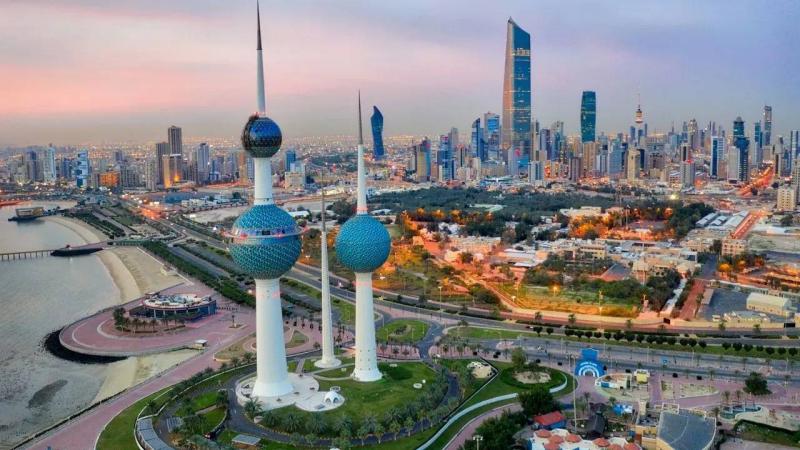
Kuwait comes third, supported by vast oil reserves and a substantial sovereign wealth fund, along with high average citizen income compared to many Arab nations. Kuwait's economy continues to benefit from energy revenues while gradually expanding its economic diversification plans.
4. Bahrain
Bahrain ranks fourth, with an economy dependent on financial services, industry, tourism, and the oil sector. Moreover, the country has successfully established a regional financial hub that has supported high income levels and economic activity.
5. Saudi Arabia
Saudi Arabia ranks fifth in terms of GDP per capita, supported by the largest Arab economy and economic transformation programs under Vision 2030, aiming to diversify income sources and boost the non-oil sector's contribution.
Largest Arab Economies by Total GDP

1. Saudi Arabia
Saudi Arabia leads the list of the largest Arab economies, with an economic size estimated at around $1.32 trillion in 2026.
The Saudi economy relies on the energy sector alongside rapid growth in the industrial, tourism, service, and technology sectors, enhancing its status as the largest economy in the region.
2. United Arab Emirates
The UAE comes second with a total GDP estimated at approximately $601.2 billion. The UAE economy is highly diversified, with strong contributions from trade, aviation, financial services, tourism, and renewable energy sectors.
3. Egypt
Egypt ranks third with an economic size of about $399.5 billion. The Egyptian economy relies on a broad productive base including industry, agriculture, services, the Suez Canal, and tourism, supplemented by a large domestic market supporting economic activities.
4. Algeria
Algeria ranks fourth with a total GDP reaching $285 billion, mainly depending on oil and gas exports while aiming to increase investment in industry, agriculture, and renewable energy sectors.
5. Iraq
Iraq ranks fifth, with an economic size estimated at about $273.9 billion, heavily reliant on the oil sector, while the government seeks to diversify the economy, improve infrastructure, and increase investments in productive sectors.
Why Do Rankings Differ Between the Two Indicators?
A country might top the GDP per capita list but not have the largest economy, and vice versa. This is because countries with a limited population like Qatar and Kuwait can achieve a high average income due to GDP being distributed among fewer people.
Conversely, countries like Saudi Arabia and Egypt possess massive economies due to large total production, though large populations lead to lower per capita income compared to smaller nations.
Additionally, factors like energy prices, industrial production, foreign investments, and economic reforms impact country rankings according to each indicator.
Main Factors Defining the Wealth of Arab Countries
The power of Arab economies depends on several determinants, including:
-Natural resources, especially oil and gas.
-Income diversity.
-Volume of local and foreign investments.
-Infrastructure development.
-Economic stability.
-Efficiency of financial policies.
-Growth of non-oil sectors.
-Innovation and digital transformation.
Furthermore, economic diversification plans have become crucial for fostering sustainable growth and reducing dependence on oil revenues.
In conclusion, the list of the richest Arab countries in 2026 reveals that economic wealth cannot be measured using a single indicator but relies on both the overall economic size and per capita income. With ongoing economic reform programs in the region, further growth and competition in Arab economies are expected in the coming years.
See also
The World's Richest Countries