


Many patients with hypertension wonder when their high blood pressure becomes dangerous. This condition, which often has no clear symptoms in its early stages, can lead to severe complications affecting the heart, brain, kidneys, and blood vessels if left untreated.
In certain scenarios, blood pressure can rise to critically high levels, causing rapid organ damage and necessitating immediate hospital care. Understanding dangerous readings and associated symptoms can facilitate timely intervention, preventing life-threatening complications.
What is Considered Normal Blood Pressure?
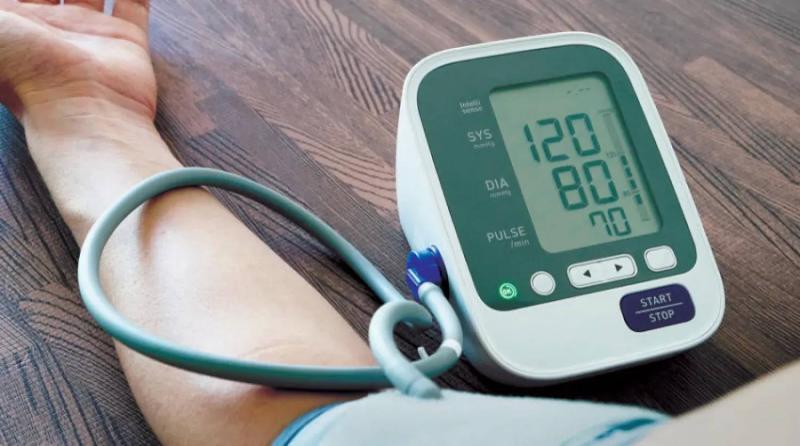
Blood pressure measures the force of blood against the walls of arteries and is recorded as two numbers:
Systolic Pressure: The top number, measuring pressure during heartbeats.
Diastolic Pressure: The bottom number, measuring pressure when the heart rests between beats.
Generally, blood pressure below 120/80 mm Hg is considered normal for most adults. A sustained reading above 140/90 mm Hg requires medical evaluation and treatment based on individual health conditions and risk factors.
When Does High Blood Pressure Become a Medical Emergency?
High blood pressure becomes dangerous when it reaches extremely high levels or results in symptoms indicating damage to vital organs.
Additionally, chronic uncontrolled hypertension can be hazardous even without symptoms, as it causes gradual damage to arteries and organ systems.
Types of Dangerous Hypertension
1. Hypertensive Emergency
This is the most severe form of high blood pressure, occurring when readings exceed 180/120 mm Hg with signs of acute organ damage such as to the heart, brain, kidneys, or eyes. Key symptoms necessitating immediate emergency care include:
- Severe or crushing chest pain.
- Extreme shortness of breath.
- Sudden, intense headache.
- Weakness or numbness on one side of the body.
- Difficulty speaking or understanding speech.
- Sudden vision changes or loss.
- Nausea or vomiting with markedly high pressure.
- Loss of consciousness or seizures.
In such cases, treating high blood pressure at home is inadvisable; it must be managed in a hospital under medical supervision to prevent severe complications.
2. Hypertensive Urgency
In this scenario, blood pressure is very high, often exceeding 180/110 mm Hg, but without signs of immediate organ damage.
While this situation often does not require intensive care, it does necessitate prompt medical review to adjust treatment and gradually bring blood pressure down safely.
3. Chronic Hypertension (The Silent Killer)
Many individuals remain symptomless despite high blood pressure over several years. However, prolonged hypertension, especially above 140/90 mm Hg, without treatment can cause gradual damage to blood vessels, increasing the risk of severe complications, such as:
- Heart attacks.
- Strokes.
- Kidney failure.
- Heart muscle weakness.
- Vision loss due to eye blood vessel damage.
Hence, hypertension is often termed the "silent killer."
Does High Blood Pressure Always Cause Symptoms?
The answer is no. In many cases, symptoms do not appear even with elevated readings. Moreover, people may mistakenly attribute headaches or dizziness to high blood pressure, although these symptoms are not universal. Regular blood pressure monitoring is the best method to detect this condition.
Factors Increasing Hypertension Risk
Several factors can heighten the risk of developing hypertension, including:
- Aging.
- Obesity and overweight.
- Physical inactivity.
- High salt consumption.
- Smoking.
- Excessive alcohol intake.
- Diabetes.
- High cholesterol.
- Family history of hypertension.
How to Prevent Hypertension Complications?
Mitigating the risk of complications involves adherence to healthy habits, such as:
- Regular blood pressure monitoring.
- Consistent medication adherence under medical guidance.
- Reducing salt and processed food intake.
- Consuming more vegetables, fruits, and whole grains.
- Engaging in at least 150 minutes of physical activity weekly.
- Maintaining a healthy weight.
- Quitting smoking.
- Reducing stress and ensuring adequate sleep.
When to Seek Emergency Care?
Immediate medical assistance should be sought if blood pressure reaches 180/120 mm Hg or higher and is accompanied by any of the following symptoms:
- Severe chest pain.
- Breathing difficulty.
- Sudden weakness or numbness in the face, arm, or leg.
- Difficulty speaking.
- Sudden vision disturbances.
- Unusual severe headache.
- Loss of consciousness or seizures.
If the reading is significantly elevated without symptoms, it's essential to recheck after resting and then consult a doctor promptly for assessment.
In conclusion, the risks associated with high blood pressure depend on its level and the presence of symptoms or complications. Regular monitoring, adherence to treatment, and maintaining a healthy lifestyle are the best ways to avoid complications from this condition.
See Also
Early Symptoms of Hypertension