



Back pain is among the most widespread types of pain affecting various age groups. Many individuals suffer from it due to lifestyle factors, work nature, or aging. The pain can occur in the lower, middle, or upper regions of the back and can be either temporary or chronic, lasting for extended periods.
The causes of back pain range from simple factors like muscle strain and sudden movements to more complex issues like vertebral and nerve problems. Understanding the root cause of the pain helps in selecting the appropriate treatment and preventing future occurrences.
What Are the Causes of Back Pain?
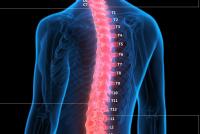
1- Muscle Strain and Fatigue
Muscle strain is one of the most common causes of back pain, often resulting from:
- Incorrect heavy lifting.
- Sudden movements.
- Improper exercise techniques.
- Excessive physical exertion.
Muscle tension leads to pain and stiffness in the back area, which usually improves with rest and proper care.
2- Prolonged Sitting and Poor Posture
Long periods spent sitting in front of a computer or phone are now major back pain causes. Maintaining unhealthy postures for extended times applies pressure on spinal muscles.
- Slouching while sitting.
- Lack of lower back support.
- Reduced daily movement.
- Sitting for hours without breaks.
3- Vertebrae and Cartilage Issues
Back pain may arise from spine issues, such as:
Herniated Disc: Occurs when a spinal disc moves from its place, potentially compressing nerves and causing leg pain.
Cartilage Deterioration: With aging, cartilage can degrade, leading to vertebral friction and pain.
4- Sciatica and Nerve Compression
Sciatica is due to irritation or pressure on the sciatic nerve. Those affected often feel pain starting in the lower back, extending to the buttocks and leg.
- Sharp or burning pain.
- Numbness or tingling in the foot.
- Occasional leg muscle weakness.
5- Weak Abdominal and Back Muscles
Core muscles play a crucial role in spinal support. When weak, they increase pressure on vertebrae, potentially leading to pain. Strengthening exercises improve back support and reduce injury risks.
6- Obesity
Excess weight heightens back pain risks by increasing spinal and joint pressure. Abdominal fat may alter posture, increasing lower back bending.
7- Pregnancy and Hormonal Changes
Many women suffer back pain during pregnancy due to:
- Child weight gain.
- Body balance center changes.
- Relaxed ligaments from hormones.
- Increased back muscle pressure.
Pain often heightens in later pregnancy stages.
8- Osteoporosis
Osteoporosis weakens vertebral bones, making them prone to fractures or compression, causing persistent back pain, especially in seniors.
9- Stress and Psychological Pressure
Back pain isn't solely physical. Continuous stress and anxiety may lead to:
- Back muscle tension.
- Increased pain sensitivity.
- Worsening chronic pain.
10- Other Conditions Causing Back Pain
Back pain might relate to other health issues, such as:
- Kidney infection or stones.
- Arthritis.
- Chronic infections or conditions.
- Rare spinal conditions.
When to See a Doctor for Back Pain?
Consult a doctor if experiencing:
- Severe pain not improving with rest.
- Pain lasting more than a few weeks.
- Weakness or numbness in limbs.
- Loss of bladder or bowel control.
- Pain after a fall or significant injury.
- Fever or unexplained weight loss.
Preventing Back Pain
Mitigate back pain risk by adopting healthy habits, such as:
- Maintaining proper sitting posture.
- Engaging in muscle-strengthening exercises.
- Avoiding incorrect heavy lifting.
- Maintaining a healthy weight.
- Using appropriate mattresses for sleeping.
- Staying active and avoiding prolonged sitting.
In conclusion, back pain causes range from daily simple factors to health issues requiring medical attention. Identifying the true pain cause aids in selecting appropriate treatments and reducing recurrence. Emphasizing a healthy lifestyle, muscle strength, and posture improvement are key methods for maintaining back health.
Also, watch: