


The confrontation between the United States and Iran has reached a new level of escalation with military strikes exchanged and conflicting statements regarding the navigation in the Strait of Hormuz. This has sparked warnings about the potential widening of the conflict and its impact on global energy security.
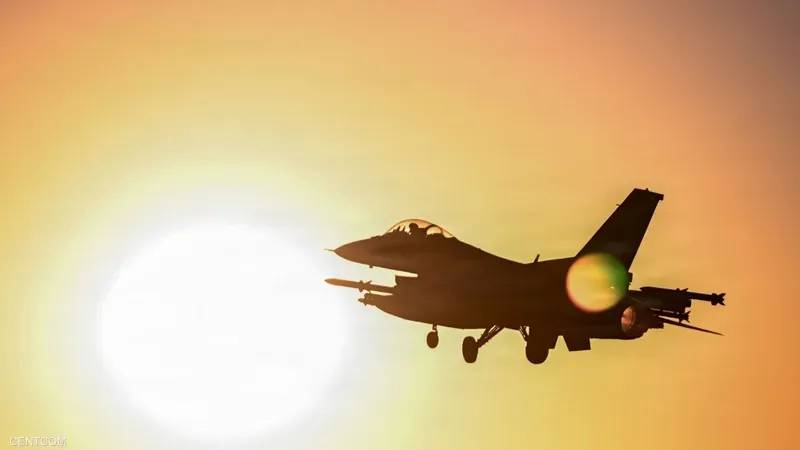
The U.S. Central Command (CENTCOM) announced a new wave of strikes against targets within Iran, stating that the operations aim to undermine Tehran's ability to attack commercial ships in the Strait of Hormuz, and that they were carried out at the direction of President Donald Trump to "hold Iranian forces accountable."
Conversely, Iranian state media reported one death and four injuries as a result of U.S. strikes on Khuzestan province in the southwest of the country. Reports also surfaced of explosions being heard in Bandar Abbas, Qeshm Island, Jask, Bushehr, and other areas around the Strait of Hormuz.
Coinciding with these events, the Iranian Revolutionary Guard announced the closure of the Strait of Hormuz "until further notice" following the targeting of two commercial ships, which it claimed violated crossing instructions. Meanwhile, the United States asserted that the strait remains open and its naval forces continue to safeguard international navigation.
The U.S. military stated that Revolutionary Guard forces fired at commercial ships during their transit through the strait, mentioning that American aircraft intercepted and downed an Iranian cruise missile and drone during the attack, with no injuries or damage to the ships reported.
Amid the escalation, 'Axios' quoted a U.S. official affirming Washington's commitment to a diplomatic solution, with technical talks with Iran ongoing, despite the Trump administration labeling the attacks on commercial ships as "terrorist acts" and a breach of the memorandum of understanding between the two countries.
On the other hand, Iran's Foreign Ministry accused the United States of undermining the diplomatic path, claiming that U.S. strikes have thwarted all efforts made in recent months to de-escalate tensions and held Washington responsible for endangering international navigation in the Strait of Hormuz.
The price of oil, which had plummeted sharply since the announcement of the memorandum of understanding, surged by more than 3.5% at the start of futures trading on Monday in Tokyo, with West Texas Intermediate crude surpassing $74 a barrel.