


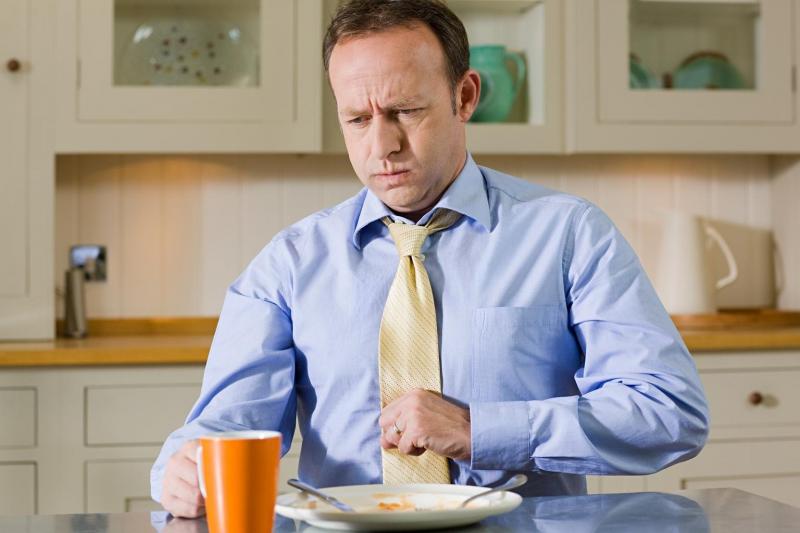
Stomach pain after eating is one of the most common health complaints. Initially perceived as a simple discomfort, it can indicate anything from temporary digestive disturbances to chronic gastrointestinal diseases. Many experience discomfort, bloating, or heartburn immediately after meals, yet the true cause often remains unknown.
In some cases, the culprit lies in bad daily habits, such as eating quickly, overindulging in fatty and spicy foods, or excessively consuming carbonated drinks and caffeine. These behaviors increase pressure on the stomach and acid secretion, leading to pain and discomfort post-meals.
However, in other scenarios, the pain signals more serious health concerns. Understanding the causes of stomach pain after eating not only aids in pain relief but also helps prevent potential long-term health complications and improves overall quality of life.
Causes of Stomach Pain After Eating
Firstly: Dietary Habits and Food Types
Poor dietary habits are the most common cause of stomach pain, including:
Indigestion: Occurs from eating large meals or eating too quickly without proper chewing.
Fatty and Spicy Foods: Increase gastric acid secretion and irritate the stomach.
Food Intolerances: Such as lactose intolerance or gluten sensitivity (celiac disease).
Irritating Beverages: Like coffee, sodas, and alcohol.
Secondly: Gastrointestinal Health Issues
In some cases, pain is linked to internal medical problems, such as:
Gastroesophageal Reflux Disease (GERD): Stomach acid reflux into the esophagus causes burning and pain in the upper abdomen.
Stomach Ulcers: Erosion in the stomach lining worsens after eating.
Gastritis: Inflammation of the stomach lining causes pain and discomfort post-meals.
Gallstones: Cause severe pain in the upper right abdomen, especially after fatty foods.
Irritable Bowel Syndrome (IBS): Leads to bloating, cramps, and pain after eating.
When to See a Doctor?
Seek medical advice immediately if any of the following symptoms occur:
Severe, unbearable sudden pain.
Persistent vomiting or blood in vomit.
Black stools or blood in stools.
Unexplained weight loss.
Continuous high fever.
Tips to Ease Stomach Pain After Eating
Eat slowly and chew your food properly.
Avoid fatty and spicy foods when possible.
Cut down on carbonated drinks and caffeine.
Opt for smaller meals instead of large meals.
Drink moderate amounts of water during mealtime.
In conclusion, stomach pain after eating isn't always serious, but it can indicate digestive disorders or unhealthy eating patterns. Understanding the real cause of the pain helps treat it correctly and prevent recurrence. It's important to monitor symptoms and be vigilant for any abnormal signs that warrant a doctor's visit.
Also Read:
What is the Quickest Relief for IBS? Immediate Pain Relief MethodsHerbal Cholesterol TreatmentWhat Happens to Your Body When You Stop Eating Bread