


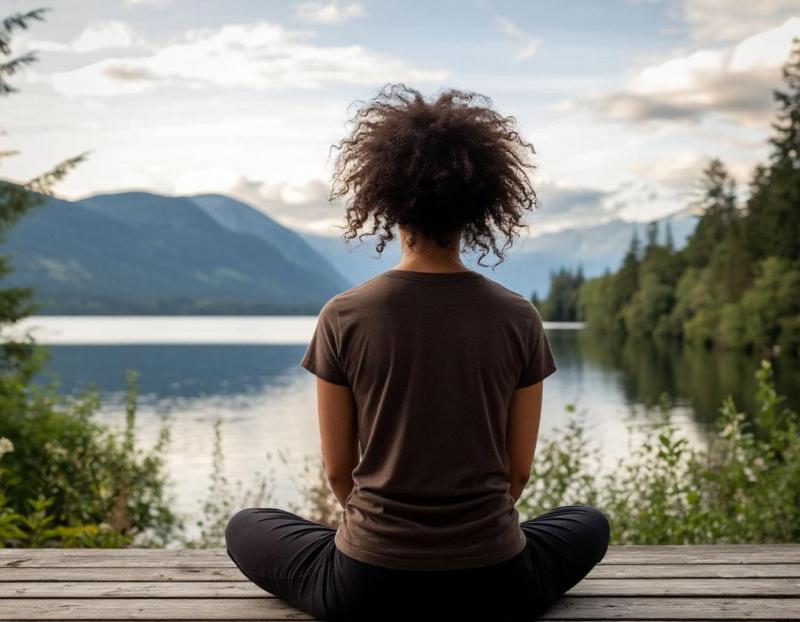
Anxiety is a normal response to stress or difficult situations. However, it can become problematic if it persists or becomes severe, affecting everyday life. Anxiety can impact mental and physical health, causing sleep disturbances, difficulty concentrating, and physical symptoms like increased heart rate or muscle tension.
Fortunately, there are various ways to alleviate anxiety, from making daily changes to seeking professional help when necessary.
Best Ways to Manage Stress and Regain Calmness
Practice Deep Breathing Exercises
Slow and deep breathing helps calm the nervous system and reduce stress. Inhale slowly through your nose, hold your breath for a few seconds, then exhale slowly through your mouth. Repeat this process several times.
Engage in Regular Physical Activity
Exercising improves mood and reduces stress hormones. It also promotes the release of endorphins, natural chemicals that provide a sense of comfort and relaxation.
Ensure Adequate Sleep
Lack of sleep can increase feelings of anxiety. Aim for 7 to 9 hours of sleep daily, with consistent sleep and wake-up times.
Reduce Caffeine and Stimulant Intake
Excessive coffee or energy drink consumption can increase heart rate and anxiety. Monitor your intake if it exacerbates your anxiety.
Adopt a Balanced Diet
Consuming healthy meals rich in vegetables, fruits, whole grains, and proteins supports brain functions and stabilizes energy levels.
Organize Your Thoughts
Try writing down worrisome thoughts. Question their realism and explore possible solutions to help reduce overthinking and view issues more balancedly.
Practice Relaxation Techniques
Techniques like meditation, mindfulness exercises, and progressive muscle relaxation can calm the mind and reduce stress.
Make Time for Hobbies
Engaging in activities you enjoy, such as reading, drawing, gardening, or listening to music, can alleviate daily pressures and improve mood.
Talk to Someone You Trust
Talking with a family member or close friend can ease your anxiety and offer different perspectives on the situation.
Reduce Social Media Usage
Continuous exposure to negative news or comparisons on social media can increase anxiety. Manage your time on these platforms.
When Is Anxiety in Need of Treatment?
Consult a professional if:
- Anxiety persists for several months.
- It affects work, studies, or relationships.
- It causes frequent panic attacks.
- It results in severe sleep disturbances.
- It accompanies depression or self-harm thoughts.
Can Anxiety Be Treated?
Yes, anxiety can be managed with the right treatment, which may include psychotherapy, such as cognitive behavioral therapy, or medications prescribed by a doctor, alongside maintaining a healthy lifestyle.
Daily Tips to Reduce Anxiety
- Exercise regularly.
- Get enough sleep.
- Eat a healthy diet.
- Practice breathing and relaxation exercises.
- Organize your time and avoid task accumulation.
- Make time for rest and hobbies.
- Maintain communication with family and friends.
- Seek help if anxiety intensifies.
In conclusion, while anxiety can be a normal part of life, it should not dominate your day or affect your health and quality of life. Healthy habits, relaxation techniques, and thought organization can significantly alleviate anxiety, with professional help being a crucial step if symptoms become persistent or severe.
Related Articles