


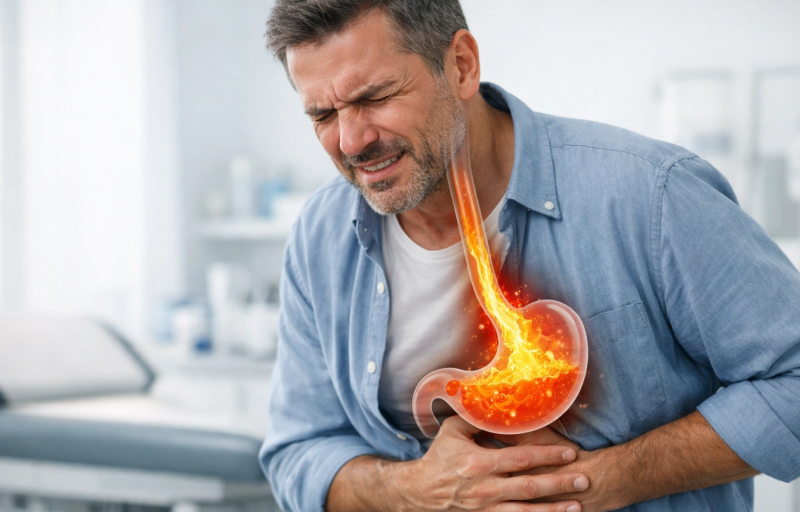
Acid reflux is one of the most common disorders of the digestive system. It occurs when stomach acid frequently flows back into the esophagus, leading to uncomfortable symptoms that can affect daily activities, sleep, and overall quality of life. Some individuals experience these symptoms intermittently, while for others, the condition becomes chronic.
Ignoring the issue over time can result in esophageal inflammation or other complications, making it crucial to understand the symptoms, causes, and appropriate treatment methods.
What is Acid Reflux?
Acid reflux occurs when the muscle between the stomach and esophagus weakens or relaxes inappropriately, allowing stomach acid to flow back into the esophagus.
This muscle is naturally designed to prevent food and acids from moving upwards, and when it doesn’t function efficiently, symptoms begin to appear.
Symptoms of Acid Reflux
Heartburn
Heartburn or a burning sensation behind the breastbone is one of the most common symptoms, often worsening after meals or when lying down.
Acidic or Bitter Taste in the Mouth
Some people experience the sensation of acid or partially digested food reaching the throat or mouth.
Difficulty Swallowing
The acid-induced inflammation can cause discomfort or difficulty during swallowing.
Chronic Cough
In some cases, acid reflux irritates the throat and airways, leading to persistent coughing.
Hoarseness
Voice changes, particularly noticeable upon waking, can occur.
Sensation of a Lump in the Throat
Some individuals feel as if something is stuck in their throat despite no actual obstruction.
Causes of Acid Reflux
Obesity and Excess Weight
Excess weight increases stomach pressure, making acid reflux more likely.
Large Meals
Overeating causes stomach expansion, increasing the likelihood of reflux.
Trigger Foods and Drinks
Certain foods may exacerbate symptoms for some individuals, such as:
- Fatty and fried foods
- Spicy foods
- Chocolate
- Mint
- Carbonated drinks
- Large quantities of coffee
Lying Down After Eating
Reclining immediately after meals facilitates acid return to the esophagus.
Smoking
Smoking may weaken the muscle separating the stomach and esophagus, worsening the problem.
Pregnancy
Hormonal changes and increased abdominal pressure raise the likelihood of reflux during pregnancy.
Treatment for Acid Reflux
Changing daily habits is a key treatment step, including:
- Eating smaller, more frequent meals
- Avoiding lying down for 2-3 hours post-meal
- Elevating the head during sleep
- Maintaining a healthy weight
- Quitting smoking
Medications
Doctors may prescribe medications to reduce stomach acid production or alleviate symptoms, especially in frequent or severe cases.
Surgery
In rare cases where medication doesn’t help or complications arise, surgical intervention may be advised.
When to See a Doctor?
Consult a doctor if:
- Symptoms occur more than twice a week
- There is notable swallowing difficulty
- Unexplained weight loss occurs
- Repeated vomiting or vomiting blood happen
- Severe chest pain arises, needing ruling out of heart issues
How to Prevent Acid Reflux?
Maintaining a healthy lifestyle can reduce the risk or recurrence of symptoms by keeping a suitable weight, avoiding trigger foods, and consistent meal scheduling.
Additionally, regular physical activity and avoiding eating close to bedtime can significantly aid in managing the condition.
See Also:
Is Drinking Water During Meals Harmful?