



Many people experience varying degrees of pain in the chest area. This discomfort may manifest as pressure, tingling, burning, or tightness, and it can be either temporary or persistent. The cause of chest pain depends on its nature, location, and accompanying symptoms, as well as the individual's medical history.
Although most cases of chest pain are not linked to severe conditions, ignoring severe or sudden pain can be dangerous, especially when accompanied by signs suggesting heart or lung issues.
Causes of Chest Pain
Cardiovascular Diseases
Heart issues are crucial considerations when chest pain occurs, particularly if the pain is intense or comes with other symptoms.
Pain may arise from reduced blood and oxygen flow to the heart muscle, as seen in angina, or due to a blocked coronary artery leading to a heart attack.
Heart-related pain is often described as pressure, heaviness, or constriction in the center of the chest, potentially radiating to the arm, shoulder, neck, or jaw.
Angina
Angina occurs when the heart muscle doesn't receive enough blood. The pain may surface during exertion or stress but improves with rest.
Angina is not a trivial condition, as it could indicate coronary artery narrowing and necessitates medical evaluation.
Heart Attack
A heart attack, an emergency condition, can cause severe chest pain that often feels like pressure, squeezing, or fullness in the chest area.
Associated symptoms may include:
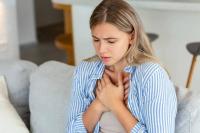
- Shortness of breath.
- Severe sweating.
- Nausea.
- Dizziness.
- Pain spreading to the arm, jaw, or back.
Immediate medical aid is required if these signs appear.
Digestive System-Related Chest Pain
Acid Reflux and Heartburn
Acid reflux, a common cause of chest pain or burning sensation, arises when stomach acids back up into the esophagus.
The pain may worsen after eating or when lying down, and might include an acidic taste in the mouth or difficulty swallowing.
Gas and Bloating
Accumulated gas in the digestive system can create pressure or pain in the chest area, sometimes mistaken for heart pain.
This pain often eases after releasing the gas or changing posture.
Gastritis or Ulcers
Some stomach disorders can cause pain extending to the upper abdomen and chest, especially with irritation in the stomach lining.
Musculoskeletal Causes of Chest Pain
Muscle Strain
Chest muscle strain, often resulting from exercise, weightlifting, or sudden movements, can cause pain.
This pain typically increases when pressing on the affected area or moving the body.
Costochondritis
Inflammation of the cartilage connecting the ribs to the sternum can mimic heart pain.
The pain is usually evident when touching the area or taking deep breaths.
Rib Cage Injuries
Injuries from accidents or falls can lead to chest pain lasting until the tissue heals.
Respiratory Causes of Chest Pain

Pneumonia
Pneumonia can cause chest pain, worsening with deep breaths or coughing, often accompanied by fever and general fatigue.
Pleuritis
Inflammation of the membranes around the lungs can induce sharp pain that worsens with breathing or movement.
Pulmonary Embolism
A life-threatening condition, a pulmonary embolism occurs when a blood clot lodges in a lung artery, leading to:
- Sudden chest pain.
- Severe shortness of breath.
- Rapid heartbeat.
- Dizziness.
This condition requires urgent medical attention.
Other Causes of Chest Pain
Anxiety and Stress
Severe anxiety and panic attacks can create chest pain or tightness, shortness of breath, or rapid heartbeat.
Though psychological, these symptoms can mimic heart disease signs.
Nerve Issues
Nerve disorders may cause chest pain or tingling, particularly with nerve irritation or compression.
Shingles
Shingles may begin with pain or burning in a specific chest area before the rash emerges.
How to Recognize Heart-Related Chest Pain
Chest pain might be more concerning if it:
- Appears as pressure or heaviness in the chest center.
- Spreads to the arm, jaw, or back.
- Occurs with shortness of breath, sweating, or nausea.
- Arises during exertion and improves with rest.
See also:
What are the Symptoms of a Heart Attack?